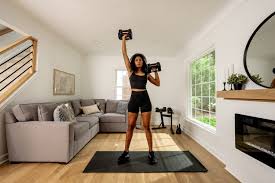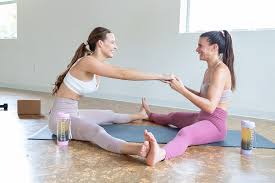
15 Minute Home Workout
This guide focuses on quick, effective 15-minute home workouts. These routines are designed to fit into any busy schedule. They help boost your energy and improve your overall fitness without needing a gym. You’ll learn simple exercises and how to make them work for you.
What is a 15-Minute Home Workout?
A 15-minute home workout is a set of exercises you do in your house. It lasts about a quarter of an hour. The goal is to get your body moving.
You want to raise your heart rate a bit. It helps you feel better. These workouts are short.
They fit easily into your day.
You don’t need fancy equipment. Many workouts use just your body weight. Some might need a simple item like a chair or a yoga mat.
The main idea is to be efficient. Every minute counts. You get a good sweat going.
You work different muscles.
Why are 15-Minute Workouts So Great?
These short workouts offer big benefits. They are perfect for busy people. You can do them first thing in the morning.
You can squeeze them in during a lunch break. Or you can do them before bed. They make exercise feel less like a chore.
They feel more like a quick boost.
Research shows that even short bursts of activity help your health. You can improve your heart health. You can build stronger muscles.
You can lift your mood. You burn calories too. It’s a great way to stay active without a huge time commitment.
It’s all about consistency.
My Own 15-Minute Workout Journey
I remember a time when my schedule was completely insane. I was working long hours. I had a young child at home.
Finding an hour for the gym felt like a fantasy. I started feeling sluggish and stressed. My clothes felt tighter.
I knew I needed to do something.
One evening, totally exhausted, I scrolled through workout videos. Most were 30 or 45 minutes. Then I saw one titled “15-Minute Full Body Blast.” I thought, “Can I really get a workout done in that little time?” I decided to try it.
I put on some music. I cleared a small space in my living room. It was just me, my mat, and the timer.
The first few minutes were tough. My body was stiff. My breathing got heavy quickly.
But then, something amazing happened. I started to feel a surge of energy. The quick pace kept me focused.
I moved from one exercise to the next without much rest. When the timer hit 15 minutes, I was drenched in sweat. I felt tired, but in a good way.
I felt accomplished. That day, I realized that 15 minutes could make a real difference. It changed how I thought about exercise.
Quick Wins: Benefits of Short Bursts
Energy Boost: A quick workout can wake you up. It gets your blood flowing.
Stress Relief: Moving your body helps clear your mind. It reduces tension.
Mood Improvement: Exercise releases endorphins. These make you feel happy.
Calorie Burn: You still burn calories. It adds up over time.
Consistency: It’s easier to stick with. Short workouts are less daunting.
Getting Started: What You Need
The best part about 15-minute home workouts is that you need very little. You can start right now. Most exercises use your own body weight.
This means your own body is the equipment.
However, a few things can make it better. A comfortable, non-slip surface is good. A yoga mat is perfect for this.
It protects your knees and hands. Good, supportive shoes are important, especially for jumping or high-impact moves. Also, wear comfortable clothing that lets you move freely.
Some workouts might use simple items. A sturdy chair can be used for support. Water bottles can act as light weights.
Resistance bands are small and portable. They add an extra challenge. But again, you can start with absolutely nothing but yourself and some space.
Equipment Check: Is it Necessary?
- Yoga Mat: Nice to have for comfort and grip. Not essential.
- Comfortable Clothes: Essential for free movement.
- Supportive Shoes: Important for higher intensity.
- Water Bottle: For hydration.
- Optional: Resistance bands, light weights, sturdy chair.
Crafting Your 15-Minute Workout Routine
Creating a balanced 15-minute workout is key. You want to work different parts of your body. A good routine usually includes a warm-up, the main workout, and a cool-down.
Even for 15 minutes, this structure helps.
The warm-up gets your body ready. It increases blood flow to your muscles. This helps prevent injury.
You can do light movements for 1-2 minutes. Think arm circles, leg swings, and gentle twists.
The main part of the workout is where you do your exercises. You can focus on one area, like your legs. Or you can do a full-body circuit.
A circuit means doing several exercises one after another with little rest. This keeps your heart rate up.
The cool-down helps your body recover. You can do some light stretching. This helps your muscles relax.
It brings your heart rate back down. This part usually takes 1-2 minutes.
Sample 15-Minute Full-Body Workout
Here’s a sample routine. It hits major muscle groups. You can do this with no equipment.
Remember to listen to your body. Adjust as needed.
Warm-up (2 minutes):
- Arm circles (forward and backward) – 30 seconds each way.
- Leg swings (forward and backward, side to side) – 30 seconds per leg.
- Torso twists – 30 seconds.
Main Workout (11 minutes): Perform each exercise for 45 seconds. Rest for 15 seconds between exercises. Complete 2 rounds.
- Squats: Stand with feet shoulder-width apart. Lower your hips as if sitting in a chair. Keep your chest up and back straight.
- Push-ups: You can do these on your knees or toes. Lower your chest towards the floor. Keep your body in a straight line.
- Jumping Jacks: A classic cardio move. Jump your feet wide and raise your arms overhead. Then jump back to the start.
- Lunges: Step forward with one leg. Lower your hips until both knees are bent at about 90 degrees. Push off your front foot to return to start. Alternate legs.
- Plank: Hold your body in a straight line from head to heels. Rest on your forearms and toes. Engage your core.
- High Knees: Run in place, bringing your knees up towards your chest. Pump your arms.
Cool-down (2 minutes):
- Quad stretch – 30 seconds per leg.
- Hamstring stretch – 30 seconds per leg.
- Triceps stretch – 30 seconds per arm.
- Deep breaths.
Exercise Swaps for Variety
- Instead of Squats: Glute bridges, wall sits.
- Instead of Push-ups: Incline push-ups (hands on a table or chair), shoulder taps.
- Instead of Lunges: Step-ups onto a low sturdy object, curtsy lunges.
- Instead of Plank: Bird-dog, dead bug.
- Instead of Jumping Jacks: Butt kicks, side shuffles.
- Instead of High Knees: Mountain climbers, burpees (modified).
Focusing on Cardio in 15 Minutes
If your goal is to get your heart pumping and burn calories quickly, a 15-minute cardio workout is perfect. You can use high-intensity interval training (HIIT). HIIT involves short bursts of very intense exercise.
These are followed by brief recovery periods.
For example, you could do 30 seconds of burpees followed by 15 seconds of rest. Then move to 30 seconds of fast jumping jacks, then rest. You repeat this pattern.
It’s very effective for burning calories in a short time.
You can also do steady-state cardio. This means keeping your heart rate elevated for the whole 15 minutes. Think jogging in place, dancing to music, or using a jump rope if you have one.
The key is to keep moving consistently.
Cardio Moves for Quick Workouts
Tabata Style (20 seconds work, 10 seconds rest):
- Jumping Jacks
- High Knees
- Butt Kicks
- Mountain Climbers
- Burpees
- Jump Squats
Building Strength with 15-Minute Sessions
You might think you need long workouts for strength. But even 15 minutes can help build muscle. The trick is to focus on compound movements.
These exercises work multiple muscle groups at once.
Exercises like squats, lunges, push-ups, and rows (if you have bands or weights) are excellent. You can do them in a circuit. Perform each exercise for a set number of repetitions or for time.
Then move to the next. Try to increase the challenge over time.
This could mean doing more reps. It could mean holding a plank longer. Or it could mean slowing down the movement to make it harder.
This is often called “time under tension.” It helps build strength and endurance.
Strength Circuit Example (15 Min)
Warm-up: 2 minutes (light jogging in place, arm circles)
Circuit (3 Rounds): Perform each for 40 seconds, rest 20 seconds between exercises.
- Squats
- Push-ups (on knees or toes)
- Walking Lunges (or stationary lunges)
- Plank
- Glute Bridges
Cool-down: 1 minute (gentle stretching)
Flexibility and Mobility in Short Workouts
While a 15-minute workout might not feel like a full yoga session, you can still include flexibility and mobility. These are super important for preventing injuries. They also help you move better in daily life.
You can dedicate the warm-up and cool-down periods to this. Dynamic stretches, like leg swings and torso twists, are great for warm-ups. Static stretches, where you hold a stretch for a period, are best for the cool-down.
Think about stretching major muscle groups. Hamstrings, quads, chest, shoulders, and back are key. Even a minute or two focused on these can make a difference.
You’ll feel less stiff and more ready for anything.
Making 15 Minutes Work for Different Fitness Levels
The beauty of a 15-minute workout is its adaptability. It can work for beginners and advanced fitness enthusiasts alike. The key is modification and intensity.
For beginners, the focus is on learning the movements correctly.
They might do fewer repetitions. They might take longer rests. They might use easier versions of exercises, like knee push-ups.
The goal is to build a foundation and get comfortable with movement. Even 15 minutes of consistent, proper form is valuable.
For more advanced individuals, intensity is the name of the game. They can use more challenging variations. They can add weight if they have it.
They can decrease rest times significantly. They can aim for higher repetitions or longer holds. Pushing yourself safely is how you continue to improve.
Adapting for You
| Level | Exercise Focus | Intensity/Reps | Rest Time |
|---|---|---|---|
| Beginner | Learning form, basic movements | Fewer reps (8-12), easier variations | 30-45 seconds rest |
| Intermediate | Building endurance and strength | Moderate reps (12-15), standard variations | 20-30 seconds rest |
| Advanced | Pushing limits, higher intensity | More reps (15+), challenging variations, added weight | 10-20 seconds rest |
Real-World Scenarios: Fitting 15 Minutes In
Let’s imagine a few common situations. You wake up at 7 AM. You need to get kids ready for school and yourself ready for work.
You feel like you have no time. But what if you set your alarm for 6:30 AM? That extra 30 minutes might feel like a sacrifice, but it gives you 15 minutes for a workout and 15 minutes to calmly get ready.
Or consider a lunch break. Many of us spend it scrolling on our phones or just sitting. You could use 15 minutes of that hour to do a quick workout.
You’ll likely feel more refreshed and focused for the rest of the afternoon. It breaks up the sedentary part of the day.
Another scenario: you get home from work feeling drained. The thought of going to the gym is too much. But you can probably manage 15 minutes.
Put on some music. Do a quick dance party or a bodyweight circuit. You’ll be surprised how much better you feel afterward.
What This Means For You: Normal vs. Concerning
For most people, doing a 15-minute workout is safe and beneficial. You should feel your heart rate go up. You might feel a bit out of breath.
You’ll probably feel a slight muscle burn. You should feel energized and positive afterwards.
However, there are times to pay attention. If you experience sharp pain during an exercise, stop immediately. If you feel dizzy or nauseous, that’s a sign to rest.
If you have pre-existing health conditions, it’s always wise to check with your doctor before starting any new exercise program, even a short one.
What’s normal for one person might not be for another. Listen to your body. If 15 minutes feels too much initially, start with 10 minutes or even 5.
The goal is to build consistency. Gradually increase the duration or intensity as you feel stronger.
Quick Tips for Sticking With It
Consistency is the hardest part. Here are some ways to make your 15-minute workouts a habit:
- Schedule It: Put it in your calendar like any other appointment.
- Lay Out Your Clothes: Have your workout clothes ready the night before.
- Find a Buddy: Even a virtual one. Text a friend when you finish.
- Track Your Progress: Note down what you did. Seeing your progress is motivating.
- Vary Your Workouts: Keep it interesting. Try new exercises or routines.
- Don’t Aim for Perfect: Some days will be harder than others. Just do what you can. Done is better than perfect.
- Reward Yourself: Acknowledge your effort with a healthy treat or some quiet time.
Frequently Asked Questions About 15-Minute Home Workouts
Can I really get fit doing only 15-minute workouts?
Yes, you absolutely can! Consistency is key. Doing a 15-minute workout regularly is far better than doing a longer workout once in a while.
You can improve cardiovascular health, build strength, and boost your mood. For significant muscle growth, longer sessions might be more optimal, but for general fitness, 15 minutes is effective.
What’s the best time of day for a 15-minute workout?
The best time is whenever you can consistently do it. Some people prefer morning workouts to energize their day. Others like an afternoon session to break up work.
Evening workouts can help release stress. Experiment to find what fits your life and energy levels best.
Do I need a special app or video for a 15-minute workout?
Not at all! While apps and videos can be helpful for guidance and variety, you can create your own effective 15-minute routines using basic bodyweight exercises. The key is to choose a few exercises that target different muscle groups or provide a cardio challenge.
What if I’m too tired to do a full 15 minutes?
That’s okay! Listen to your body. Even 5 or 10 minutes of movement is better than nothing.
You can do a shorter version of your planned workout or just focus on some stretching and deep breathing. The goal is to keep moving and not break the habit.
Can I combine different types of 15-minute workouts?
Yes, this is a great idea! You could do a strength-focused 15-minute workout one day and a cardio-focused one the next. You can also mix elements within a single session.
For example, start with cardio, then do some strength moves, and finish with a stretch. Variety keeps things engaging and works your body in different ways.
How can I make my 15-minute workouts more challenging over time?
As you get fitter, you’ll need to challenge yourself more. You can do this by increasing the number of repetitions, increasing the duration of each exercise, decreasing rest times, adding plyometrics (like jump squats), using resistance bands or weights, or trying more complex exercise variations.
Conclusion: Small Efforts, Big Results
Fitting exercise into a busy life often feels overwhelming. But with 15-minute home workouts, it becomes achievable. These short, effective sessions can significantly boost your health and well-being.
They prove that you don’t need hours to make a difference. Start small, stay consistent, and enjoy the journey to a healthier you.

Related Posts
Quick Workout Before Work
Quick Home Workout