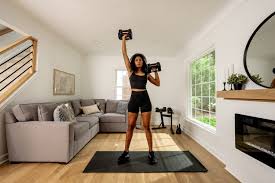
Quick Workout Before Work
The Power of a Morning Sweat
Getting your body moving first thing can truly transform your entire day. It’s not about intense gym sessions. It’s about gentle nudges for your body and mind.
A short burst of activity wakes up your muscles and your brain. This can help you feel more alert and ready to tackle your tasks.
Think of it like this: your body is a car. It needs a little warm-up before hitting the highway. A quick workout before work is that gentle ignition.
It gets the engine running smoothly. You might find your thinking gets clearer. Your mood can lift.
Even small tasks seem less daunting.
Most people think workouts need hours. That’s a big myth. You can get great benefits in just 10 to 20 minutes.
It’s about consistency, not always duration. Doing something every day is more powerful than doing one long workout once a week.
My Own Morning Rumble
I remember a time when my mornings were a blurry rush. Hit snooze. Scramble.
Grab toast. Dash out the door. I’d feel groggy until lunchtime.
My focus was scattered. My energy levels dipped by mid-morning.
One day, I felt particularly defeated. I decided to try something simple. Before even getting dressed, I did 10 minutes of stretching and a few bodyweight squats in my living room.
The sunlight streamed through the window. I could hear the birds chirping outside.
Honestly, I didn’t expect much. But after those few minutes, something shifted. My shoulders felt less tight.
My legs felt a bit more solid. I felt a tiny spark of energy. It wasn’t a huge change, but it was noticeable.
That small win made me feel capable. It set a positive tone for the rest of the day.
That was the start. I kept it short. I kept it simple.
Soon, that 10-minute routine became the best part of my morning. It was my secret weapon against the daily grind. It showed me that even small efforts yield big rewards.
Quick Wins: Top Morning Exercises
Jumping Jacks: Great for getting your heart rate up fast. Do 30 seconds on, 15 seconds rest. Repeat 3-5 times.
Squats: Works your legs and glutes. Aim for 10-15 reps. Focus on good form.
Push-ups: Builds upper body strength. Do as many as you can with good form. If needed, do them on your knees.
Lunges: Good for leg strength and balance. 10 reps per leg. Keep your front knee over your ankle.
Plank: Core strength is key. Hold for 20-30 seconds. Keep your body in a straight line.
Why Mornings? The Science Says Yes.
There’s a reason people talk about morning routines. Our bodies have a natural clock, called the circadian rhythm. Waking up with exercise can help set this clock right.
It signals to your body that it’s time to be active and alert.
Studies show that exercising in the morning can boost your metabolism. This means your body burns more calories throughout the day. It can also improve your mood.
Exercise releases endorphins. These are natural mood lifters. This can help combat stress and anxiety.
For many, mornings are also the quietest time. There are fewer distractions. It’s easier to carve out dedicated time.
You’re not trying to fit it in after a long, tiring day. You get it done. Then you can relax knowing you’ve accomplished something good for yourself.
Think about your energy levels. They naturally fluctuate. For most people, energy is highest in the morning.
It’s a great time to harness that natural peak. You can use that energy to power your workout. Then, you carry that momentum with you.
Morning Routine Benefits: The Fast Facts
Boosted Energy: Feel more awake and alert.
Improved Focus: Sharper thinking for work.
Better Mood: Endorphins help fight stress.
Enhanced Metabolism: Burn more calories all day.
Consistent Habit: Easier to stick with long-term.
Stress Reduction: Start your day calmer.
Setting Up Your Space for Success
You don’t need a fancy gym. Your living room, bedroom, or even a small corner can work. The goal is to make it easy to start.
Clear a little space. Move a coffee table if you need to. Make sure you have enough room to move your arms and legs freely.
Having a designated spot can help. It’s your workout zone. Even if it’s just a mat on the floor.
When you see it, it reminds you it’s time to move. This visual cue can be very powerful.
Think about comfort. Wear clothes that let you move easily. You don’t need special workout gear.
Comfortable sweats or shorts and a t-shirt are perfect. Make sure you have water nearby. Staying hydrated is important, even for short workouts.
Consider the time. Lay out your workout clothes the night before. This removes one barrier.
When you wake up, they’re ready. You can just slip them on and go. It makes the decision to exercise much simpler.
Your Mini Home Gym Checklist
Clear Space: Enough room to move safely.
Comfortable Clothes: Anything you can stretch and jump in.
Water Bottle: Keep it handy for sips.
Workout Mat (Optional): For floor exercises, adds comfort.
Enthusiasm: The most important tool!
Crafting Your 10-Minute Power Routine
The key is to hit major muscle groups quickly. A full-body approach works best for short sessions. You want to get your heart pumping and your muscles working.
Start with a warm-up. This is super important. It prepares your body.
It prevents injuries. A good warm-up should be 1-2 minutes. Think about dynamic movements.
This means moving your body through a range of motion.
Examples include arm circles, leg swings, and torso twists. Gentle marching in place is also great. Just get the blood flowing.
Don’t overdo it. You’re just waking things up.
Next, dive into the main workout. Aim for about 5-7 minutes of active exercise. You can do this in circuits.
A circuit is a series of exercises done one after another with minimal rest. Then you rest briefly before starting the next round.
For a 10-minute routine, you might do 2-3 circuits. Each circuit could have 3-4 exercises. For instance, a circuit might be: 10 squats, 10 push-ups (on knees if needed), 30 seconds of jumping jacks, and a 30-second plank.
Do this circuit, rest for 30-60 seconds, then repeat.
Finish with a cool-down. This is just 1-2 minutes. Gentle stretching helps your muscles recover.
Hold each stretch for 15-30 seconds. Focus on the muscles you worked, like your legs, chest, and arms. This helps reduce soreness.
Sample 10-Minute Workout Circuit
Warm-up (2 mins):
- March in place (30 secs)
- Arm circles forward & backward (30 secs)
- Leg swings front & back (30 secs per leg)
Circuit (6 mins): (Repeat 2 times with 30 sec rest between circuits)
- Squats: 12 reps
- Push-ups: As many as possible (AMRAP)
- Jumping Jacks: 30 seconds
- Plank: 30 seconds
Cool-down (2 mins):
- Quad stretch (30 secs per leg)
- Hamstring stretch (30 secs per leg)
- Chest stretch (30 secs)
Variations for Every Morning Mood
Not every day feels the same. Some mornings you might want to feel more energized. Other days, you might prefer something more calming.
Having a few routine options can keep things interesting.
The Energizer: Focus on cardio. Jumping jacks, high knees, burpees (if you’re up for it!). Keep the pace quick.
The goal is to get your heart rate way up. This is great for days when you need an extra boost to overcome morning sluggishness.
The Strength Builder: Focus on bodyweight strength. Squats, lunges, push-ups, planks. You can add variations like jump squats or triceps dips using a sturdy chair.
This helps build muscle. It makes you feel stronger and more capable throughout the day.
The Flexibility Flow: Focus on stretching and mobility. Gentle yoga poses, dynamic stretches, and foam rolling if you have one. This is perfect for days when your body feels stiff.
It helps improve your range of motion and reduce tension. This can be especially good after sitting for long periods.
The Mindful Mover: Combine light movement with deep breathing. Focus on slow, controlled movements. Pay attention to your breath.
This type of workout is grounding. It helps clear your mind and reduce stress before the workday chaos begins.
Routine Rotation Ideas
- Monday: Strength Builder Circuit
- Tuesday: Energizer Cardio Blast
- Wednesday: Flexibility Flow
- Thursday: Strength Builder Circuit
- Friday: Energizer Cardio Blast
- Weekend: Longer, fun activity or rest!
Listen to Your Body: The Most Important Rule
This is a vital point. Your body talks to you. You need to learn to listen.
On days when you feel tired or sore, don’t push too hard. Modify your workout. Shorten it.
Or choose a gentler option like stretching.
A quick workout is meant to help you, not hurt you. If something feels sharp or wrong, stop. Pushing through pain is a fast track to injury.
Injuries can set back your fitness goals for weeks or months. That’s the opposite of what we want.
If you have any health concerns, always talk to your doctor first. They can give you advice specific to your situation. They can help you understand what types of exercise are safe and beneficial for you.
Remember, consistency is key. It’s better to do a 5-minute workout when you’re not feeling 100% than to skip it entirely. This keeps the habit alive.
It reinforces that you are committed to your well-being.
When to Modify or Rest
Feeling Sick: Stick to light stretching or rest.
Muscle Soreness: Opt for gentle movement, not intense exercise.
Injury: Stop the activity that caused pain. Consult a professional.
Extreme Fatigue: A short, gentle session might help, but don’t overdo it.
Mental Health Day: Sometimes, a peaceful walk or deep breathing is more beneficial than a workout.
Tracking Your Progress (The Simple Way)
You don’t need complicated spreadsheets. Keeping track can be as easy as jotting down a few notes. This helps you see how far you’ve come.
It also helps you stay motivated.
Try a simple journal or a notes app on your phone. After your workout, write down:
- What exercises you did.
- How many reps or how long you held positions.
- How you felt afterward.
- Any challenges or successes.
Seeing a record of your efforts can be very encouraging. You might notice you can do more push-ups than when you started. Or that you feel less winded during jumping jacks.
These small victories add up.
Another simple way to track is just by how you feel. Does your energy last longer? Do you feel more focused at work?
Are your clothes fitting a little better? These are all signs of progress.
Don’t compare yourself to others. Your journey is unique. Focus on your own improvements.
Celebrate the wins, no matter how small they seem. This positive reinforcement is crucial for building a lasting habit.
Your Quick Progress Tracker
Date:
Workout Done: (e.g., 10-min circuit)
Reps/Duration: (e.g., 12 squats, 30 sec plank)
How I Felt (Pre-workout): (e.g., sleepy, stressed)
How I Felt (Post-workout): (e.g., energized, calm)
Notes: (e.g., “Held plank longer today!”)
Making it Stick: Consistency is Queen (and King!)
The biggest hurdle with any new habit is making it last. For a quick workout before work, consistency is everything. You want it to become as natural as brushing your teeth.
Start Small: If 10 minutes feels like too much, start with 5. Do just three exercises. The goal is to build the habit of showing up.
You can always add more time later.
Be Flexible: Life happens. If you miss a day, don’t beat yourself up. Just get back on track the next day.
One missed workout doesn’t ruin your progress.
Find Your “Why”: Connect your workout to something bigger. Maybe it’s to have more energy for your kids. Maybe it’s to feel more confident.
Or perhaps it’s just to feel good in your own body. Remind yourself of this reason when motivation dips.
Reward Yourself: Acknowledge your efforts. This doesn’t have to be big. Maybe it’s enjoying a nice cup of tea after your workout.
Or allowing yourself a few extra minutes of quiet reading time. Positive reinforcement works!
Make it Enjoyable: Pick exercises you actually like. Put on music that makes you feel good. Find a workout buddy if that helps you stay accountable.
The more you enjoy it, the more likely you are to stick with it.
What About Specific Times of Year?
The beauty of a quick home workout is its adaptability. It works year-round, no matter the weather outside.
In the Winter: When it’s dark and cold, the temptation to stay in bed is strong. A quick indoor routine is your best friend. You’ll feel warmer and more energized for the day ahead, without having to brave the elements.
In the Spring: As the days get longer and warmer, you might be inspired to go outside. You can still do a quick routine indoors before heading out for a walk or run. Or, you can take your workout to the backyard!
In the Summer: Mornings can be lovely. You might prefer to wake up and do your workout when it’s cooler. The key is that it’s done before the heat of the day sets in.
Or, you can still do it inside if you prefer.
In the Fall: When the weather turns crisp, an indoor workout can be a cozy way to start the day. It’s a good transition from summer outdoor activities to more indoor routines as the seasons change.
When to Seek Expert Advice
While most quick workouts are safe for healthy individuals, there are times to consult a professional. If you have any chronic health conditions like heart disease, diabetes, or asthma, talk to your doctor before starting a new exercise program. They can help you tailor a plan that’s safe and effective for you.
If you experience any persistent pain during or after your workouts, it’s important to see a doctor or a physical therapist. They can diagnose the issue and recommend appropriate treatment. Don’t try to push through sharp or lasting pain.
For personalized guidance on exercise form and technique, consider working with a certified personal trainer, even for a few sessions. They can ensure you’re doing exercises correctly, which maximizes benefits and minimizes injury risk. This is especially helpful when starting out or trying new moves.
Frequently Asked Questions
How many days a week should I do a quick workout?
Aim for 3-5 days a week to start. Consistency is more important than frequency initially. Even doing it 2-3 times a week is a great beginning.
As you build the habit, you can increase it.
What if I have no energy in the morning?
That’s common! Try making your workout even shorter, just 5 minutes. Focus on simple movements like marching in place and gentle stretches.
Sometimes the act of moving, even gently, can create energy. Laying out your clothes the night before also helps.
Can I do a quick workout if I have joint pain?
Yes, but with caution. Choose low-impact exercises. Instead of jumping jacks, try stepping jacks.
Opt for squats and lunges with a smaller range of motion. Always listen to your body. If an exercise causes pain, stop and try something else, or consult a physical therapist.
Do I need any special equipment for a quick workout?
No, not at all! Your body is your best tool. Most effective quick workouts use bodyweight exercises.
If you want, a yoga mat can add comfort for floor exercises. A water bottle is also recommended.
What’s the best time to do a quick workout before work?
The “best” time is when it fits your schedule and when you’re most likely to do it. For most, this is right after waking up, before checking emails or getting too busy. Experiment to find your sweet spot.
How long should a quick workout before work actually be?
Generally, “quick” means between 10 and 20 minutes. Some people find success with even shorter 5-minute routines. The key is to make it manageable so you can do it consistently.
Quality of movement over quantity of time.
Your Day Starts Now
Taking just a few minutes to move your body can be a game-changer. It’s about building momentum. It’s about showing yourself that you can prioritize your health.
Even before the demands of the day begin. You’ve got this!

Related Posts
15 Minute Home Workout

Quick Home Workout