Author: Admin

  • Quick Workout Before Work

    Quick Workout Before Work

    The Power of a Morning Sweat

    Getting your body moving first thing can truly transform your entire day. It’s not about intense gym sessions. It’s about gentle nudges for your body and mind.

    A short burst of activity wakes up your muscles and your brain. This can help you feel more alert and ready to tackle your tasks.

    Think of it like this: your body is a car. It needs a little warm-up before hitting the highway. A quick workout before work is that gentle ignition.

    It gets the engine running smoothly. You might find your thinking gets clearer. Your mood can lift.

    Even small tasks seem less daunting.

    Most people think workouts need hours. That’s a big myth. You can get great benefits in just 10 to 20 minutes.

    It’s about consistency, not always duration. Doing something every day is more powerful than doing one long workout once a week.

    My Own Morning Rumble

    I remember a time when my mornings were a blurry rush. Hit snooze. Scramble.

    Grab toast. Dash out the door. I’d feel groggy until lunchtime.

    My focus was scattered. My energy levels dipped by mid-morning.

    One day, I felt particularly defeated. I decided to try something simple. Before even getting dressed, I did 10 minutes of stretching and a few bodyweight squats in my living room.

    The sunlight streamed through the window. I could hear the birds chirping outside.

    Honestly, I didn’t expect much. But after those few minutes, something shifted. My shoulders felt less tight.

    My legs felt a bit more solid. I felt a tiny spark of energy. It wasn’t a huge change, but it was noticeable.

    That small win made me feel capable. It set a positive tone for the rest of the day.

    That was the start. I kept it short. I kept it simple.

    Soon, that 10-minute routine became the best part of my morning. It was my secret weapon against the daily grind. It showed me that even small efforts yield big rewards.

    Quick Wins: Top Morning Exercises

    Jumping Jacks: Great for getting your heart rate up fast. Do 30 seconds on, 15 seconds rest. Repeat 3-5 times.

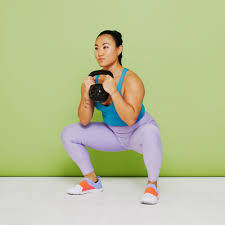
    Squats: Works your legs and glutes. Aim for 10-15 reps. Focus on good form.

    Push-ups: Builds upper body strength. Do as many as you can with good form. If needed, do them on your knees.

    Lunges: Good for leg strength and balance. 10 reps per leg. Keep your front knee over your ankle.

    Plank: Core strength is key. Hold for 20-30 seconds. Keep your body in a straight line.

    Why Mornings? The Science Says Yes.

    There’s a reason people talk about morning routines. Our bodies have a natural clock, called the circadian rhythm. Waking up with exercise can help set this clock right.

    It signals to your body that it’s time to be active and alert.

    Studies show that exercising in the morning can boost your metabolism. This means your body burns more calories throughout the day. It can also improve your mood.

    Exercise releases endorphins. These are natural mood lifters. This can help combat stress and anxiety.

    For many, mornings are also the quietest time. There are fewer distractions. It’s easier to carve out dedicated time.

    You’re not trying to fit it in after a long, tiring day. You get it done. Then you can relax knowing you’ve accomplished something good for yourself.

    Think about your energy levels. They naturally fluctuate. For most people, energy is highest in the morning.

    It’s a great time to harness that natural peak. You can use that energy to power your workout. Then, you carry that momentum with you.

    Morning Routine Benefits: The Fast Facts

    Boosted Energy: Feel more awake and alert.

    Improved Focus: Sharper thinking for work.

    Better Mood: Endorphins help fight stress.

    Enhanced Metabolism: Burn more calories all day.

    Consistent Habit: Easier to stick with long-term.

    Stress Reduction: Start your day calmer.

    Setting Up Your Space for Success

    You don’t need a fancy gym. Your living room, bedroom, or even a small corner can work. The goal is to make it easy to start.

    Clear a little space. Move a coffee table if you need to. Make sure you have enough room to move your arms and legs freely.

    Having a designated spot can help. It’s your workout zone. Even if it’s just a mat on the floor.

    When you see it, it reminds you it’s time to move. This visual cue can be very powerful.

    Think about comfort. Wear clothes that let you move easily. You don’t need special workout gear.

    Comfortable sweats or shorts and a t-shirt are perfect. Make sure you have water nearby. Staying hydrated is important, even for short workouts.

    Consider the time. Lay out your workout clothes the night before. This removes one barrier.

    When you wake up, they’re ready. You can just slip them on and go. It makes the decision to exercise much simpler.

    Your Mini Home Gym Checklist

    Clear Space: Enough room to move safely.

    Comfortable Clothes: Anything you can stretch and jump in.

    Water Bottle: Keep it handy for sips.

    Workout Mat (Optional): For floor exercises, adds comfort.

    Enthusiasm: The most important tool!

    Crafting Your 10-Minute Power Routine

    The key is to hit major muscle groups quickly. A full-body approach works best for short sessions. You want to get your heart pumping and your muscles working.

    Start with a warm-up. This is super important. It prepares your body.

    It prevents injuries. A good warm-up should be 1-2 minutes. Think about dynamic movements.

    This means moving your body through a range of motion.

    Examples include arm circles, leg swings, and torso twists. Gentle marching in place is also great. Just get the blood flowing.

    Don’t overdo it. You’re just waking things up.

    Next, dive into the main workout. Aim for about 5-7 minutes of active exercise. You can do this in circuits.

    A circuit is a series of exercises done one after another with minimal rest. Then you rest briefly before starting the next round.

    For a 10-minute routine, you might do 2-3 circuits. Each circuit could have 3-4 exercises. For instance, a circuit might be: 10 squats, 10 push-ups (on knees if needed), 30 seconds of jumping jacks, and a 30-second plank.

    Do this circuit, rest for 30-60 seconds, then repeat.

    Finish with a cool-down. This is just 1-2 minutes. Gentle stretching helps your muscles recover.

    Hold each stretch for 15-30 seconds. Focus on the muscles you worked, like your legs, chest, and arms. This helps reduce soreness.

    Sample 10-Minute Workout Circuit

    Warm-up (2 mins):

    • March in place (30 secs)
    • Arm circles forward & backward (30 secs)
    • Leg swings front & back (30 secs per leg)

    Circuit (6 mins): (Repeat 2 times with 30 sec rest between circuits)

    • Squats: 12 reps
    • Push-ups: As many as possible (AMRAP)
    • Jumping Jacks: 30 seconds
    • Plank: 30 seconds

    Cool-down (2 mins):

    • Quad stretch (30 secs per leg)
    • Hamstring stretch (30 secs per leg)
    • Chest stretch (30 secs)

    Variations for Every Morning Mood

    Not every day feels the same. Some mornings you might want to feel more energized. Other days, you might prefer something more calming.

    Having a few routine options can keep things interesting.

    The Energizer: Focus on cardio. Jumping jacks, high knees, burpees (if you’re up for it!). Keep the pace quick.

    The goal is to get your heart rate way up. This is great for days when you need an extra boost to overcome morning sluggishness.

    The Strength Builder: Focus on bodyweight strength. Squats, lunges, push-ups, planks. You can add variations like jump squats or triceps dips using a sturdy chair.

    This helps build muscle. It makes you feel stronger and more capable throughout the day.

    The Flexibility Flow: Focus on stretching and mobility. Gentle yoga poses, dynamic stretches, and foam rolling if you have one. This is perfect for days when your body feels stiff.

    It helps improve your range of motion and reduce tension. This can be especially good after sitting for long periods.

    The Mindful Mover: Combine light movement with deep breathing. Focus on slow, controlled movements. Pay attention to your breath.

    This type of workout is grounding. It helps clear your mind and reduce stress before the workday chaos begins.

    Routine Rotation Ideas

    • Monday: Strength Builder Circuit
    • Tuesday: Energizer Cardio Blast
    • Wednesday: Flexibility Flow
    • Thursday: Strength Builder Circuit
    • Friday: Energizer Cardio Blast
    • Weekend: Longer, fun activity or rest!

    Listen to Your Body: The Most Important Rule

    This is a vital point. Your body talks to you. You need to learn to listen.

    On days when you feel tired or sore, don’t push too hard. Modify your workout. Shorten it.

    Or choose a gentler option like stretching.

    A quick workout is meant to help you, not hurt you. If something feels sharp or wrong, stop. Pushing through pain is a fast track to injury.

    Injuries can set back your fitness goals for weeks or months. That’s the opposite of what we want.

    If you have any health concerns, always talk to your doctor first. They can give you advice specific to your situation. They can help you understand what types of exercise are safe and beneficial for you.

    Remember, consistency is key. It’s better to do a 5-minute workout when you’re not feeling 100% than to skip it entirely. This keeps the habit alive.

    It reinforces that you are committed to your well-being.

    When to Modify or Rest

    Feeling Sick: Stick to light stretching or rest.

    Muscle Soreness: Opt for gentle movement, not intense exercise.

    Injury: Stop the activity that caused pain. Consult a professional.

    Extreme Fatigue: A short, gentle session might help, but don’t overdo it.

    Mental Health Day: Sometimes, a peaceful walk or deep breathing is more beneficial than a workout.

    Tracking Your Progress (The Simple Way)

    You don’t need complicated spreadsheets. Keeping track can be as easy as jotting down a few notes. This helps you see how far you’ve come.

    It also helps you stay motivated.

    Try a simple journal or a notes app on your phone. After your workout, write down:

    • What exercises you did.
    • How many reps or how long you held positions.
    • How you felt afterward.
    • Any challenges or successes.

    Seeing a record of your efforts can be very encouraging. You might notice you can do more push-ups than when you started. Or that you feel less winded during jumping jacks.

    These small victories add up.

    Another simple way to track is just by how you feel. Does your energy last longer? Do you feel more focused at work?

    Are your clothes fitting a little better? These are all signs of progress.

    Don’t compare yourself to others. Your journey is unique. Focus on your own improvements.

    Celebrate the wins, no matter how small they seem. This positive reinforcement is crucial for building a lasting habit.

    Your Quick Progress Tracker

    Date:

    Workout Done: (e.g., 10-min circuit)

    Reps/Duration: (e.g., 12 squats, 30 sec plank)

    How I Felt (Pre-workout): (e.g., sleepy, stressed)

    How I Felt (Post-workout): (e.g., energized, calm)

    Notes: (e.g., “Held plank longer today!”)

    Making it Stick: Consistency is Queen (and King!)

    The biggest hurdle with any new habit is making it last. For a quick workout before work, consistency is everything. You want it to become as natural as brushing your teeth.

    Start Small: If 10 minutes feels like too much, start with 5. Do just three exercises. The goal is to build the habit of showing up.

    You can always add more time later.

    Be Flexible: Life happens. If you miss a day, don’t beat yourself up. Just get back on track the next day.

    One missed workout doesn’t ruin your progress.

    Find Your “Why”: Connect your workout to something bigger. Maybe it’s to have more energy for your kids. Maybe it’s to feel more confident.

    Or perhaps it’s just to feel good in your own body. Remind yourself of this reason when motivation dips.

    Reward Yourself: Acknowledge your efforts. This doesn’t have to be big. Maybe it’s enjoying a nice cup of tea after your workout.

    Or allowing yourself a few extra minutes of quiet reading time. Positive reinforcement works!

    Make it Enjoyable: Pick exercises you actually like. Put on music that makes you feel good. Find a workout buddy if that helps you stay accountable.

    The more you enjoy it, the more likely you are to stick with it.

    What About Specific Times of Year?

    The beauty of a quick home workout is its adaptability. It works year-round, no matter the weather outside.

    In the Winter: When it’s dark and cold, the temptation to stay in bed is strong. A quick indoor routine is your best friend. You’ll feel warmer and more energized for the day ahead, without having to brave the elements.

    In the Spring: As the days get longer and warmer, you might be inspired to go outside. You can still do a quick routine indoors before heading out for a walk or run. Or, you can take your workout to the backyard!

    In the Summer: Mornings can be lovely. You might prefer to wake up and do your workout when it’s cooler. The key is that it’s done before the heat of the day sets in.

    Or, you can still do it inside if you prefer.

    In the Fall: When the weather turns crisp, an indoor workout can be a cozy way to start the day. It’s a good transition from summer outdoor activities to more indoor routines as the seasons change.

    When to Seek Expert Advice

    While most quick workouts are safe for healthy individuals, there are times to consult a professional. If you have any chronic health conditions like heart disease, diabetes, or asthma, talk to your doctor before starting a new exercise program. They can help you tailor a plan that’s safe and effective for you.

    If you experience any persistent pain during or after your workouts, it’s important to see a doctor or a physical therapist. They can diagnose the issue and recommend appropriate treatment. Don’t try to push through sharp or lasting pain.

    For personalized guidance on exercise form and technique, consider working with a certified personal trainer, even for a few sessions. They can ensure you’re doing exercises correctly, which maximizes benefits and minimizes injury risk. This is especially helpful when starting out or trying new moves.

    Frequently Asked Questions

    How many days a week should I do a quick workout?

    Aim for 3-5 days a week to start. Consistency is more important than frequency initially. Even doing it 2-3 times a week is a great beginning.

    As you build the habit, you can increase it.

    What if I have no energy in the morning?

    That’s common! Try making your workout even shorter, just 5 minutes. Focus on simple movements like marching in place and gentle stretches.

    Sometimes the act of moving, even gently, can create energy. Laying out your clothes the night before also helps.

    Can I do a quick workout if I have joint pain?

    Yes, but with caution. Choose low-impact exercises. Instead of jumping jacks, try stepping jacks.

    Opt for squats and lunges with a smaller range of motion. Always listen to your body. If an exercise causes pain, stop and try something else, or consult a physical therapist.

    Do I need any special equipment for a quick workout?

    No, not at all! Your body is your best tool. Most effective quick workouts use bodyweight exercises.

    If you want, a yoga mat can add comfort for floor exercises. A water bottle is also recommended.

    What’s the best time to do a quick workout before work?

    The “best” time is when it fits your schedule and when you’re most likely to do it. For most, this is right after waking up, before checking emails or getting too busy. Experiment to find your sweet spot.

    How long should a quick workout before work actually be?

    Generally, “quick” means between 10 and 20 minutes. Some people find success with even shorter 5-minute routines. The key is to make it manageable so you can do it consistently.

    Quality of movement over quantity of time.

    Your Day Starts Now

    Taking just a few minutes to move your body can be a game-changer. It’s about building momentum. It’s about showing yourself that you can prioritize your health.

    Even before the demands of the day begin. You’ve got this!

  • 15 Minute Home Workout

    15 Minute Home Workout

    This guide focuses on quick, effective 15-minute home workouts. These routines are designed to fit into any busy schedule. They help boost your energy and improve your overall fitness without needing a gym. You’ll learn simple exercises and how to make them work for you.

    What is a 15-Minute Home Workout?

    A 15-minute home workout is a set of exercises you do in your house. It lasts about a quarter of an hour. The goal is to get your body moving.

    You want to raise your heart rate a bit. It helps you feel better. These workouts are short.

    They fit easily into your day.

    You don’t need fancy equipment. Many workouts use just your body weight. Some might need a simple item like a chair or a yoga mat.

    The main idea is to be efficient. Every minute counts. You get a good sweat going.

    You work different muscles.

    Why are 15-Minute Workouts So Great?

    These short workouts offer big benefits. They are perfect for busy people. You can do them first thing in the morning.

    You can squeeze them in during a lunch break. Or you can do them before bed. They make exercise feel less like a chore.

    They feel more like a quick boost.

    Research shows that even short bursts of activity help your health. You can improve your heart health. You can build stronger muscles.

    You can lift your mood. You burn calories too. It’s a great way to stay active without a huge time commitment.

    It’s all about consistency.

    My Own 15-Minute Workout Journey

    I remember a time when my schedule was completely insane. I was working long hours. I had a young child at home.

    Finding an hour for the gym felt like a fantasy. I started feeling sluggish and stressed. My clothes felt tighter.

    I knew I needed to do something.

    One evening, totally exhausted, I scrolled through workout videos. Most were 30 or 45 minutes. Then I saw one titled “15-Minute Full Body Blast.” I thought, “Can I really get a workout done in that little time?” I decided to try it.

    I put on some music. I cleared a small space in my living room. It was just me, my mat, and the timer.

    The first few minutes were tough. My body was stiff. My breathing got heavy quickly.

    But then, something amazing happened. I started to feel a surge of energy. The quick pace kept me focused.

    I moved from one exercise to the next without much rest. When the timer hit 15 minutes, I was drenched in sweat. I felt tired, but in a good way.

    I felt accomplished. That day, I realized that 15 minutes could make a real difference. It changed how I thought about exercise.

    Quick Wins: Benefits of Short Bursts

    Energy Boost: A quick workout can wake you up. It gets your blood flowing.

    Stress Relief: Moving your body helps clear your mind. It reduces tension.

    Mood Improvement: Exercise releases endorphins. These make you feel happy.

    Calorie Burn: You still burn calories. It adds up over time.

    Consistency: It’s easier to stick with. Short workouts are less daunting.

    Getting Started: What You Need

    The best part about 15-minute home workouts is that you need very little. You can start right now. Most exercises use your own body weight.

    This means your own body is the equipment.

    However, a few things can make it better. A comfortable, non-slip surface is good. A yoga mat is perfect for this.

    It protects your knees and hands. Good, supportive shoes are important, especially for jumping or high-impact moves. Also, wear comfortable clothing that lets you move freely.

    Some workouts might use simple items. A sturdy chair can be used for support. Water bottles can act as light weights.

    Resistance bands are small and portable. They add an extra challenge. But again, you can start with absolutely nothing but yourself and some space.

    Equipment Check: Is it Necessary?

    • Yoga Mat: Nice to have for comfort and grip. Not essential.
    • Comfortable Clothes: Essential for free movement.
    • Supportive Shoes: Important for higher intensity.
    • Water Bottle: For hydration.
    • Optional: Resistance bands, light weights, sturdy chair.

    Crafting Your 15-Minute Workout Routine

    Creating a balanced 15-minute workout is key. You want to work different parts of your body. A good routine usually includes a warm-up, the main workout, and a cool-down.

    Even for 15 minutes, this structure helps.

    The warm-up gets your body ready. It increases blood flow to your muscles. This helps prevent injury.

    You can do light movements for 1-2 minutes. Think arm circles, leg swings, and gentle twists.

    The main part of the workout is where you do your exercises. You can focus on one area, like your legs. Or you can do a full-body circuit.

    A circuit means doing several exercises one after another with little rest. This keeps your heart rate up.

    The cool-down helps your body recover. You can do some light stretching. This helps your muscles relax.

    It brings your heart rate back down. This part usually takes 1-2 minutes.

    Sample 15-Minute Full-Body Workout

    Here’s a sample routine. It hits major muscle groups. You can do this with no equipment.

    Remember to listen to your body. Adjust as needed.

    Warm-up (2 minutes):

    • Arm circles (forward and backward) – 30 seconds each way.
    • Leg swings (forward and backward, side to side) – 30 seconds per leg.
    • Torso twists – 30 seconds.

    Main Workout (11 minutes): Perform each exercise for 45 seconds. Rest for 15 seconds between exercises. Complete 2 rounds.

    • Squats: Stand with feet shoulder-width apart. Lower your hips as if sitting in a chair. Keep your chest up and back straight.
    • Push-ups: You can do these on your knees or toes. Lower your chest towards the floor. Keep your body in a straight line.
    • Jumping Jacks: A classic cardio move. Jump your feet wide and raise your arms overhead. Then jump back to the start.
    • Lunges: Step forward with one leg. Lower your hips until both knees are bent at about 90 degrees. Push off your front foot to return to start. Alternate legs.
    • Plank: Hold your body in a straight line from head to heels. Rest on your forearms and toes. Engage your core.
    • High Knees: Run in place, bringing your knees up towards your chest. Pump your arms.

    Cool-down (2 minutes):

    • Quad stretch – 30 seconds per leg.
    • Hamstring stretch – 30 seconds per leg.
    • Triceps stretch – 30 seconds per arm.
    • Deep breaths.

    Exercise Swaps for Variety

    • Instead of Squats: Glute bridges, wall sits.
    • Instead of Push-ups: Incline push-ups (hands on a table or chair), shoulder taps.
    • Instead of Lunges: Step-ups onto a low sturdy object, curtsy lunges.
    • Instead of Plank: Bird-dog, dead bug.
    • Instead of Jumping Jacks: Butt kicks, side shuffles.
    • Instead of High Knees: Mountain climbers, burpees (modified).

    Focusing on Cardio in 15 Minutes

    If your goal is to get your heart pumping and burn calories quickly, a 15-minute cardio workout is perfect. You can use high-intensity interval training (HIIT). HIIT involves short bursts of very intense exercise.

    These are followed by brief recovery periods.

    For example, you could do 30 seconds of burpees followed by 15 seconds of rest. Then move to 30 seconds of fast jumping jacks, then rest. You repeat this pattern.

    It’s very effective for burning calories in a short time.

    You can also do steady-state cardio. This means keeping your heart rate elevated for the whole 15 minutes. Think jogging in place, dancing to music, or using a jump rope if you have one.

    The key is to keep moving consistently.

    Cardio Moves for Quick Workouts

    Tabata Style (20 seconds work, 10 seconds rest):

    • Jumping Jacks
    • High Knees
    • Butt Kicks
    • Mountain Climbers
    • Burpees
    • Jump Squats

    Building Strength with 15-Minute Sessions

    You might think you need long workouts for strength. But even 15 minutes can help build muscle. The trick is to focus on compound movements.

    These exercises work multiple muscle groups at once.

    Exercises like squats, lunges, push-ups, and rows (if you have bands or weights) are excellent. You can do them in a circuit. Perform each exercise for a set number of repetitions or for time.

    Then move to the next. Try to increase the challenge over time.

    This could mean doing more reps. It could mean holding a plank longer. Or it could mean slowing down the movement to make it harder.

    This is often called “time under tension.” It helps build strength and endurance.

    Strength Circuit Example (15 Min)

    Warm-up: 2 minutes (light jogging in place, arm circles)

    Circuit (3 Rounds): Perform each for 40 seconds, rest 20 seconds between exercises.

    1. Squats
    2. Push-ups (on knees or toes)
    3. Walking Lunges (or stationary lunges)
    4. Plank
    5. Glute Bridges

    Cool-down: 1 minute (gentle stretching)

    Flexibility and Mobility in Short Workouts

    While a 15-minute workout might not feel like a full yoga session, you can still include flexibility and mobility. These are super important for preventing injuries. They also help you move better in daily life.

    You can dedicate the warm-up and cool-down periods to this. Dynamic stretches, like leg swings and torso twists, are great for warm-ups. Static stretches, where you hold a stretch for a period, are best for the cool-down.

    Think about stretching major muscle groups. Hamstrings, quads, chest, shoulders, and back are key. Even a minute or two focused on these can make a difference.

    You’ll feel less stiff and more ready for anything.

    Making 15 Minutes Work for Different Fitness Levels

    The beauty of a 15-minute workout is its adaptability. It can work for beginners and advanced fitness enthusiasts alike. The key is modification and intensity.

    For beginners, the focus is on learning the movements correctly.

    They might do fewer repetitions. They might take longer rests. They might use easier versions of exercises, like knee push-ups.

    The goal is to build a foundation and get comfortable with movement. Even 15 minutes of consistent, proper form is valuable.

    For more advanced individuals, intensity is the name of the game. They can use more challenging variations. They can add weight if they have it.

    They can decrease rest times significantly. They can aim for higher repetitions or longer holds. Pushing yourself safely is how you continue to improve.

    Adapting for You

    Level Exercise Focus Intensity/Reps Rest Time
    Beginner Learning form, basic movements Fewer reps (8-12), easier variations 30-45 seconds rest
    Intermediate Building endurance and strength Moderate reps (12-15), standard variations 20-30 seconds rest
    Advanced Pushing limits, higher intensity More reps (15+), challenging variations, added weight 10-20 seconds rest

    Real-World Scenarios: Fitting 15 Minutes In

    Let’s imagine a few common situations. You wake up at 7 AM. You need to get kids ready for school and yourself ready for work.

    You feel like you have no time. But what if you set your alarm for 6:30 AM? That extra 30 minutes might feel like a sacrifice, but it gives you 15 minutes for a workout and 15 minutes to calmly get ready.

    Or consider a lunch break. Many of us spend it scrolling on our phones or just sitting. You could use 15 minutes of that hour to do a quick workout.

    You’ll likely feel more refreshed and focused for the rest of the afternoon. It breaks up the sedentary part of the day.

    Another scenario: you get home from work feeling drained. The thought of going to the gym is too much. But you can probably manage 15 minutes.

    Put on some music. Do a quick dance party or a bodyweight circuit. You’ll be surprised how much better you feel afterward.

    What This Means For You: Normal vs. Concerning

    For most people, doing a 15-minute workout is safe and beneficial. You should feel your heart rate go up. You might feel a bit out of breath.

    You’ll probably feel a slight muscle burn. You should feel energized and positive afterwards.

    However, there are times to pay attention. If you experience sharp pain during an exercise, stop immediately. If you feel dizzy or nauseous, that’s a sign to rest.

    If you have pre-existing health conditions, it’s always wise to check with your doctor before starting any new exercise program, even a short one.

    What’s normal for one person might not be for another. Listen to your body. If 15 minutes feels too much initially, start with 10 minutes or even 5.

    The goal is to build consistency. Gradually increase the duration or intensity as you feel stronger.

    Quick Tips for Sticking With It

    Consistency is the hardest part. Here are some ways to make your 15-minute workouts a habit:

    • Schedule It: Put it in your calendar like any other appointment.
    • Lay Out Your Clothes: Have your workout clothes ready the night before.
    • Find a Buddy: Even a virtual one. Text a friend when you finish.
    • Track Your Progress: Note down what you did. Seeing your progress is motivating.
    • Vary Your Workouts: Keep it interesting. Try new exercises or routines.
    • Don’t Aim for Perfect: Some days will be harder than others. Just do what you can. Done is better than perfect.
    • Reward Yourself: Acknowledge your effort with a healthy treat or some quiet time.

    Frequently Asked Questions About 15-Minute Home Workouts

    Can I really get fit doing only 15-minute workouts?

    Yes, you absolutely can! Consistency is key. Doing a 15-minute workout regularly is far better than doing a longer workout once in a while.

    You can improve cardiovascular health, build strength, and boost your mood. For significant muscle growth, longer sessions might be more optimal, but for general fitness, 15 minutes is effective.

    What’s the best time of day for a 15-minute workout?

    The best time is whenever you can consistently do it. Some people prefer morning workouts to energize their day. Others like an afternoon session to break up work.

    Evening workouts can help release stress. Experiment to find what fits your life and energy levels best.

    Do I need a special app or video for a 15-minute workout?

    Not at all! While apps and videos can be helpful for guidance and variety, you can create your own effective 15-minute routines using basic bodyweight exercises. The key is to choose a few exercises that target different muscle groups or provide a cardio challenge.

    What if I’m too tired to do a full 15 minutes?

    That’s okay! Listen to your body. Even 5 or 10 minutes of movement is better than nothing.

    You can do a shorter version of your planned workout or just focus on some stretching and deep breathing. The goal is to keep moving and not break the habit.

    Can I combine different types of 15-minute workouts?

    Yes, this is a great idea! You could do a strength-focused 15-minute workout one day and a cardio-focused one the next. You can also mix elements within a single session.

    For example, start with cardio, then do some strength moves, and finish with a stretch. Variety keeps things engaging and works your body in different ways.

    How can I make my 15-minute workouts more challenging over time?

    As you get fitter, you’ll need to challenge yourself more. You can do this by increasing the number of repetitions, increasing the duration of each exercise, decreasing rest times, adding plyometrics (like jump squats), using resistance bands or weights, or trying more complex exercise variations.

    Conclusion: Small Efforts, Big Results

    Fitting exercise into a busy life often feels overwhelming. But with 15-minute home workouts, it becomes achievable. These short, effective sessions can significantly boost your health and well-being.

    They prove that you don’t need hours to make a difference. Start small, stay consistent, and enjoy the journey to a healthier you.

  • Quick Home Workout

    Quick Home Workout

    Quick home workouts are short, efficient exercise sessions you can do in your living space. They use simple movements to build strength and stamina. These workouts are perfect for busy people who want to stay active.

    You can complete them in 10-30 minutes.

    The Power of Short Bursts

    Our bodies love movement. Even small amounts help a lot. Think of it like eating.

    A whole cake is great, but a few healthy snacks throughout the day also keep you going. Quick workouts are like those healthy snacks for your fitness.

    Why do these short bursts work so well? They get your heart pumping. They wake up your muscles.

    They make your brain feel better. You don’t need to sweat for an hour to see good results. Small, consistent efforts add up over time.

    Many people think you need a gym or a long class to get fit. That’s a common idea. But in reality, your home is a great gym.

    You have all you need right there. It’s about using what you have. It’s about making fitness work for your life, not the other way around.

    Why Quick Home Workouts Matter

    Life gets busy. Work, family, errands – they all take time. It’s easy to let exercise slide.

    A quick home workout is a lifesaver then. It removes the excuse of “no time.” It makes fitness accessible. You can do it in your pajamas if you want!

    These workouts help you manage stress too. A few minutes of movement can clear your head. It’s a way to reset your mind.

    It’s also great for your mood. Exercise releases feel-good chemicals. Even a short session can make a big difference.

    And let’s not forget health. Regular activity helps control weight. It’s good for your heart.

    It strengthens your bones. It makes you feel more energetic overall. You don’t need huge amounts of time for these benefits.

    Small, regular efforts count.

    My Own Quick Workout Story

    I remember a time when my schedule was just crazy. I was working late almost every night. Getting to the gym felt like a distant dream.

    I’d come home exhausted. All I wanted was to sit on the couch. My fitness level started to drop.

    I felt sluggish and unhappy with myself.

    One evening, I was feeling particularly down. I looked around my living room. The TV was off.

    The room was quiet. I thought, “What can I do right now? Just five minutes.” I put on some upbeat music.

    I started doing jumping jacks. Then some squats. Then push-ups against the wall.

    It wasn’t a full workout, but I felt a spark. I felt a little bit better. That tiny bit of movement made me feel like I was taking control again.

    It wasn’t perfect, but it was mine. It was enough for that moment. It taught me that something is always better than nothing.

    Quick Workout Styles to Try

    Bodyweight Circuit: Moving from one exercise to the next with little rest. Uses your own weight for resistance.

    High-Intensity Interval Training (HIIT): Short bursts of intense work followed by brief rest periods. Great for burning calories fast.

    Mindful Movement: Focuses on stretching and flexibility. Good for relaxation and improving range of motion. Think yoga or Pilates.

    Cardio Blast: Exercises that get your heart rate up quickly. Like dancing, jogging in place, or jumping rope.

    Getting Started: What You Need

    The best part about quick home workouts? You need almost nothing. Seriously.

    Your body is your main tool.

    Space: Find a spot where you can move freely. Your living room floor is often perfect. Make sure you have enough room to extend your arms and legs.

    Comfortable Clothes: Wear anything that lets you move easily. Soft shoes are good, but many exercises can be done barefoot.

    Water: Stay hydrated. Keep a bottle of water nearby. Take sips between exercises.

    Music (Optional but Recommended): Music can boost your energy and motivation. Make a playlist you love!

    That’s really it. No need for fancy machines or expensive gear. Your home is your gym.

    Simple Exercises for Maximum Impact

    We’re going to focus on exercises that work multiple muscles at once. This gives you more bang for your buck in a short time. These are often called compound movements.

    Squats: Stand with your feet shoulder-width apart. Lower your hips as if sitting in a chair. Keep your chest up and your back straight.

    Push back up through your heels. This works your legs and glutes.

    Push-ups: Start on your hands and knees or hands and toes. Lower your chest towards the floor. Keep your body in a straight line.

    Push back up. This works your chest, shoulders, and arms.

    Lunges: Step forward with one leg. Lower your hips until both knees are bent at about 90 degrees. Your front knee should be over your ankle.

    Push off your front foot to return to the start. Alternate legs. This works your legs and glutes.

    Plank: Rest on your forearms and toes. Keep your body in a straight line from head to heels. Engage your core muscles.

    Hold this position. This works your core (abs and back).

    Jumping Jacks: A classic cardio move. Jump your feet wide and raise your arms overhead. Jump your feet back together and lower your arms.

    This gets your heart rate up.

    Glute Bridges: Lie on your back with knees bent and feet flat on the floor. Lift your hips off the ground. Squeeze your glutes at the top.

    Lower back down slowly. This works your glutes and hamstrings.

    These are just a few. The goal is to pick a few that feel good and challenging for you.

    Building Your Quick Workout Plan

    1. Choose Your Exercises: Pick 3-5 exercises from the list above or others you know.

    2. Decide on Time: How long do you have? 10 minutes?

    15 minutes? 20 minutes?

    3. Set Your Pace: Will you do each exercise for a set time (e.g., 30 seconds)? Or for a set number of reps (e.g., 10-15 times)?

    4. Structure Your Circuit: Perform each exercise one after the other. Rest for a short time (30-60 seconds) after you’ve done all of them.

    Then, repeat the whole circuit for as many rounds as your time allows.

    Example 15-Minute Workout:

    • Squats: 12 reps
    • Push-ups (on knees is fine!): 10 reps
    • Lunges: 10 reps per leg
    • Plank: Hold for 30 seconds
    • Jumping Jacks: 30 seconds
    • Rest for 60 seconds. Repeat for 2-3 rounds.

    Making it a Habit

    The hardest part is often starting. And the second hardest part is sticking with it. How do you make a quick home workout a regular thing?

    Schedule it: Treat it like an important appointment. Put it in your calendar. Maybe it’s right after you wake up.

    Or during your lunch break. Or before you settle down for the evening.

    Start Small: Don’t aim for 30 minutes right away if you’re not exercising now. Start with 5 or 10 minutes. Build up gradually.

    Consistency is more important than duration at first.

    Find Your “Why”: Remind yourself why you’re doing this. Is it to feel more energetic? To sleep better?

    To manage stress? Keep that reason in mind.

    Track Your Progress: Notice how you feel after workouts. Do you have more energy? Do you sleep better?

    Little wins keep you motivated.

    Be Flexible: Some days will be harder than others. If you miss a workout, don’t beat yourself up. Just get back to it the next day.

    Life happens, and that’s okay.

    Real-World Scenarios for Quick Workouts

    Let’s look at some common times when a quick home workout is a perfect fit.

    The Morning Rush: You wake up, and it’s already a race against the clock. Instead of skipping it, do 10 minutes of jumping jacks and squats. You’ll feel more awake and ready for the day.

    The Midday Slump: You’re sitting at your desk. Your energy is low. You feel tired.

    Take a 15-minute break. Do some lunges, push-ups, and a plank. You’ll return to your work feeling refreshed.

    Before Dinner: The kids are playing, or you’re waiting for dinner to cook. That 20-minute window is perfect for a quick circuit. It’s a good way to move your body before you sit down to eat.

    Late Evening Wind-Down: Instead of scrolling on your phone, try 10 minutes of stretching or a gentle yoga flow. It can help you relax and prepare for sleep.

    These are all moments where a traditional hour-long gym session is just not practical. But a 10-20 minute workout fits perfectly.

    When is it Normal? When to Worry?

    Normal:

    • Feeling a little tired after a workout.
    • Slight muscle soreness for a day or two (DOMS – Delayed Onset Muscle Soreness).
    • Feeling more energetic overall after a few weeks.
    • Needing to push yourself a bit to complete reps.

    When to Worry (and consult a doctor):

    • Sharp or sudden pain during exercise.
    • Extreme fatigue that doesn’t go away.
    • Chest pain or shortness of breath.
    • Joint pain that is severe or long-lasting.
    • Dizziness or feeling faint during exercise.

    Always listen to your body. If something feels wrong, stop. It’s better to be safe.

    Progressing Your Quick Workouts

    Once you get comfortable with the basics, you might want to challenge yourself more. How can you make your quick home workouts even better?

    Increase Reps or Time: If you were doing 10 squats, try 12 or 15. If you held a plank for 30 seconds, try 40 or 45 seconds.

    Decrease Rest: Shorten the rest time between exercises or circuits. This makes the workout more intense.

    Add Intensity: Instead of regular squats, try jump squats. For push-ups, try clapping push-ups (if you’re advanced!).

    Try New Exercises: Look up new bodyweight moves. Burpees, mountain climbers, and tricep dips are great options.

    Use Household Items: A sturdy chair can be used for step-ups or tricep dips. Water bottles or cans can be used as light weights for exercises like bicep curls or overhead presses.

    The key is to keep challenging your body in new ways. This helps you continue to get stronger and fitter.

    Common Myths About Quick Workouts

    Let’s bust some myths that might be holding you back.

    Myth 1: You need hours to get fit.

    Reality: Short, consistent workouts are very effective. Small efforts add up. A 15-minute workout several times a week is far better than one long workout every few weeks.

    Myth 2: Quick workouts aren’t as effective as long ones.

    Reality: If you work hard and smart during your short session, you can achieve great results. Focus on intensity and proper form. You can still burn calories and build muscle.

    Myth 3: You need special equipment.

    Reality: Your bodyweight is powerful. You can do hundreds of effective exercises without any equipment. Focus on compound movements.

    Myth 4: You have to feel sore to know it worked.

    Reality: Soreness is not always a sign of a good workout. Sometimes, being very sore means you overdid it. Focus on how you feel overall – more energetic, stronger, and healthier.

    Quick Workout Toolkit

    Your Phone/Tablet: Use for workout videos, music, or timers.

    A Mat (Optional): Provides comfort for floor exercises like planks or stretches.

    Water Bottle: Essential for hydration.

    Good Shoes: Protect your feet and ankles during higher impact moves.

    Timer/Watch: To keep track of exercise durations and rest periods.

    Fueling Your Quick Workouts

    What you eat matters, even for short workouts. You don’t need a complicated diet plan.

    Before a Workout: If you’re working out first thing, you might not need to eat. If you feel hungry, a small snack like a banana or a handful of almonds is good. This gives you energy without feeling heavy.

    After a Workout: It’s good to have a meal or snack with protein and carbs within an hour or two. This helps your muscles recover. Think yogurt with berries, a hard-boiled egg, or a small sandwich.

    Hydration is Key: Drink water throughout the day, not just around your workout. Staying hydrated helps your body function. It also improves your energy levels.

    Focus on whole foods. Fruits, vegetables, lean proteins, and whole grains are great. They provide the nutrients your body needs to perform and recover.

    You don’t need to overthink it for quick workouts.

    Listen to Your Body

    This is perhaps the most important piece of advice. Your body is smart. It will tell you what it needs.

    For quick home workouts, this means:

    Respect Pain: If you feel a sharp or sudden pain, stop. Pushing through pain can lead to injuries. It’s okay to modify an exercise or skip it.

    Know Your Limits: Some days you’ll have more energy than others. On low-energy days, a gentler workout is fine. Maybe focus more on stretching or balance.

    Recognize Fatigue: If you’re feeling overly tired, maybe your body needs rest. Rest days are just as important as workout days. They allow your body to repair and grow stronger.

    Adapt: If an exercise feels too hard, find an easier variation. For example, do push-ups on your knees instead of your toes. If an exercise feels too easy, find a harder variation.

    This mindful approach ensures you stay safe and keep progressing without burnout.

    Quick Workout Examples (5-15 Minutes)

    5-Minute Energy Boost:

    • Jumping Jacks: 1 minute
    • Bodyweight Squats: 1 minute
    • High Knees (running in place): 1 minute
    • Push-ups (on knees or toes): 1 minute
    • Plank: 1 minute

    10-Minute Full Body Blitz:

    • Circuit: Squats (15 reps), Push-ups (10 reps), Lunges (10 per leg), Glute Bridges (15 reps), Plank (30 seconds).
    • Rest 30 seconds. Repeat the circuit 2 times.

    15-Minute Cardio & Core:

    • Round 1: Jumping Jacks (45 sec), Rest (15 sec). High Knees (45 sec), Rest (15 sec). Mountain Climbers (45 sec), Rest (15 sec).
    • Round 2: Plank (45 sec), Rest (15 sec). Crunches (45 sec), Rest (15 sec). Leg Raises (45 sec), Rest (15 sec).
    • Repeat both rounds for a total of 3 cycles.

    When to Consider Professional Help

    While quick home workouts are generally safe and accessible, there are times when you might benefit from expert advice. If you have any underlying health conditions, like heart problems, diabetes, or joint issues, it’s always best to talk to your doctor before starting any new exercise program.

    A physical therapist or certified personal trainer can also offer valuable guidance. They can help you ensure you’re using proper form, which is crucial for preventing injuries. They can also help you create a personalized workout plan that fits your specific needs and goals, especially if you’re looking to overcome specific limitations or achieve advanced fitness milestones.

    Don’t hesitate to seek professional help if you’re unsure about something or if you experience persistent pain. Your health and safety come first.

    Conclusion: Your Fitness Journey Starts Now

    Fitting fitness into a busy life doesn’t have to be a struggle. Quick home workouts are your secret weapon. They are effective, convenient, and accessible to everyone.

    You have the power to boost your health and energy with just a few minutes each day. Start small, stay consistent, and listen to your body. Your journey to a fitter, healthier you is already underway.

  • Home Workout For Tight Spaces

    Home Workout For Tight Spaces

    Creating an effective home workout space is possible in small areas. Focus on bodyweight exercises, compact equipment, and smart storage. You can achieve fitness goals without a large gym by using creative strategies and choosing versatile tools.

    This approach makes consistent exercise accessible for everyone, regardless of their home size.

    What Makes a Home Workout Space “Tight”?

    A “tight” space is any area where you can’t easily move around. Think small bedrooms, cozy apartments, or even a corner of your living room. It means you might bump into furniture.

    You might not have room for big machines. The floor space might be limited. This can make you feel stuck.

    It’s hard to do jumping jacks or lunges. It feels like your options are very few. But they aren’t!

    We just need to think differently.

    The main issue is usually clearance. Can you extend your arms fully? Can you move your legs without hitting a wall or a table?

    Can you lie down flat on the floor? If the answer is “maybe” or “no,” your space is likely tight. It doesn’t mean you can’t exercise.

    It means you choose exercises that fit. It means you pick gear that folds or stores easily. It means you use vertical space.

    It means you get creative with what you have.

    Often, it’s about mindset. We see a small room and think “no gym here.” But the goal is movement. The goal is health.

    A small area doesn’t stop that. It just guides how we do it. It asks us to be more efficient.

    It asks us to focus on the body’s own power. Many excellent exercises require almost no equipment. They require only your body and a little bit of floor space.

    My First Small Space Workout Struggle

    I remember when I first moved into a tiny studio apartment. My old routine involved a big yoga mat and lots of sprawling movements. Suddenly, my living room floor was the only option.

    I wanted to do my usual circuit. But my couch was too close. My coffee table was right in the way.

    I tried to do a burpee. My hands hit the edge of my rug. I tried to do jumping lunges.

    I almost smacked my knee on the wall.

    Frustration set in fast. I felt like my fitness was being held back by my apartment walls. I sat down, feeling defeated.

    My big, comfy couch seemed to mock my efforts. The limited floor space felt like a cage. I thought, “Maybe I’ll just wait until I have more room.” That thought was dangerous.

    It would have stalled my progress. It was an excuse I couldn’t afford to keep.

    Then, I looked around. I saw the walls. I saw the doorframe.

    I saw my own body. I realized I was focusing on what I couldn’t do. I needed to focus on what I could do.

    I started simple. What needs just a few feet? Push-ups.

    Squats. Planks. These could all happen in a small footprint.

    That was the turning point. It wasn’t about having a big space. It was about using the space I had wisely.

    Your Small Space Workout Essentials

    Key Items for Tight Areas:

    • Resistance Bands: Light, portable, and offer great variety.
    • Jump Rope: Excellent cardio that takes up minimal space.
    • Yoga Mat: Provides cushioning and defines your workout zone.
    • Foldable Equipment: Think foldable benches or adjustable dumbbells.
    • Doorway Pull-Up Bar: Uses vertical space effectively.

    Bodyweight Exercises: Your Small Space Champions

    Bodyweight exercises are your best friend in a tight space. They use your own weight for resistance. You don’t need fancy machines.

    You don’t need a lot of equipment. You can do them almost anywhere. Your living room, your bedroom, even a hotel room.

    They build strength, endurance, and flexibility.

    Let’s talk about some basics. Squats are fantastic. You stand with your feet hip-width apart.

    Lower your hips as if sitting in a chair. Keep your chest up. Then stand back up.

    This works your legs and glutes. It needs very little space. You just need enough room to lower yourself down and back up.

    Push-ups are another great one. Start in a plank position. Your hands are under your shoulders.

    Lower your chest towards the floor. Keep your body in a straight line. Then push back up.

    If this is too hard, you can do them on your knees. This targets your chest, shoulders, and arms. You only need enough space to lie down and push up.

    Lunges are also good. Step forward with one leg. Lower your hips until both knees are bent at about 90 degrees.

    Make sure your front knee stays over your ankle. Push off your front foot to return to the start. You can do these walking or stationary.

    Stationary lunges are perfect for small spaces. You just step and return, taking up very little forward or backward room.

    Planks are amazing for your core. Get into a push-up position but rest on your forearms instead of your hands. Keep your body in a straight line from head to heels.

    Hold this position. It works your abs, back, and shoulders. It needs only the space you occupy.

    Jumping jacks can be modified. If you have enough room to move your arms and legs slightly, you can do them. If not, try “step jacks.” You step one foot out to the side while raising your arms, then bring it back.

    Alternate sides. This gives you cardio without the big jump.

    Quick Scan: Bodyweight Moves for Small Homes

    Exercise Muscles Worked Space Needed
    Squats Legs, Glutes A few feet
    Push-ups (on knees or toes) Chest, Arms, Shoulders Enough to lie down
    Stationary Lunges Legs, Glutes A few feet per leg
    Plank Core, Back Your body length
    Glute Bridges Glutes, Hamstrings Your body length

    Using Compact Equipment Wisely

    While bodyweight is great, some people like using equipment. The key here is choosing items that are small or foldable. Resistance bands are a perfect example.

    They are lightweight. They take up almost no space when not in use. You can loop them around your legs for squats.

    You can hold them for rows. You can attach them to a door to do chest presses.

    A jump rope is another fantastic tool. A good cardio session can be done in a small area with a jump rope. You just need enough vertical space so you don’t hit the ceiling or light fixtures.

    Many people think they need a big open space for a jump rope. But even a few square feet can work if you’re careful.

    Adjustable dumbbells are great if you want to add weight. Instead of having a whole rack of weights, you have one pair that can be adjusted. This saves a huge amount of space.

    Some designs are very compact. They can be stored under a couch or in a closet.

    Consider foldable equipment. Some exercise bikes or treadmills are designed to fold up. They can then be stored against a wall or in a corner.

    This makes them disappear when not in use. Similarly, a foldable weight bench can be a game-changer. It adds versatility without permanent clutter.

    Don’t forget the humble doorway. A doorway pull-up bar is a classic. It uses vertical space.

    It requires no floor space. You can do pull-ups and chin-ups. These are excellent for upper body strength.

    Just make sure your doorframe is sturdy and the bar is installed safely.

    Smart Storage: The Unsung Hero

    Even with compact equipment, storage is vital in a tight space. Everything needs a home. If your yoga mat is always on the floor, it takes up valuable movement area.

    If your resistance bands are in a tangled pile, it’s annoying. Smart storage makes a huge difference. It keeps your workout area clear and inviting.

    Think vertically. Wall shelves can hold smaller items. A wall-mounted rack can store resistance bands or jump ropes.

    You can even get hooks to hang mats or foam rollers. If you can’t drill into walls, consider tension rod shelves in closets or corners.

    Under-bed storage is another excellent option. Boxes or drawers that slide under your bed can hold your folded equipment, workout clothes, or smaller weights. This keeps them out of sight and out of the way.

    Multi-functional furniture can also help. A storage ottoman can hold your yoga mat and bands. A bench with built-in storage is ideal.

    These pieces serve a dual purpose. They are useful in your living space and helpful for your gym gear.

    Keep your workout zone defined. Even if it’s just a corner of a room, use your yoga mat to mark the boundaries. When you’re done, roll up the mat and put it away.

    This helps your space feel less like a permanent gym and more like a multi-use area. This mental shift is important for keeping peace with roommates or family.

    Tiny Space, Big Results: Workout Flow

    This is a sample circuit. Do each exercise for 45 seconds, rest for 15 seconds, then move to the next. Repeat the circuit 2-3 times.

    1. Bodyweight Squats: Focus on form.
    2. Push-ups: On knees if needed.
    3. Jumping Jacks (or Step Jacks): Get your heart rate up.
    4. Stationary Lunges: Alternate legs each round or halfway through the interval.
    5. Plank: Hold steady.
    6. Glute Bridges: Squeeze your glutes at the top.

    After the circuit: Jump rope for 2-3 minutes if space allows, or do high knees in place.

    Making the Most of Vertical Space

    When floor space is limited, think up! Vertical space is often underutilized. Doorways are prime real estate.

    As mentioned, a doorway pull-up bar is excellent. Many can be installed without screws. They provide a great upper body workout.

    Consider wall-mounted options if you can. A small wall-mounted rack can hold dumbbells or kettlebells. You can even get resistance band anchors that attach to the wall.

    These allow for a wider range of motion for exercises like rows or chest presses.

    If wall mounting isn’t an option, think about tension rods. These can be used in door frames or corners. You can hang light equipment from them.

    You can also use them to support makeshift pulley systems for some exercises. It requires some DIY spirit, but it’s doable.

    Even small items can utilize vertical space. Hang your jump rope from a hook. Store your resistance bands in a tall, narrow container.

    Keep your yoga mat rolled and standing in a corner. It’s about stacking things efficiently.

    Think about your environment. Are there sturdy shelves you can use? Can you place a small, stable stool in a corner to hold weights?

    Every little bit of elevated storage helps free up your floor for movement.

    Cardio in Confined Areas

    Getting your heart rate up is crucial. But how do you do that when you can barely jog in place? Cardio doesn’t always mean running a marathon.

    It means elevating your heart rate consistently. There are many ways to achieve this in a small space.

    As we said, a jump rope is king. It provides an intense cardio workout. It’s very efficient for calorie burning.

    Make sure you have enough headroom. If your ceiling is too low, consider a ” giả ” jump rope. These have handles but no rope, so you mimic the motion without the swing.

    High knees in place are great. You lift your knees as high as you can. You can pump your arms too.

    This gets your heart rate up quickly. You can do this for extended periods.

    Butt kicks are similar. You bring your heels up towards your glutes. This also elevates your heart rate.

    It works your hamstrings.

    Mountain climbers are another excellent option. Start in a plank position. Bring one knee towards your chest.

    Then switch legs rapidly. It’s like running in a plank. It works your cardio and your core.

    Shadow boxing is also a good choice. You punch the air. You can add footwork.

    It’s a full-body cardio workout. It requires very little space. You just need room to move your arms and step a little.

    If you have a bit more room, jumping jacks are wonderful. If full jumping jacks are too much, do step jacks. This is a lower-impact version.

    You step one foot out to the side. You raise your arms overhead. Then return to center.

    Alternate sides. It’s still effective cardio.

    Cardio Quick Hits for Small Spaces

    Option 1: Jump Rope

    • Pros: High calorie burn, great for conditioning.
    • Cons: Needs vertical space, can be noisy.

    Option 2: High Intensity Bodyweight

    • Exercises: High knees, butt kicks, mountain climbers, burpees (modified if needed).
    • Pros: No equipment needed, can be done anywhere.
    • Cons: Can be less engaging for some than rhythmic cardio.

    Option 3: Dance/Aerobics Videos

    • Pros: Fun, guided workouts, often designed for limited space.
    • Cons: Requires a screen, might not be intense enough for advanced users.

    Strength Training Variations for Tight Quarters

    When you can’t do a full deadlift with a barbell, what can you do? You can adapt. Resistance bands are amazing for strength.

    You can anchor them to a door or a sturdy piece of furniture. This allows you to do rows, chest presses, and even bicep curls.

    For lower body, you can use bands for added resistance on squats and lunges. You can also do glute kickbacks and lateral walks with bands around your ankles or thighs. These exercises target muscles in new ways and build strength effectively.

    Kettlebells are also quite versatile. A single kettlebell can be used for swings, squats, and presses. They have a smaller footprint than a set of dumbbells.

    They offer a different kind of challenge due to the weight distribution.

    Think about isometric exercises. These involve holding a position for a period. Wall sits are a great example.

    You lean against a wall with your back flat. Your knees are bent at a 90-degree angle. Hold this position.

    It builds leg endurance and strength.

    Another isometric move is a hollow hold. This is similar to a plank but with your body slightly curved. Your lower back stays pressed into the floor.

    Your arms and legs are lifted slightly off the floor. This intensely works your core muscles.

    You can also use your furniture. A sturdy chair can be used for triceps dips. You can do incline or decline push-ups using a chair or a step.

    These variations change the angle of the exercise. This works your muscles differently and can increase the challenge.

    Flexibility and Mobility in Small Spaces

    Flexibility and mobility are just as important as strength and cardio. They help prevent injuries and improve movement quality. You don’t need a lot of space for good stretching.

    Static stretches can be done while standing or sitting. Hamstring stretches can be done while sitting on the floor with legs extended. Quad stretches can be done standing, holding your ankle to your buttock.

    Chest stretches can be done by reaching your arms back or using a doorway to open your chest.

    Dynamic stretches are great as a warm-up. Arm circles, leg swings, and torso twists can all be done in a small area. These movements prepare your body for exercise.

    They improve range of motion.

    Yoga and Pilates are excellent for small spaces. Many poses require only your body and a mat. They focus on flexibility, strength, and body control.

    You can find countless online videos designed for small spaces.

    Foam rolling is also important for recovery and mobility. A foam roller can be used on the floor. You lie on it and roll out tense muscles.

    It takes up space when in use but can often be stored vertically.

    Your Daily Mobility Routine (5 Mins)

    Do these in a small spot:

    • Neck Rolls: Gently roll your head side to side. (30 seconds)
    • Shoulder Rolls: Forward and backward. (30 seconds)
    • Arm Circles: Small to large, forward and backward. (1 minute)
    • Torso Twists: Stand with feet hip-width, twist your upper body. (1 minute)
    • Leg Swings: Forward/backward and side-to-side. Hold onto a wall for balance. (1 minute per leg)
    • Cat-Cow Stretch: On hands and knees, arch and round your back. (1 minute)

    Real-World Scenario: The Studio Apartment Workout

    Imagine Sarah, who lives in a studio apartment in New York City. Her living room doubles as her bedroom and dining area. There’s a couch, a bed, a small table, and a TV.

    Her workout space is essentially a cleared area of about 6×8 feet.

    Sarah’s goal is to stay fit and healthy. She can’t afford a gym membership. She also doesn’t want her apartment to feel cramped and cluttered with equipment.

    Her strategy is simple: focus on what she can do with what she has.

    In the morning, before her day gets hectic, she rolls out her thin yoga mat. This defines her workout zone. She starts with 5 minutes of dynamic stretching.

    Then, she does a circuit of bodyweight exercises: squats, lunges (stationary to save space), push-ups (on her knees often), and planks. She uses her resistance bands for added challenge during squats and for band pull-aparts.

    For cardio, she uses a jump rope. She’s learned to do different types of jumps so she doesn’t always need to move forward or backward much. She keeps her sessions short but intense, maybe 15 minutes.

    After her workout, she immediately rolls up her mat and stores her bands and jump rope in a small storage bin under her bed. Her apartment looks like an apartment again, not a gym.

    Sarah’s success isn’t about having a lot of space or fancy gear. It’s about commitment and resourcefulness. She utilizes her environment smartly.

    She knows her limits but pushes them with creative exercise choices.

    When is Your Small Space Workout “Enough”?

    It’s easy to think that because your space is small, your workouts have to be less effective. This isn’t true. What matters most is consistency and effort.

    If you’re breaking a sweat, feeling challenged, and progressing over time, your workout is likely effective.

    How do you know if it’s “enough”?

    • You feel stronger: Can you do more reps? Can you hold a plank longer? Are exercises that were once hard now easier?
    • Your endurance improves: Can you do your cardio for longer? Do you get less winded during daily activities?
    • You see physical changes: Your clothes fit better, you notice more muscle tone, or you feel more energetic.
    • You feel better mentally: Exercise is a great stress reliever. If you feel calmer and happier after your workouts, that’s a sign of success.

    In a small space, you might need to be more creative. You might do more reps. You might decrease rest times.

    You might use resistance bands to add weight. You might focus on compound movements that work multiple muscles at once.

    The key is to challenge yourself. If you’re always doing the same thing at the same intensity, your body will adapt. It will stop seeing it as a challenge.

    So, even in a small space, aim to increase difficulty over time. This could mean adding another set, holding a plank for longer, or using a stronger resistance band.

    Tips for Staying Motivated in a Tight Space

    Motivation can be tough, especially when your workout area is also your living space. Here are some tips:

    • Schedule it: Treat your workout like an important appointment. Put it in your calendar.
    • Make it a Habit: The more you do it, the easier it becomes. Aim for consistency.
    • Find an Accountability Partner: Text a friend before and after your workout.
    • Variety is Key: Don’t do the exact same routine every day. Mix up bodyweight exercises, cardio, and flexibility work.
    • Music Power: Create an upbeat playlist that gets you pumped up.
    • Focus on Progress, Not Perfection: Some days will be harder than others. That’s okay. Just show up.
    • Visualize Your Goals: Remind yourself why you started. What do you want to achieve?
    • Reward Yourself: Set small goals and give yourself a healthy reward when you reach them.

    Having a small space can actually be an advantage for motivation. Your workout area is always accessible. You don’t have to travel to a gym.

    You can squeeze in a quick workout anytime you have a few minutes. This accessibility can be a powerful tool.

    Frequently Asked Questions About Small Space Workouts

    Can I really get fit with just bodyweight exercises in a small apartment?

    Absolutely! Your own body is a powerful tool. Bodyweight exercises like squats, push-ups, lunges, and planks build strength and endurance.

    With creative variations and consistent effort, you can achieve excellent fitness results without any equipment. Adding resistance bands can further enhance your workouts.

    What is the best cardio workout for a tiny living room?

    A jump rope is excellent if you have enough ceiling height. If not, high-intensity bodyweight exercises like high knees, butt kicks, and mountain climbers are fantastic. Dancing to music or following an online cardio video designed for small spaces are also great options.

    Focus on movements that elevate your heart rate within your available space.

    How much space do I actually need for a home workout?

    You need just enough space to perform the exercise safely without hitting furniture or walls. For many bodyweight exercises like squats or planks, you only need enough room to lie down or stand comfortably with a little wiggle room. A yoga mat (about 2×6 feet) can help define your workout area.

    I have very little storage space. What workout equipment is best?

    Opt for highly portable and storable items. Resistance bands are very compact. A jump rope takes up minimal space.

    Adjustable dumbbells are better than a full set of weights. Look for equipment that folds or can be hung vertically. A good yoga mat can be rolled up and stored in a corner or closet.

    How can I prevent my workout space from feeling cluttered?

    Smart storage is key. Use wall hooks, under-bed bins, or storage ottomans to keep your gear out of sight when not in use. Define your workout area with a mat and put it away after your session.

    Keep your routine simple and focus on versatile equipment that serves multiple purposes.

    Is it safe to do exercises like burpees in a small apartment?

    You can do modified burpees. Instead of jumping up, stand up. Instead of a push-up, do an incline push-up against a stable surface like a couch.

    Or simply do fewer burpees and focus on controlled movements. Always be aware of your surroundings to avoid injury.

    Conclusion: Your Fitness Journey, Anywhere

    Living in a small space doesn’t have to mean sacrificing your fitness. With a little creativity and smart choices, you can build a highly effective home workout routine. Bodyweight exercises are your foundation.

    Compact equipment and smart storage are your allies. Focus on consistency, challenge yourself, and celebrate your progress.

    Your apartment walls don’t define your potential. They just guide your approach. Embrace the challenge, get moving, and enjoy the health benefits.

    You’ve got this!

  • Single Dumbbell Workout

    Single Dumbbell Workout

    A single dumbbell workout can provide a comprehensive full-body fitness routine by engaging multiple muscle groups through compound and isolation exercises, promoting strength, balance, and cardiovascular health without needing extensive gym equipment.

    The Surprising Power of a Single Dumbbell

    You might look at a single dumbbell and think, “How much can I really do with this?” The answer is: a lot. For decades, athletes and fitness enthusiasts have used single dumbbells to build incredible physiques and functional strength. The key is understanding how to use it correctly and focusing on exercises that work multiple muscles at once.

    When you use just one dumbbell, your body has to work harder to stabilize itself. This means your core muscles, and smaller stabilizer muscles, get a great workout too. This kind of training is fantastic for improving balance and preventing injuries.

    It’s also incredibly efficient. You can get a full-body burn in a shorter amount of time.

    Think about it: many everyday tasks involve using one side of your body more than the other. Carrying groceries, picking up a child, or even reaching for something on a high shelf. Training with a single dumbbell helps to correct muscle imbalances that can develop from these daily activities.

    It promotes more symmetrical strength development.

    My First Single Dumbbell Experience

    I remember when I first started getting serious about fitness. I was living in a small apartment with no room for big machines or even a full set of weights. I bought a single adjustable dumbbell, thinking it was a compromise.

    I figured it would be okay for a few arm exercises, but I didn’t expect much more. Boy, was I wrong. One evening, feeling a bit uninspired, I decided to just try a few things with my solitary dumbbell.

    I started with a dumbbell clean and press, thinking it was just a shoulder exercise. But my whole body fired up! My legs, my back, my core – they all had to work to lift and control the weight.

    Then I tried a single-arm row. My back muscles screamed, but in a good way. I ended up doing goblet squats, lunges, and even some challenging single-leg deadlifts.

    By the end of that short session, I was sweating buckets and felt muscles I hadn’t even thought about. It was a true revelation. I realized that you don’t need a lot of fancy equipment to have a killer workout.

    Sometimes, less is definitely more.

    Single Dumbbell Workout Essentials

    Weight Selection: Start with a weight that challenges you but allows for good form. You might need one weight for squats and a lighter one for curls. Adjustable dumbbells are great for this!

    Form Over Weight: Always prioritize correct posture and movement. A poorly done rep is worse than no rep at all.

    Listen to Your Body: Rest when needed. Don’t push through sharp pain.

    Building Your Single Dumbbell Routine: Key Exercises

    To get the most out of a single dumbbell, we need to focus on exercises that are effective and safe. These movements will target your whole body, from your toes to your head. We want to make sure we hit all the major muscle groups.

    Here are some of the best exercises you can do with just one dumbbell. We’ll cover movements for your legs, chest, back, shoulders, arms, and core. This will help you build a balanced and strong physique.

    Remember, the goal is to move well and feel the muscles working.

    Lower Body Power

    Your legs are your foundation. Strong legs help with almost every physical activity you do. We can work them effectively with a single weight.

    • Goblet Squat: Hold the dumbbell vertically against your chest with both hands. Stand with your feet shoulder-width apart. Lower down as if sitting in a chair, keeping your chest up and back straight. Go as low as you can comfortably. Push back up through your heels. This is a great squat variation that also works your core and upper back for stability.
    • Dumbbell Lunges: Hold the dumbbell in one hand. Step forward with one leg, lowering your hips until both knees are bent at about a 90-degree angle. Your front knee should be directly over your ankle, and your back knee should be close to the floor. Push off your back foot to return to the starting position. Alternate legs. You can also hold the dumbbell in both hands.
    • Dumbbell Romanian Deadlift (RDL): Hold the dumbbell in front of your thighs. Stand tall with a slight bend in your knees. Keeping your back straight and chest up, hinge at your hips, lowering the dumbbell down your shins. You should feel a stretch in your hamstrings. Squeeze your glutes to pull yourself back up to a standing position. This exercise is excellent for hamstrings and glutes.
    • Single-Leg Romanian Deadlift: This is a more advanced version. Hold the dumbbell in the hand opposite to the leg you’re standing on. As you hinge at the hips, extend your free leg straight back behind you. Keep your core tight and balance on one leg. Lower the dumbbell until it’s near the floor. Return to the start by squeezing your glutes. This really challenges your balance and hamstring strength.

    Upper Body Strength

    Now, let’s move up to your chest, back, and shoulders. These are crucial for posture, pushing, pulling, and overhead movements.

    • Dumbbell Bench Press (Floor Press): Lie on your back on the floor. Hold the dumbbell in one hand, arm extended towards the ceiling. Lower the dumbbell towards your chest, keeping your elbow slightly tucked. Push the dumbbell back up. This is a great alternative to a bench press if you don’t have a bench. You can also do this with one dumbbell in each hand if you have two.
    • Single-Arm Dumbbell Row: Place one knee and one hand on a stable surface (like a sturdy chair or bench). Let the dumbbell hang straight down from your other hand. Pull the dumbbell up towards your chest, squeezing your shoulder blade. Keep your back straight. Lower it back down slowly. This targets your lats and upper back muscles effectively.
    • Dumbbell Overhead Press (Standing or Seated): Hold the dumbbell at shoulder height, palm facing forward. Press the dumbbell straight up overhead until your arm is fully extended. Lower it back down slowly. This works your shoulders and triceps. Standing engages your core more for stability.
    • Dumbbell Front Raise: Hold the dumbbell with an overhand grip in front of your thighs. Keeping your arm mostly straight (a slight bend is okay), raise the dumbbell forward until your arm is parallel to the floor. Lower it back down with control. This focuses on the front of your shoulder.
    • Dumbbell Lateral Raise: Hold the dumbbell in your hand by your side, palm facing your body. With a slight bend in your elbow, raise the dumbbell out to the side until your arm is parallel to the floor. Lower it slowly. This targets the side (deltoid) muscles of your shoulders, helping to build width.
    • Dumbbell Bicep Curl: Hold the dumbbell in your hand, arm extended by your side, palm facing forward. Curl the dumbbell up towards your shoulder, keeping your elbow tucked in. Squeeze your bicep at the top. Lower it back down slowly.
    • Dumbbell Hammer Curl: This is similar to a bicep curl, but you keep your palm facing your body throughout the movement (like you’re holding a hammer). This works the bicep and also the brachialis muscle underneath.
    • Dumbbell Triceps Extension (Overhead): Hold the dumbbell with both hands and extend it straight overhead. Keeping your elbows close to your head, lower the dumbbell behind your head by bending your elbows. Extend your arms back up to the starting position. This is great for the back of your arm.

    Core Strength and Stability

    A strong core is vital for everything. It protects your spine and helps you perform all other movements better.

    • Dumbbell Russian Twists: Sit on the floor with your knees bent and feet flat or slightly raised. Hold the dumbbell with both hands in front of your chest. Lean back slightly, keeping your back straight. Twist your torso from side to side, tapping the dumbbell on the floor on each side. This works your obliques.
    • Dumbbell Plank: Get into a plank position with your hands on the floor. Place a dumbbell on the floor just to one side of your hand. Reach across with the opposite hand, grab the dumbbell, and pull it back to your side. Then, switch sides and repeat. This is a fantastic exercise for core stability and shoulder strength.
    • Dumbbell Side Bends: Stand tall with your feet hip-width apart. Hold the dumbbell in one hand. Keeping your body straight, bend to the side of the dumbbell, feeling a stretch in your obliques. Return to the upright position. Repeat on the other side.

    Putting It Together: A Sample Single Dumbbell Circuit

    Here’s how you might combine these for a great workout. Do 10-12 reps of each exercise, move from one to the next with minimal rest. After completing all exercises, rest for 1-2 minutes and repeat the circuit 3-4 times.

    • Circuit Round:
    • Goblet Squats
    • Dumbbell Floor Press
    • Single-Arm Dumbbell Row (perform for one side, then switch sides)
    • Dumbbell Overhead Press
    • Dumbbell Romanian Deadlift
    • Dumbbell Russian Twists

    This circuit hits major muscle groups and keeps your heart rate up.

    The Real-World Benefits of Single Dumbbell Training

    Why should you bother with a single dumbbell when there are so many other options? Because it offers unique advantages that other forms of training might miss. It’s about building functional strength that translates directly into your daily life.

    One of the biggest benefits is correcting muscular imbalances. Most people have a dominant side. If you always do exercises with two dumbbells or machines, your dominant side might become even stronger.

    Training with a single dumbbell forces your weaker side to catch up. This leads to better posture and can help prevent injuries caused by uneven strength.

    Another benefit is the core engagement. When you lift a weight on one side of your body, your core muscles have to work overtime to keep you upright and stable. This is called anti-rotation and anti-lateral flexion.

    These are crucial skills for everyday movements and for protecting your spine.

    Think about carrying a heavy bag of groceries in one hand. Your body has to stabilize itself. A single dumbbell workout mimics this, preparing you for real-life challenges.

    It’s practical fitness.

    My Experience with Imbalances

    A few years back, I noticed my right shoulder was starting to feel a bit tight after my workouts. I used two dumbbells for most of my upper body work, and I realized I was probably favoring my right side without even knowing it. My right bicep even looked a little bigger than my left!

    It wasn’t a huge difference, but it was there. This is where the single dumbbell really came into its own for me. I started incorporating more single-arm rows, single-arm presses, and even single-arm curls.

    I made sure to focus on controlled movements and really feel the contraction in my weaker side. Over time, I noticed a huge improvement. The tightness in my right shoulder eased up, and the size difference between my arms became much less noticeable.

    My posture improved too, and I felt more balanced overall. It was a clear lesson that sometimes, focusing on just one side can bring incredible symmetry and strength.

    Single Dumbbell vs. Two Dumbbells: What’s the Difference?

    Balance: Single dumbbell training requires more core and stabilizer muscle engagement to counteract the uneven load.

    Imbalance Correction: It’s excellent for identifying and fixing muscular imbalances between your left and right sides.

    Proprioception: It can improve your body’s awareness of its position in space, leading to better coordination.

    Simplicity: Easier to manage and store if space is limited.

    Making It Work for You: Practical Tips

    Now that you know the exercises, how do you make this a sustainable part of your fitness routine? It’s all about smart planning and listening to your body.

    Progression: As you get stronger, you’ll need to make the workouts harder. You can do this by increasing the weight of the dumbbell. If you have an adjustable dumbbell, this is easy.

    If not, you can increase the number of repetitions, add more sets, or decrease rest times. You can also try more challenging variations of the exercises, like single-leg movements.

    Consistency is Key: Aim to do your single dumbbell workout 2-4 times a week. Consistency is far more important than intensity when you’re starting out. Even short, regular workouts will yield results.

    Warm-up and Cool-down: Never skip these. A good warm-up prepares your muscles for exercise and reduces injury risk. A cool-down helps your body recover.

    Nutrition and Hydration: These are the other pillars of fitness. Make sure you’re eating well and drinking enough water. Your body needs fuel to perform and recover.

    Variety: While the core exercises are great, don’t be afraid to swap them out now and then. Look for new single-dumbbell exercises to keep things interesting. Websites and fitness apps can offer fresh ideas.

    Understanding Progressive Overload

    To keep getting stronger, you need to challenge your muscles. This is called progressive overload. With a single dumbbell, you can achieve this by:

    • Increasing Weight: Use a heavier dumbbell.
    • Increasing Reps: Do more repetitions per set.
    • Increasing Sets: Add more sets to your workout.
    • Decreasing Rest: Take shorter breaks between sets.
    • Improving Form: Perform the exercise with more control.
    • Increasing Range of Motion: Go deeper in squats or RDLs.

    When to Worry: Recognizing Potential Issues

    While single dumbbell workouts are generally safe and beneficial, it’s important to know when something might be off. Your body will often tell you if you’re pushing too hard or doing something wrong.

    Pain vs. Soreness: Muscle soreness after a workout is normal. It’s a sign that your muscles are adapting.

    Sharp, stabbing, or joint pain is not normal. If you feel this type of pain, stop the exercise immediately. Don’t try to work through it.

    Form Breakdown: If you find yourself losing good form just to lift the weight, it’s a sign the weight is too heavy or you’re too tired. Stick to a weight you can control throughout all the repetitions.

    Persistent Fatigue: If you feel excessively tired for days on end and it’s not improving with rest, you might be overtraining. Ensure you’re getting enough sleep and proper nutrition.

    Dizziness or Nausea: If you feel dizzy, lightheaded, or nauseous during or after a workout, it could be a sign of dehydration, low blood sugar, or pushing too hard. Take a break, drink some water, and if it persists, consult a doctor.

    It’s always a good idea to consult with a doctor or a certified personal trainer before starting any new exercise program, especially if you have any underlying health conditions. They can help you tailor a program that’s safe and effective for you.

    Frequently Asked Questions About Single Dumbbell Workouts

    Can I really get a full-body workout with just one dumbbell?

    Yes! By choosing a variety of exercises that target different muscle groups, you can absolutely achieve a comprehensive full-body workout with a single dumbbell. The key is to focus on compound movements and ensuring you work opposing muscle groups.

    How heavy should my dumbbell be?

    The ideal weight depends on your current fitness level and the specific exercise. For compound movements like squats and lunges, you’ll need a heavier weight. For isolation exercises like bicep curls, a lighter weight is often sufficient.

    Start with a weight that allows you to complete 10-12 repetitions with good form, feeling challenged by the last few reps.

    How often should I do a single dumbbell workout?

    For most people, working out 2 to 4 times per week is a good starting point. Allow at least one rest day between workouts targeting the same muscle groups. You can do full-body workouts each session, or split them up by focusing on different body parts on different days.

    What are the best single dumbbell exercises for beginners?

    For beginners, focusing on foundational movements is best. Good starting exercises include: Goblet Squats, Dumbbell Floor Press, Single-Arm Dumbbell Rows, Dumbbell Overhead Press (seated is easier to start), and Dumbbell Romanian Deadlifts. These cover major muscle groups and are relatively easy to learn with good form.

    Can I build muscle size (hypertrophy) with just one dumbbell?

    Yes, you can build muscle size. To achieve hypertrophy, you need to challenge your muscles consistently and provide them with adequate protein and rest. With a single dumbbell, you’ll need to focus on progressive overload by increasing reps, sets, decreasing rest, or using more challenging exercise variations.

    Progressive overload is the main driver of muscle growth, regardless of the equipment.

    Is a single dumbbell good for weight loss?

    Absolutely. A single dumbbell workout can be very effective for weight loss. By performing compound exercises and circuit training, you can burn a significant number of calories during your workout and boost your metabolism for hours afterward.

    Combining this with a healthy diet is key for effective weight management.

    Conclusion: Embrace the Simplicity

    Don’t let limited equipment hold you back from your fitness goals. The single dumbbell is a powerful, versatile tool that can deliver incredible results. It encourages balance, strengthens your core, and builds functional strength.

    Embrace the simplicity, focus on proper form, and you’ll be amazed at what you can achieve. Your journey to a stronger, healthier you is just one dumbbell away!

  • Pull Up Bar Workout

    Pull Up Bar Workout

    Ever look at a pull-up bar and feel a mix of awe and maybe a little dread? You’re not alone. Many of us see it as the ultimate test of upper body strength.

    But what if I told you that mastering the pull-up bar is totally achievable? And it’s not just about pull-ups. A simple bar opens up a whole world of exercises to build serious muscle.

    Let’s break down how you can use a pull-up bar to get a fantastic workout.

    Pull-up bars offer a versatile way to build upper body strength and muscle. They are effective for targeting back, biceps, shoulders, and core muscles through various exercises beyond just standard pull-ups. Proper form and progression are key to safe and effective training.

    What Is a Pull-Up Bar Workout?

    A pull-up bar workout is any exercise routine that uses a horizontal bar to support your body weight. You hang from the bar. Then you pull yourself up.

    Or you let yourself down slowly. It’s a classic bodyweight exercise. But the bar can do much more.

    You can do hanging leg raises. You can do rows. You can do dips with some setups.

    It’s a simple tool with big results. It works muscles you might not hit with other gym equipment. Think of your back, your arms, and your core.

    These all get a good workout. It’s a foundational piece for building real strength. Many exercises are possible with just one bar.

    This makes it great for home gyms. It’s also good for people who travel.

    My First Pull-Up Bar Experience

    I remember the first time I really tried to use a pull-up bar. It wasn’t a fancy gym setup. It was a doorframe pull-up bar I got for my home.

    I hung there, legs dangling. I felt so weak. I couldn’t even lift myself an inch.

    My arms felt like jelly. My back muscles just didn’t know what to do. I felt a bit silly, honestly.

    All I managed was a pathetic little hop. But then, I saw a video online. It showed using resistance bands.

    It showed starting with just hanging. It showed negatives, where you jump up and lower yourself slowly. That felt doable.

    I committed to trying those small steps. Slowly, day by day, that inch became two inches. The jump became less of a jump.

    It was a slow climb, but I felt a spark of hope. That first true pull-up, even if it was sloppy, felt like a massive victory.

    Pull-Up Bar Basics: Getting Started

    Starting Position: Hang from the bar with your hands slightly wider than shoulder-width apart. Your palms should face away from you (this is an overhand grip for a pull-up). Keep your arms straight but not locked.

    Your body should be straight, feet off the ground.

    The Movement: Pull your chest towards the bar. Squeeze your shoulder blades together as you pull. Keep your body as still as possible.

    Don’t swing. At the top, your chin should be over the bar. Then, slowly lower yourself back down.

    Control the descent. Don’t just drop.

    Breathing: Exhale as you pull up. Inhale as you lower yourself down. This helps with power and control.

    The Many Benefits of Pull-Up Bar Workouts

    Why bother with a pull-up bar? Well, the benefits are pretty amazing. First, it’s a full-body exercise.

    Your back muscles, like the lats, get a huge workout. Your biceps and forearms get stronger. Your shoulders and even your chest help out.

    But it doesn’t stop there. To do a proper pull-up, you need a strong core. Your abs and lower back work hard to keep your body stable.

    This means you build a stronger, more stable midsection. This is great for posture. It helps prevent back pain too.

    Pull-up bars are also excellent for building functional strength. This is the kind of strength you use in everyday life. Lifting groceries, carrying kids, or moving furniture.

    These activities all involve pulling. A stronger pull helps with all of them. Plus, it’s a great way to build impressive muscle definition.

    Seeing your back and arm muscles develop is very rewarding. And if you’re looking to build grip strength, nothing beats hanging and pulling. Your hands and wrists get a serious workout.

    This can help in other sports and activities.

    Essential Pull-Up Bar Exercises

    Let’s talk about the moves you can do. The star, of course, is the pull-up. This is the overhand grip version.

    Then you have the chin-up. For this, your palms face you, and your hands are usually closer together. Chin-ups tend to hit your biceps a bit more.

    Both are fantastic for upper body development.

    But don’t stop there! Hanging from the bar opens up a ton of other options. Hanging leg raises are brilliant for your abs.

    You simply hang and lift your legs up. You can keep them straight or bent. This really works your lower abs.

    Another great exercise is the bodyweight row. You’ll need a lower bar for this, or you can use rings. You hang under the bar and pull your chest up.

    This is like an inverted row. It’s excellent for your upper back.

    You can also do L-sits while hanging. This is tough! You hold yourself with straight arms and lift your legs into an L shape.

    This builds incredible core and shoulder strength. For those with a sturdy pull-up station, dips are possible. You use parallel bars to dip down and up.

    This works your chest, shoulders, and triceps. The sheer variety means you can build a complete workout from just one piece of equipment.

    Progression: How to Get Your First Pull-Up

    1. Dead Hangs: Just hang from the bar. Focus on holding on.

    Try to increase your time. This builds grip strength and shoulder stability.

    2. Scapular Pulls: While hanging, gently pull your shoulder blades down and back. Your arms stay mostly straight.

    This activates the muscles needed for the pull.

    3. Negative Pull-Ups: Jump or step up to the top position. Then, slowly lower yourself down.

    Control the entire movement. Aim for 5-10 seconds on the way down.

    4. Band-Assisted Pull-Ups: Use a resistance band looped around the bar and your feet or knees. The band helps lift you.

    As you get stronger, use lighter bands.

    5. Incline Pull-Ups: If you have access to a lower bar, perform pull-ups at an angle. The more horizontal you are, the easier it is.

    Real-World Pull-Up Bar Scenarios

    Let’s think about where and why people use pull-up bars. Many people have them at home. Doorframe bars are popular because they don’t take up much space.

    They are easy to set up and take down. People use them for quick workouts. They might do a few sets before work.

    Or after dinner. Some have larger power towers. These have parallel bars for dips too.

    They often have a place for leg raises.

    Outdoor parks often have pull-up bars. These are great for spontaneous workouts. You can stop by on a walk or run.

    Some bars might be a bit weathered. The temperature can affect your grip. Cold metal can make your hands slip.

    Hot metal can burn your hands. It’s wise to bring gloves or chalk if you use public bars often.

    Gyms obviously have them. They are usually part of a larger setup. This could be a squat rack with a pull-up bar.

    Or a dedicated pull-up station. Gyms offer consistency. The bars are usually clean and well-maintained.

    This allows for more focused training. You know what to expect. You don’t have to worry about the weather.

    What This Means for Your Workout Plan

    So, how does a pull-up bar fit into your fitness goals? If you want to build upper body strength, it’s essential. You can use it as a primary tool.

    Or you can add it to your existing routine. For beginners, focusing on the progression steps is key. Don’t be discouraged if you can’t do a full pull-up right away.

    Consistency is more important than intensity at the start.

    As you get stronger, you can increase the difficulty. You can do more reps. You can do harder variations.

    You could add weight by using a dip belt. You can try one-arm assisted pull-ups. The pull-up bar is incredibly scalable.

    It works for almost anyone. It’s a great way to challenge your muscles in new ways. This can help you break through plateaus.

    It adds variety to your training. This keeps things interesting and prevents boredom.

    Pull-Up Bar vs. Other Back Exercises

    Pull-Up Bar: Works multiple muscles at once (back, biceps, core, shoulders). Uses bodyweight for resistance. Excellent for functional strength.

    Can be challenging for beginners.

    Lat Pulldown Machine: Isolates back muscles more. Allows for controlled weight selection. Good for building muscle mass.

    Less functional than pull-ups.

    Dumbbell Rows: Targets one side of the back at a time. Requires good form to protect the lower back. Good for correcting muscle imbalances.

    Cable Rows: Similar to machine pulldowns but can offer a different range of motion. Can be used for seated or standing variations.

    Quick Tips for a Better Pull-Up Bar Workout

    Here are some simple tips to make your workouts better. Always warm up. Light cardio and dynamic stretches are good.

    This gets your blood flowing. It prepares your muscles. Focus on form.

    Doing a bad pull-up is worse than doing fewer good ones. Watch videos. Ask a trainer if you can.

    Squeeze your shoulder blades together at the top. Keep your body tight. Don’t let your hips sway.

    Control the negative. The way down is just as important as the way up. This is where a lot of muscle growth happens.

    Listen to your body. If something hurts, stop. Overtraining can lead to injury.

    Rest days are crucial for muscle repair and growth. Don’t forget about your grip. If your grip gives out before your back, you need to work on that.

    Dead hangs and farmer’s walks are great for grip. Vary your workouts. Don’t do the exact same thing every time.

    Try different grip widths. Try chin-ups. Try hanging leg raises.

    This keeps your body guessing. It prevents boredom.

    Quick Scan: Exercises by Muscle Group

    • Back: Pull-ups, Chin-ups, Bodyweight Rows, Hanging Rows
    • Biceps: Chin-ups, Close-Grip Pull-ups
    • Shoulders: Pull-ups (rear deltoids), Hanging Scapular Pulls
    • Core: Hanging Leg Raises, L-sits, Knee Raises
    • Forearms/Grip: Dead Hangs, Weighted Hangs

    Common Questions About Pull-Up Bar Workouts

    How often should I do pull-up bar workouts?

    For beginners, 2-3 times a week is often enough. This gives your muscles time to recover. As you get stronger, you might be able to train more often.

    It depends on your overall workout split and how your body feels. Listen to your body. Rest is important for muscle growth.

    What if I can’t do a single pull-up yet?

    That’s perfectly fine! Most people can’t. Start with the progression steps: dead hangs, scapular pulls, negative pull-ups, and band-assisted pull-ups.

    These will build the strength you need. Consistency with these smaller steps is key to eventually getting your first full pull-up.

    Can I build muscle with just a pull-up bar?

    Yes, absolutely! A pull-up bar is a fantastic tool for building muscle, especially in your upper body and core. By varying the exercises, grip, and reps, you can challenge your muscles effectively.

    For a full-body routine, you’d likely want to add some lower body work, but the upper body gains can be significant.

    Is a doorframe pull-up bar safe?

    Doorframe pull-up bars can be safe if installed correctly and used as intended. Always follow the manufacturer’s instructions. Ensure your doorframe is sturdy.

    Check the bar regularly for any signs of wear or looseness. Avoid performing explosive movements that could put extra stress on the frame or bar.

    What’s the difference between a pull-up and a chin-up?

    The main difference is your grip. For a pull-up, your palms face away from you (overhand grip), usually wider than shoulder-width. For a chin-up, your palms face you (underhand grip), often with hands closer together.

    Chin-ups tend to involve more biceps, while pull-ups engage your back more intensely.

    How can I make pull-up bar workouts harder?

    Once you can do many pull-ups, you can increase difficulty. Try adding weight with a dip belt or weighted vest. Perform slower negatives.

    Do explosive pull-ups. Try single-arm variations with assistance. You can also increase volume by doing more reps or sets.

    Changing tempo and grip can also make it harder.

    Final Thoughts on Your Pull-Up Bar Journey

    Embarking on a pull-up bar workout journey is one of the best things you can do for your strength. It’s a simple tool that offers complex benefits. Don’t get discouraged by initial challenges.

    Every hang, every negative, every assisted pull counts. Focus on good form and gradual progress. You’ll be amazed at what your body can achieve.

    Happy training!

  • Home Gym Minimal Equipment

    Home Gym Minimal Equipment

    You can build an effective home gym with just a few pieces of minimal equipment. Focus on versatile items that allow for many different exercises. This approach saves space and money while still providing a full-body workout experience.

    The key is choosing the right, multi-purpose tools.

    What is Minimal Equipment for a Home Gym?

    A minimal home gym means you have only the essentials. You pick things that do many jobs. You don’t need big, single-use machines.

    Think about gear that is small. It should be easy to store away. Most importantly, it should help you do lots of different exercises.

    This way, you can work all your muscles.

    The goal is smart choices. You want items that are flexible. This means one piece of gear can do many things.

    For example, resistance bands can offer many levels of tension. They can be used for strength training. They can also help with stretching.

    This is a perfect example of minimal, multi-purpose equipment.

    Why is this approach so popular now? Many people live in smaller homes. Space is a big deal.

    Also, gym memberships can be costly. Having a home setup saves money over time. It also saves a lot of travel time.

    You can work out whenever you want.

    When we talk about home gym minimal equipment, we are talking about quality over quantity. It’s about picking the right tools. These tools let you do strength training.

    They let you do cardio. They can even help with flexibility. All of this can happen in a small corner of your living room or bedroom.

    My First Home Gym Setup: A Lesson in Small Spaces

    I remember when I first wanted a home gym. I was living in a small city apartment. The living room was my main space.

    I had no spare room at all. I felt discouraged. All the pictures I saw had large areas.

    They had rows of weights and machines. I thought it was impossible for me.

    One day, I was looking online. I saw someone talking about just using resistance bands and a jump rope. It sounded too simple.

    I was used to going to a full gym. But I decided to try it. I bought a set of resistance bands with different levels.

    I also got a good jump rope. That was it. That was my entire gym for months.

    At first, I was skeptical. Could these simple things really give me a good workout? I started with basic exercises.

    I used the bands for squats and chest presses. I did rows and bicep curls. It felt surprisingly challenging.

    The tension was constant. It worked my muscles in a new way. The jump rope got my heart rate up fast.

    It was a real cardio session.

    What really clicked for me was the storage. When I was done, I just rolled up the bands and put them in a drawer. The jump rope hung on a hook.

    My living room looked like a living room again. No bulky equipment taking up space. It felt freeing.

    It taught me that you don’t need a lot to get a lot done. This experience is why I’m so passionate about home gym minimal equipment.

    Essential Minimal Equipment Choices

    Resistance Bands: These are fantastic. You can get them in loops or with handles. They provide variable resistance.

    Use them for almost any exercise.

    Jump Rope: A simple tool for great cardio. It’s small and portable. You can get your heart pumping in minutes.

    Dumbbells (Adjustable or Light Set): If you can, a pair of dumbbells is useful. Adjustable ones save space. Light ones are good for many exercises.

    Kettlebell: Similar to dumbbells, but great for dynamic movements like swings. One or two can offer many workout options.

    Yoga Mat: For comfort during floor exercises like planks, crunches, and stretching.

    The Versatility of Resistance Bands

    Resistance bands are like the Swiss Army knife of home gym gear. They are super light. They take up almost no space.

    You can pack them in a suitcase. Yet, they can provide a serious workout. They come in many forms.

    Loop bands are popular. They are just stretchy loops of rubber or fabric.

    You can use loop bands for legs. Slide one around your thighs for squats. It adds resistance.

    You can use them for glute bridges. They are great for hip abduction. They work your glutes really well.

    You can also use them for upper body. Loop one around your feet and do rows. Or anchor them to a door for chest presses.

    Bands with handles are also common. They feel more like traditional weight training. You can grip the handles and do bicep curls.

    You can do overhead presses. You can do triceps extensions. They mimic the movement of cable machines.

    You can anchor these bands high, low, or in the middle.

    What’s unique is that the resistance increases as you stretch the band. This means you are working harder at the end of the movement. This is different from weights.

    With weights, the resistance is constant. This constant tension can be very effective for muscle growth. It also helps build strength.

    Many people worry about the durability of bands. Good quality bands are very strong. They can last a long time if cared for.

    Avoid leaving them in direct sunlight. Or exposing them to extreme heat. Wipe them clean after use.

    Check them for any signs of wear before each workout.

    The ability to adjust the resistance is another big plus. Most sets come with multiple bands. Each band has a different color and level of tension.

    You can use one band. Or you can loop two or three together. This lets you find the right challenge for each exercise.

    It also means you can keep progressing as you get stronger.

    Resistance Band Workout Ideas

    • Lower Body: Squats, Glute Bridges, Lateral Walks (with loop band around ankles/thighs), Deadlifts, Hamstring Curls.
    • Upper Body: Bicep Curls, Triceps Extensions, Rows (seated or standing), Chest Press (anchored to door), Shoulder Press, Lateral Raises.
    • Core: Pallof Press (anti-rotation), Wood Chops, Russian Twists (with band).

    Dumbbells and Kettlebells: Core Strength Tools

    While bands are great, sometimes you want that solid feel of a weight. Dumbbells and kettlebells are excellent choices for home gym minimal equipment. They offer a different kind of resistance.

    This can be very beneficial for strength building.

    If space is extremely limited, adjustable dumbbells are a game-changer. One pair can replace an entire rack of weights. You twist a dial or slide a pin to change the weight.

    This makes switching weights between exercises very quick. It’s also much more cost-effective in the long run than buying many individual dumbbell pairs.

    A small set of fixed dumbbells is also a good option. Maybe a pair at 5 lbs, 10 lbs, and 15 lbs. This gives you options for different exercises and muscle groups.

    For many common movements, like bicep curls or lateral raises, lighter weights are often all you need. For squats or lunges, you might use heavier ones.

    Kettlebells offer unique benefits. Their shape allows for exercises that are hard to do with dumbbells. Kettlebell swings are a prime example.

    This is a powerful, full-body movement. It works your hamstrings, glutes, back, and shoulders. It’s also a great cardio exercise.

    Other kettlebell moves include cleans, presses, and snatches.

    One kettlebell can provide a full workout. You can do squats, lunges, presses, and rows with it. The offset center of gravity makes them challenging.

    They force you to engage your core more. This can lead to better balance and stability.

    For minimalists, one or two kettlebells of different weights might be ideal. Maybe a 15 lb and a 35 lb kettlebell. Or one kettlebell that you can use for most exercises.

    This is a good starting point. You can always add more later if needed.

    When choosing dumbbells or kettlebells, consider the grip. Make sure they feel comfortable in your hands. For dumbbells, a knurled handle provides better grip.

    For kettlebells, the handle should be smooth enough for swinging. But also offer some grip so it doesn’t slip. Safety is key.

    Kettlebell vs. Dumbbell: What’s Best?

    Kettlebell: Ideal for dynamic, explosive movements. Great for swings, cleans, and snatches. Excellent for full-body conditioning and building power.

    The offset weight challenges balance.

    Dumbbell: More versatile for traditional strength training. Better for isolation exercises like curls, presses, and flyes. Adjustable dumbbells save space and cost.

    For Minimalists: A kettlebell is often a great single-weight choice. A pair of adjustable dumbbells offers the most exercise variety.

    Cardio Without the Treadmill

    You don’t need a giant treadmill or elliptical to get your heart rate up at home. There are many simple, effective cardio options for a minimal home gym. These are often more budget-friendly and take up far less space.

    Cardio is vital for heart health and burning calories.

    The classic jump rope is a top contender. For a few dollars, you get an amazing cardio tool. A good quality rope can last years.

    Jumping rope works your legs, arms, and core. It also greatly improves coordination and agility. It’s easy to learn basic jumps.

    You can then move to more complex patterns like double unders.

    Bodyweight cardio is also incredibly powerful. Think about exercises like burpees, jumping jacks, high knees, and mountain climbers. You can string these together into a circuit.

    You can perform them for a set time or a set number of reps. This requires no equipment at all, other than maybe a mat.

    Consider a cardio exercise bike if you have a bit more space. Even a basic spin bike is much smaller than a treadmill. It’s a great way to get a steady-state cardio workout.

    You can sit and pedal while watching TV. Many people find this easier to stick with.

    Another option is a mini stepper. These are small and portable. They mimic the motion of climbing stairs.

    They work your legs and glutes. They also get your heart rate up. They are quiet and can be used almost anywhere.

    Interval training is a fantastic way to maximize cardio in a short time. You can do this with any of the above methods. For example, jump rope for 30 seconds as fast as you can.

    Then rest for 30 seconds. Repeat this for 10-15 minutes. This is more effective for fat loss than steady-state cardio for many people.

    The key is consistency. Find a cardio activity you enjoy. Or at least one you can tolerate.

    Make it part of your routine. Even 15-20 minutes of intense cardio most days can make a huge difference in your fitness level and overall health.

    Cardio Quick-Scan Table

    Equipment Pros Cons
    Jump Rope Inexpensive, portable, great cardio, improves coordination Requires practice, can be noisy on some floors
    Bodyweight Exercises Free, no equipment needed, highly versatile Can be high impact, requires creativity for variety
    Mini Stepper Compact, portable, low impact Limited range of motion, can be boring for some
    Spin Bike Good for steady-state cardio, can be used while relaxing Takes up more space, can be costly

    Building a Full-Body Workout Routine

    With a few key pieces of home gym minimal equipment, you can build a comprehensive workout plan. The goal is to hit all major muscle groups. You also want to include cardio and flexibility.

    This ensures a balanced fitness routine.

    A typical routine might look like this: three to four days of strength training per week. And two to three days of cardio. You can mix and match.

    Some days might be strength and cardio combined.

    For strength, you can do full-body workouts each session. Or you can split it up. A popular split is upper body one day, lower body the next.

    Or push muscles (chest, shoulders, triceps) and pull muscles (back, biceps) on different days.

    Let’s consider a full-body workout using minimal gear. You could start with a compound movement like goblet squats with a kettlebell. Then move to resistance band rows.

    Followed by dumbbell chest presses. Then maybe some kettlebell swings for power. Finish with core work like planks.

    Another approach is to focus on movement patterns. You need exercises for: pushing, pulling, squatting, hinging, and carrying. And also core stability.

    Bands and dumbbells can cover all of these.

    Push: Push-ups, dumbbell bench press, overhead press. Pull: Resistance band rows, dumbbell rows, pull-ups (if you have a bar). Squat: Goblet squat (kettlebell/dumbbell), bodyweight squats, band squats.

    Hinge: Kettlebell swings, dumbbell deadlifts, Romanian deadlifts. Carry: Farmer’s walks (with dumbbells/kettlebells). Core: Planks, Russian twists, Pallof presses.

    Cardio can be done after strength training. Or on separate days. A 20-minute HIIT session with a jump rope is efficient.

    Or a 30-minute brisk walk. Or cycling if you have a bike.

    Flexibility is crucial. Include stretching after workouts. Or dedicate a short session to yoga or stretching.

    This helps prevent injuries. It also improves range of motion.

    The most important part is consistency. Start small. Don’t try to do too much too soon.

    Gradually increase intensity, duration, or weight. Listen to your body. Rest when you need to.

    Sample Minimal Equipment Workout Schedule

    Day 1: Full Body Strength

    • Warm-up (5 min)
    • Goblet Squats (Kettlebell/Dumbbell): 3 sets of 10-12 reps
    • Band Rows: 3 sets of 10-12 reps
    • Dumbbell Bench Press: 3 sets of 10-12 reps
    • Kettlebell Swings: 3 sets of 15 reps
    • Plank: 3 sets, hold for 30-60 seconds

    Day 2: Cardio & Core

    • Jump Rope HIIT: 20 minutes (e.g., 30 sec on, 30 sec off)
    • Leg Raises: 3 sets of 15 reps
    • Russian Twists: 3 sets of 15 reps per side

    Day 3: Rest or Active Recovery (Light stretching/walk)

    Day 4: Upper Body Focus

    • Warm-up (5 min)
    • Dumbbell Shoulder Press: 3 sets of 10-12 reps
    • Band Pull-Aparts: 3 sets of 15-20 reps
    • Dumbbell Bicep Curls: 3 sets of 10-12 reps
    • Band Triceps Extensions: 3 sets of 10-12 reps
    • Push-ups: 3 sets to failure

    Day 5: Lower Body Focus

    • Warm-up (5 min)
    • Dumbbell Lunges: 3 sets of 10-12 reps per leg
    • Band Squats: 3 sets of 12-15 reps
    • Glute Bridges: 3 sets of 15-20 reps
    • Calf Raises: 3 sets of 15-20 reps

    Day 6 & 7: Rest or Cardio

    Real-World Context: Fitting a Gym into Small Apartments

    Living in a city often means smaller living spaces. This is where the idea of home gym minimal equipment really shines. You don’t need to sacrifice your entire living area for fitness.

    Let’s look at how this works in practice.

    Imagine a studio apartment. There’s one main room. You have a bed, a sofa, maybe a small table.

    Where does a gym fit? It fits where you make it. A corner of the room can become your gym.

    When you’re done, the gear goes away.

    Resistance bands can hang on a hook or live in a small basket. Adjustable dumbbells can sit neatly under a sofa or in a closet. A yoga mat rolls up and slides easily into a narrow space.

    Kettlebells can sit on a small rug or mat. This keeps your workout area defined but also temporary.

    Consider the flooring. If you live above someone, you might want to protect the floor. And reduce noise.

    A thick yoga mat is good. A small, interlocking rubber mat can also work. These mats are often used in professional gyms.

    But you can buy smaller sets for home use. They also make the space feel more dedicated when you’re working out.

    The type of exercises you do also matters. Some exercises are quieter. Others can be noisy.

    Jumping jacks can be loud. Kettlebell swings are generally quieter if done on a mat. Choosing exercises that fit your living situation is important.

    Especially if you have neighbors close by.

    What about anchoring resistance bands? Many bands come with door anchors. These are usually safe for most doors.

    They have been tested. They work by creating friction. The band loops around the anchor, which sits in the door jam.

    Always check the anchor and the door before each use. Ensure it’s secure.

    The key is to be intentional with your space. Designate a small area for workouts. Even if it’s just a 6×6 foot space.

    Have a plan for putting gear away. This makes the transition between “gym time” and “living time” smooth. It helps maintain the feeling of having a dedicated space, even if it’s temporary.

    Apartment Gym Setup: Quick Tips

    • Designate a Spot: Even a small corner works.
    • Store Smart: Use baskets, under-bed storage, or closet space.
    • Protect Floors: Use a yoga mat or rubber mats.
    • Consider Noise: Choose quieter exercises or use mats.
    • Anchor Safely: Double-check door anchors before use.
    • Keep it Clean: Wipe down gear after workouts.

    What This Means for You: Normal vs. Concerning Signs

    When you’re working out at home with minimal equipment, it’s good to know what’s normal and when to pay attention. Your body will tell you things. And your equipment will too.

    Normal Sensations:

    • Muscle soreness (DOMS – Delayed Onset Muscle Soreness) for a day or two after a tough workout. This is usually a good sign that you challenged your muscles.
    • A feeling of fatigue after a good exercise session.
    • Increased heart rate during cardio.
    • A slight burn or fatigue in your muscles as you complete a set.

    When to Worry (Normal vs. Concerning):

    • Soreness: Normal soreness fades within 2-3 days. If pain is sharp, intense, or lasts much longer, it might be an injury. Stop and rest.
    • Joint Pain: Discomfort in your joints during exercises like squats or lunges could be a sign of poor form or a joint issue. Listen to your body. Adjust form or stop the exercise.
    • Equipment Strain: If resistance bands fray or snap, that’s a clear sign they are old or damaged. Inspect them regularly. If a dumbbell feels loose, stop using it.
    • Dizziness or Nausea: Feeling very dizzy, lightheaded, or sick during exercise can be a sign you’re pushing too hard, not hydrated, or have a medical issue. Slow down or stop.

    It’s important to have a basic understanding of your body. And to use common sense with your equipment. If something feels truly wrong, it probably is.

    It’s always better to err on the side of caution. Rest, recover, and consult a professional if needed. Especially if you have any pre-existing health conditions.

    For instance, if you are doing kettlebell swings and feel a sharp pain in your lower back, stop immediately. This is not normal soreness. This could be a sign of poor form or a potential injury.

    Similarly, if a resistance band feels like it’s about to snap, do not continue the exercise. Replace the band.

    Think of your home gym as a partnership. You work hard, and your equipment helps. Treat your equipment well, and it will serve you.

    Pay attention to your body’s signals, and it will guide you towards safer and more effective workouts.

    Quick Fixes & Tips for Minimalist Workouts

    Even with minimal equipment, a few smart tips can make your workouts much better. These aren’t complex fixes, just simple ways to get more out of what you have.

    • Progressive Overload is Key: To keep getting stronger, you need to make things harder over time. With bands, use a thicker one. Or do more reps. Or do more sets. With dumbbells, use a heavier weight when you can. Or slow down the tempo of your reps.
    • Master Your Form: Good form prevents injuries. It also makes exercises more effective. Watch videos online for correct technique. Practice in front of a mirror. Focus on one exercise at a time.
    • Warm-up and Cool-down: Never skip these. A 5-minute warm-up gets your body ready. A 5-minute cool-down helps your muscles recover.
    • Stay Hydrated: Drink water before, during, and after your workouts. This helps with energy and recovery.
    • Nutrition Matters: What you eat is just as important as how you train. Focus on whole foods.
    • Consistency Over Intensity: It’s better to do a short workout most days than one huge workout once a week. Build a habit.
    • Listen to Your Body: If you are in pain, stop. If you are just tired, maybe a lighter session is okay. Learn the difference.
    • Make it Enjoyable: Play music. Watch a show while you do cardio. Find ways to make it fun so you stick with it.

    Myth vs. Reality: Minimal Home Gyms

    Myth Reality
    You need a lot of expensive gear. Effective workouts can be done with a few versatile, affordable items.
    Minimal equipment means a limited workout. Smart choices allow for full-body training and cardio.
    It’s hard to build muscle with bands. Bands offer variable resistance and can build significant muscle.
    Home workouts are less effective than gym workouts. Consistency and proper technique yield results anywhere.
    You need a dedicated room. A small corner can be transformed into a functional gym space.

    Frequently Asked Questions About Home Gym Minimal Equipment

    What are the absolute must-have pieces of minimal home gym equipment?

    The core essentials are typically resistance bands (loop or handled) and a jump rope for cardio and versatility. If space and budget allow, one or two dumbbells or a kettlebell are also highly recommended for adding weight variety.

    Can I build significant muscle with just resistance bands?

    Yes, you absolutely can build significant muscle with resistance bands. They provide progressive overload by increasing tension as you stretch them. By using different band strengths, increasing reps or sets, and focusing on proper form, muscle growth is very achievable.

    How do I stay motivated with a minimal home gym setup?

    Motivation comes from consistency and variety. Try different workout routines using your minimal equipment. Set small, achievable goals.

    Track your progress. Listen to music or podcasts. Schedule your workouts like appointments.

    And remember why you started.

    Is it safe to anchor resistance bands to doors?

    Yes, it is generally safe if you use a proper door anchor designed for resistance bands and if the door and frame are in good condition. Always inspect the anchor and door before each use to ensure it’s secure. Avoid using this method on weak or damaged doors.

    How much space do I really need for a minimal home gym?

    You might be surprised how little space you need. A yoga mat area (about 3×5 feet) is often enough for bodyweight exercises and stretching. Resistance bands can be used in even less space.

    If you have a corner or a clear floor area, you have enough room to get started.

    What is the best way to organize minimal home gym equipment?

    Smart organization is key. Use small baskets or bins for bands and smaller items. Store adjustable dumbbells under a couch or in a closet.

    Hang jump ropes or resistance bands on hooks. Keep your yoga mat rolled up. The goal is to keep your workout area clear when not in use.

    Conclusion: Your Fitness Journey Starts Anywhere

    Creating a functional home gym doesn’t require a huge space or a big budget. With smart choices in home gym minimal equipment, you can achieve great fitness results. Focus on versatile items.

    Prioritize quality. And build a routine that works for you. Your fitness journey can truly start right where you are.

  • Adjustable Dumbbell Workout

    Adjustable Dumbbell Workout

    Adjustable dumbbells offer a versatile and space-saving way to build strength at home. They allow for a wide range of exercises targeting all major muscle groups. Proper form and a balanced workout plan are key to maximizing their benefits for overall fitness.

    The Power of Adjustable Dumbbells

    Adjustable dumbbells are special weights. They let you change how heavy they are. You can add or remove weight plates.

    This is super handy. You don’t need many different weights. Just one pair of adjustable dumbbells can do the work of many fixed ones.

    This saves a lot of room. It also saves money in the long run. Think about all the space fixed weights take up in a gym.

    Your home gym can be much smaller with these.

    Why are they so good? They let you get stronger over time. As you get stronger, you just add more weight.

    You don’t need to buy new weights all the time. This is called progressive overload. It’s a fancy term for getting a little bit better each time.

    Your muscles need this to grow and get stronger. Adjustable dumbbells make this easy to do.

    They are also very versatile. You can do many different kinds of exercises. You can lift them, press them, row them, and more.

    Almost any exercise you can do with a fixed dumbbell, you can do with an adjustable one. This means you can work out your whole body. You can hit your arms, chest, back, legs, and core.

    This makes them great for full-body workouts.

    Why Adjustable Dumbbells Shine

    Space Saver: Replaces a whole rack of weights. Perfect for apartments or small homes.

    Cost-Effective: Cheaper than buying many individual dumbbell pairs over time.

    Progressive Overload: Easy to increase weight as you get stronger. This helps muscles grow.

    Versatility: Supports hundreds of different exercises. Works all major muscle groups.

    My First Adjustable Dumbbell Workout Mishap

    I remember getting my first set of adjustable dumbbells. I was so excited! I pictured myself doing amazing workouts.

    I’d seen all these videos of people lifting big weights. So, I decided to jump right in. I set them to what I thought was a good weight for chest presses.

    It was heavier than I normally used. I lay down on the floor, as I didn’t have a bench yet. I grabbed the dumbbells and started.

    On the first rep, I felt it. It was too heavy. Way too heavy.

    I struggled to even lift them off my chest. I pushed and pushed. My arms were shaking.

    My face was probably bright red. I finally managed to lower them back down, but I almost dropped one. It made a loud clank on the floor.

    I felt a bit foolish and a little scared. My initial excitement turned into a bit of frustration. I realized I needed a better plan than just guessing the weight.

    That day taught me a lot. It showed me that just having the equipment isn’t enough. You need to know how to use it.

    You need to start smart. You need to listen to your body. It’s okay to start lighter than you think you can.

    Building strength is a journey. It’s not a race. This experience made me approach my workouts more thoughtfully.

    I started looking up proper form. I began using weights that challenged me but didn’t put me in danger. It made a huge difference.

    Getting Started: The Basics of Your Adjustable Dumbbell Workout

    Before you lift, know how to change the weight. Most adjustable dumbbells have a few common ways to do this. Some have a spin-lock collar.

    You screw these on to hold the plates. Others have a push-button or dial system. You select your weight, and the plates lock in.

    Always make sure the weights are secure. Double-check before every set. A weight coming loose can be dangerous.

    When you first start, use lighter weights. This helps you learn the movement. It also helps you get used to the feel of the dumbbells.

    They can feel a bit different than fixed weights. They might be a little longer. They might feel less balanced at first.

    Give yourself time to adjust. Don’t compare yourself to others. Your fitness journey is yours alone.

    It’s also smart to have a plan. What muscles do you want to work today? How many times will you lift the weight?

    How many sets will you do? Having a rough idea helps. It keeps you focused.

    It makes sure you’re working towards your goals. You don’t need to be a pro coach to have a plan. Even a simple list of exercises is a great start.

    Quick Start Guide

    • Secure Weights: Always ensure weight plates are locked tight.
    • Start Light: Begin with a weight you can control easily.
    • Learn Movements: Focus on proper form before adding more weight.
    • Have a Plan: Know which exercises and how many reps/sets you’ll do.
    • Listen to Your Body: Rest when needed and don’t push through sharp pain.

    Essential Exercises for Your Adjustable Dumbbell Workout

    Let’s talk about exercises. There are so many you can do! We’ll cover some of the most effective ones.

    These work big muscle groups. They give you the most bang for your buck. You can do these at home easily.

    1. Dumbbell Squats

    This works your legs and glutes. Hold a dumbbell in each hand. Stand with your feet about shoulder-width apart.

    Your toes can point slightly out. Keep your chest up. Now, lower your hips back and down.

    Imagine you’re sitting in a chair. Keep your back straight. Go as low as you comfortably can.

    Then, push back up through your heels. Stand tall.

    Tip: Make sure your knees track over your toes. Don’t let them cave inward. This is a key movement for lower body strength.

    2. Dumbbell Bench Press (or Floor Press)

    This is great for your chest, shoulders, and triceps. Lie on a bench or the floor. Hold a dumbbell in each hand at chest level.

    Your palms should face each other or slightly forward. Push the dumbbells straight up. Extend your arms but don’t lock your elbows.

    Slowly lower them back down to your chest.

    Experience: When I first did floor presses, I felt my chest engage more. It felt more stable than I expected. It’s a good alternative if you don’t have a bench.

    3. Dumbbell Rows

    This exercise targets your back muscles. You can do this standing or with one knee and hand on a bench or sturdy surface. Hinge at your hips.

    Keep your back straight. Let the dumbbells hang down. Pull the dumbbells up towards your chest.

    Squeeze your shoulder blades together at the top. Lower them slowly.

    Tip: Focus on pulling with your back muscles, not just your arms. Imagine you are trying to pinch a pencil between your shoulder blades.

    4. Overhead Press

    This works your shoulders and triceps. Stand or sit. Hold a dumbbell in each hand at shoulder height.

    Your palms should face forward. Press the dumbbells straight up overhead. Extend your arms fully.

    Slowly lower them back to shoulder level.

    Tip: Keep your core tight. This helps keep your back stable. Don’t arch your lower back too much.

    5. Dumbbell Lunges

    Lunges work your legs and glutes. They also help with balance. Hold a dumbbell in each hand.

    Step forward with one leg. Lower your hips until both knees are bent at about 90 degrees. Your front knee should be over your ankle.

    Your back knee should hover just above the floor. Push off your front foot to return to the start. Alternate legs.

    What This Means: Lunges are fantastic for addressing muscle imbalances. One leg might be stronger than the other. Lunges help even that out.

    6. Bicep Curls

    For those arm gains! Stand or sit. Hold a dumbbell in each hand.

    Let your arms hang down at your sides. Palms facing forward. Curl the weights up towards your shoulders.

    Keep your elbows tucked in. Squeeze your biceps at the top. Slowly lower the weights back down.

    7. Triceps Extensions

    This works the back of your upper arm. You can do this standing or lying down. For a standing overhead extension, hold one dumbbell with both hands.

    Extend your arms straight up overhead. Keeping your elbows close to your head, lower the dumbbell behind your head. Then, extend your arms back up.

    A Balanced Workout Example (Full Body)

    Warm-up: 5-10 minutes of light cardio (jumping jacks, high knees).

    Workout:

    • Dumbbell Squats: 3 sets of 10-12 reps
    • Dumbbell Bench Press (or Floor Press): 3 sets of 10-12 reps
    • Dumbbell Rows: 3 sets of 10-12 reps (per side if doing one-arm)
    • Overhead Press: 3 sets of 10-12 reps
    • Dumbbell Lunges: 3 sets of 10-12 reps (per leg)
    • Bicep Curls: 3 sets of 12-15 reps
    • Triceps Extensions: 3 sets of 12-15 reps

    Cool-down: 5-10 minutes of stretching.

    Real-World Context: Where and When to Use Them

    Adjustable dumbbells are perfect for home gyms. They fit in corners. They can be stored under a bed or couch.

    This is a big deal if you live in an apartment or a smaller home. You don’t need a dedicated gym room. Your living room or bedroom can become your workout space.

    Think about your schedule. Do you have short bursts of time? Adjustable dumbbells are great for quick workouts.

    You can do a few sets of an exercise. Then you can change the weight and do another. This is much faster than switching out heavy plates on a barbell.

    They are also good for people who travel. Some compact adjustable dumbbell sets can even be taken on trips. This helps you keep up your routine even when you’re away from home.

    It’s amazing how much you can do with just a pair of these.

    Scenario Spotlight: The Busy Parent

    Challenge: Limited time, small living space.

    Solution: Adjustable dumbbells allow for quick, effective workouts in any room. A 20-minute session can hit multiple muscle groups. They tuck away neatly when not in use.

    What This Means for Your Fitness Goals

    Using adjustable dumbbells means you can build muscle. You can increase your strength. You can improve your endurance.

    They are a tool for change. The key is consistency. Doing a workout two times a week is better than doing one intense workout once a month.

    When is it normal to use a certain weight? There’s no single answer. It depends on your body.

    It depends on the exercise. For beginners, a weight that allows you to complete 10-12 reps with good form is usually a good starting point. As you get stronger, you’ll find you can do more reps with that same weight.

    That’s your cue to increase the weight slightly.

    When should you worry about the weight? You should worry if you can’t control the weight. If you’re shaking uncontrollably.

    If you need to use momentum to lift it. If you feel pain, especially sharp pain. These are signs the weight is too heavy for that exercise.

    It’s better to go lighter and do it right.

    Normal vs. Concerning

    Normal:

    • Muscles feel tired after a set.
    • You can complete the target number of reps with good form.
    • You feel challenged but in control.

    Concerning:

    • Sharp or sudden pain.
    • Inability to control the weight.
    • Needing to use excessive momentum.
    • Extreme shaking or loss of balance.

    Quick Tips for Your Adjustable Dumbbell Workout

    Here are some quick ideas to make your workouts better.

    • Control the Descent: Don’t just let the weights drop. Lower them slowly. This is called the eccentric part of the lift. It’s very important for muscle growth.
    • Focus on Form: Always prioritize good form over lifting heavy weight. Watch videos. Practice in front of a mirror.
    • Vary Your Exercises: Don’t do the exact same thing every workout. Change up the exercises slightly. This challenges your muscles in new ways.
    • Breathe: Remember to breathe. Exhale as you exert (lift or push). Inhale as you relax.
    • Warm-up and Cool-down: Don’t skip these. They help prevent injuries and improve recovery.

    Frequently Asked Questions About Adjustable Dumbbells

    How many times a week should I use my adjustable dumbbells?

    For most people, working out with weights 2-3 times a week is effective. Make sure to have at least one rest day between working the same muscle groups. This allows your muscles to recover and grow.

    What is the best weight to start with?

    The best starting weight is one that allows you to complete 10-12 repetitions of an exercise with good form. You should feel challenged on the last few reps, but still in control. It’s better to start too light and increase than start too heavy and risk injury.

    Can I build muscle using only adjustable dumbbells?

    Absolutely! Adjustable dumbbells are excellent for building muscle. They allow for progressive overload, which is key for muscle growth.

    By consistently increasing the weight or reps, you can effectively stimulate muscle development.

    How do I change the weights on my adjustable dumbbells?

    The method varies by brand. Some use spin-lock collars that you screw on and off. Others have a dial or button system where you select the desired weight, and it locks into place.

    Always ensure the weights are securely fastened before each use.

    Are adjustable dumbbells safe for beginners?

    Yes, they are very safe for beginners, provided they are used correctly. Starting with lighter weights and focusing on proper form is crucial. Always double-check that the weights are securely locked before starting your workout.

    How much space do adjustable dumbbells take up?

    Adjustable dumbbells are designed to be space-saving. A single pair can replace a whole rack of fixed dumbbells. They are ideal for small apartments, dorm rooms, or any home gym where space is limited.

    Many can even be stored under furniture.

    What are the benefits of an adjustable dumbbell workout?

    Benefits include improved strength, muscle gain, better bone density, increased metabolism, and enhanced cardiovascular health. They offer convenience, cost-effectiveness, and versatility for a complete full-body workout from home.

    Conclusion: Your Adjustable Dumbbell Journey

    Adjustable dumbbells are a fantastic tool. They offer a complete workout solution for any home. By understanding how to use them, choosing the right exercises, and listening to your body, you can achieve great results.

    Remember to start smart, focus on form, and stay consistent. Your strength gains and fitness improvements are within reach. Enjoy your workouts!

  • Kettlebell Workout At Home

    Kettlebell Workout At Home

    Kettlebell workouts at home are highly effective for building strength, improving cardio, and boosting overall fitness. They require minimal space and just one piece of equipment. You can perform a wide variety of exercises that target multiple muscle groups simultaneously, leading to efficient and comprehensive training sessions.

    Understanding Kettlebells and Home Workouts

    So, what exactly is a kettlebell? It’s basically a cast iron or steel ball with a handle on top. They come in different weights.

    This simple tool can do so much more than you might think. It’s not just for swinging. You can use it for lifting, pressing, squatting, and more.

    Working out at home offers freedom. You can go at your own pace. There’s no commute to a gym.

    You don’t need to worry about anyone watching you. It’s all about making fitness fit into your life. With a kettlebell, you can get a full-body workout without needing lots of space or fancy equipment.

    The magic of kettlebells comes from their shape. The weight is not directly under the handle. This means you have to engage your core and stabilizer muscles more.

    This makes many kettlebell moves a compound exercise. That means you work many muscles at once. This is great for saving time and building functional strength.

    My First Kettlebell Experience: A Wobbly Start

    I remember the first time I decided to really try kettlebell training at home. I had bought a medium-weight kettlebell a few months prior, inspired by seeing athletes perform impressive swings. I set it down in my living room, imagining myself effortlessly flowing through powerful movements.

    The reality was… different.

    I started with a basic two-hand swing. I’d watched videos, I thought I understood the hip hinge. But my first few swings felt awkward.

    My back felt a little strained. I wasn’t really using my hips to drive the weight up. Instead, I was using my arms way too much, which felt tiring and ineffective.

    I felt a bit foolish, to be honest. It was a mix of annoyance and a touch of panic. Was I going to hurt myself?

    I stopped after just a few tries, feeling defeated. That dusty kettlebell sat there for another month.

    The lesson? Proper form is everything. It’s not about how heavy you can lift or how fast you can swing.

    It’s about control and using your body the right way. This experience taught me the importance of starting slow and focusing on technique, especially when you’re your own coach at home.

    Choosing the Right Kettlebell for Home Use

    One of the first big questions is: what weight kettlebell should you get? This can be tricky because you don’t have a trainer to guide you. For women, a good starting point is often around 8 to 16 kg (18 to 35 lbs).

    For men, it’s usually 12 to 24 kg (26 to 53 lbs). But this is just a guideline. It really depends on your current fitness level.

    Kettlebell Weight Guide

    Beginner Women: 8kg (18 lbs) or 12kg (26 lbs)

    Beginner Men: 16kg (35 lbs) or 20kg (44 lbs)

    Considerations:

    • If you lift weights already, you might start heavier.
    • If you’re new to strength training, start lighter.
    • Can you do 10-15 reps of a movement with good form? If yes, it’s likely a good starting weight.

    It’s better to have a lighter kettlebell you use often than a heavy one that gathers dust.

    Many people start with one kettlebell. As you get stronger, you might want a second one. Some exercises are better with a lighter weight, while others benefit from a heavier one.

    Don’t feel pressured to buy a whole set right away. Start with one that feels challenging but manageable for basic moves.

    There are also different types of kettlebells. Competition kettlebells are all the same size, but their weight differs. This is great for advanced users.

    For home use, traditional cast iron or adjustable kettlebells are common. Adjustable ones let you change the weight, saving space and money in the long run. However, they can sometimes be a bit clunky.

    The Essential Kettlebell Movements for Home

    You don’t need dozens of exercises to get a great workout. A few key movements will build a strong foundation. These moves engage your entire body.

    They are the building blocks of most kettlebell routines. Learning these well is key to safe and effective training at home.

    The Kettlebell Swing

    This is the king of kettlebell exercises. It’s a powerful, hip-driven movement. It works your glutes, hamstrings, back, and shoulders.

    The swing is also fantastic for cardio. It gets your heart pumping.

    To do it right: Stand with feet shoulder-width apart. Place the kettlebell a foot or so in front of you. Hinge at your hips, keeping your back straight.

    Grab the kettlebell handle. Pull it back between your legs. Then, drive your hips forward forcefully.

    This movement should propel the kettlebell up to chest or shoulder height. Your arms are just guides; your hips do the work. Let the kettlebell swing back down between your legs, ready for the next rep.

    Common mistake: Using your arms to lift the weight. Remember, it’s a hip hinge, not a squat. Keep your back flat.

    Don’t let the kettlebell hike up your spine.

    The Kettlebell Goblet Squat

    This is a fantastic squat variation. It’s great for building leg strength and improving posture. Holding the kettlebell at your chest helps you stay upright.

    To do it: Hold the kettlebell by the horns (the sides of the handle) close to your chest. Stand with your feet a bit wider than shoulder-width apart. Keep your chest up and your back straight.

    Lower yourself down as if sitting into a chair. Go as low as you comfortably can while keeping your heels on the ground. Push through your heels to stand back up.

    Why it’s good: It teaches you good squat mechanics. It also works your core and upper back muscles to stabilize the weight.

    The Kettlebell Deadlift

    This is similar to the swing but with a different motion. It’s a foundational strength move. It works your hamstrings, glutes, and lower back.

    To do it: Place the kettlebell on the floor between your feet. Stand with your feet about hip-width apart. Hinge at your hips and bend your knees slightly.

    Keep your back straight. Grab the kettlebell handle. Drive through your heels and stand up.

    Keep the kettlebell close to your body. Squeeze your glutes at the top. Lower the kettlebell back to the floor with control, maintaining a straight back.

    Focus on: Keeping your back flat and engaging your hamstrings and glutes. This is a pure hinge movement, not a squat.

    The Kettlebell Press (Overhead Press)

    This exercise targets your shoulders, triceps, and upper chest. It also challenges your core stability.

    To do it: Start with the kettlebell in the “rack” position. This means the kettlebell rests on your forearm, with the handle grasped firmly, and the head of the bell is near your shoulder. Your elbow should be tucked in.

    Keep your core tight. Press the kettlebell straight up overhead. Lock out your arm at the top.

    Lower it back to the rack position with control. Do this on both sides.

    Tip: Don’t let your back arch excessively. Brace your core like you’re about to be punched. This protects your spine.

    The Kettlebell Clean

    The clean is a dynamic move that brings the kettlebell from the floor to the rack position in one fluid motion. It’s a fundamental exercise for many other kettlebell lifts.

    To do it: Start in a deadlift position with the kettlebell on the floor. Perform a powerful hip hinge to drive the kettlebell up. As it rises, pull it towards your shoulder.

    As the bell reaches the top, rotate your hand under it and catch it in the rack position. This takes practice. It’s a complex movement.

    Practice: It’s often broken down into stages. Start with just the deadlift and the hike (pulling the bell up to chest height). Then work on the “catch” or the rack position.

    Structuring Your Home Kettlebell Workout

    You have the kettlebell, and you know some basic moves. Now, how do you put it all together? A good workout needs structure.

    It should include a warm-up, the main workout, and a cool-down.

    Warm-up (5-10 minutes): This prepares your body for exercise. It increases blood flow and loosens your joints.

    • Light cardio: Jumping jacks, jogging in place.
    • Dynamic stretches: Arm circles, leg swings, torso twists.
    • Movement prep: A few bodyweight squats, lunges, and very light kettlebell deadlifts with no weight or a very light weight.

    Main Workout (20-40 minutes): This is where you’ll do your kettlebell exercises. You can structure this in a few ways.

    Workout Structures for Home

    Circuit Training

    How it works: Perform a series of exercises one after another with minimal rest. Rest only after completing one full round. Then, repeat the circuit several times.

    Example:

    • Kettlebell Swing (10 reps)
    • Goblet Squat (10 reps)
    • Overhead Press (8 reps per side)
    • Deadlift (10 reps)

    Rest 60-90 seconds, then repeat for 3-5 rounds.

    Sets and Reps

    How it works: Perform a set number of repetitions for one exercise, then rest. Repeat for a set number of sets before moving to the next exercise.

    Example:

    • Kettlebell Swings: 3 sets of 15 reps (60 seconds rest between sets)
    • Goblet Squats: 3 sets of 12 reps (60 seconds rest between sets)
    • Overhead Press: 3 sets of 8 reps per side (60 seconds rest between sets)

    EMOM (Every Minute On the Minute)

    How it works: Start a timer. At the beginning of each minute, perform a set number of reps of an exercise. The remaining time in that minute is your rest.

    When the next minute starts, you begin the exercise again.

    Example (10 minutes):

    • Minute 1: 10 Kettlebell Swings
    • Minute 2: 5 Goblet Squats
    • Minute 3: 8 Alternating Lunges with Kettlebell

    Repeat this sequence for 10 minutes.

    Cool-down (5-10 minutes): Static stretching helps your muscles recover.

    • Hold stretches for 20-30 seconds: Hamstring stretch, quad stretch, chest stretch, triceps stretch.
    • Focus on deep breaths.

    When you’re starting, aim for two or three full-body workouts per week. Let your body recover between sessions. Listen to your body.

    If you feel sore, take an extra rest day.

    Progressing Your Kettlebell Training at Home

    Once you’ve mastered the basic movements and are comfortable with your starting weight, it’s time to progress. This is how you keep getting stronger and fitter. Progression is key to seeing results and avoiding plateaus.

    How do you make it harder? There are several ways.

    Ways to Progress Kettlebell Workouts

    • Increase Weight: This is the most obvious way. Get a heavier kettlebell when the current weight feels too easy.
    • Increase Reps: Do more repetitions in each set.
    • Increase Sets: Add another round to your circuit or another set to your reps-based workout.
    • Decrease Rest: Shorten the rest time between sets or exercises. This increases the intensity and cardiovascular demand.
    • Increase Density: Try to do more work in the same amount of time (e.g., more reps in an EMOM).
    • Introduce New Exercises: Learn more advanced kettlebell movements like the clean and press, snatches, or Turkish get-ups.
    • Combine Movements: Link exercises together (e.g., a clean followed by a press).
    • Improve Form: Focus on making each rep perfect. This often means going slower and controlling the movement more, which increases muscle engagement.

    I remember when I finally felt ready to use a heavier kettlebell for swings. It was a game-changer. The movement felt more powerful.

    I could feel my glutes and hamstrings working much harder. This small step made a big difference in how effective my workouts felt. It showed me that progress isn’t always about adding more exercises; sometimes it’s just about doing the basics better or a little harder.

    Common Pitfalls and How to Avoid Them

    Training at home can be amazing, but it also comes with unique challenges. You don’t have a gym environment to keep you focused. You might be tempted to cut corners.

    Understanding these common pitfalls helps you avoid them.

    1. Poor Form

    This is the biggest danger. Without a trainer watching, it’s easy to develop bad habits. This can lead to injuries.

    Kettlebell movements, especially swings and cleans, require specific mechanics. They rely on hip hinge, not rounding your back.

    How to avoid:

    • Watch reputable online tutorials (look for certified instructors).
    • Record yourself performing exercises and compare it to good examples.
    • Start with lighter weights than you think you need.
    • Focus on mastering one movement before adding another.

    2. Inconsistent Training

    Life gets busy. It’s easy to skip a workout when you’re tired or have other things to do. Without the commitment of a gym membership or class, motivation can wane.

    How to avoid:

    • Schedule your workouts like appointments.
    • Find a workout buddy (even if virtual) to keep each other accountable.
    • Set realistic goals and celebrate small wins.
    • Have a dedicated workout space, even if it’s just a small corner of a room.

    3. Not Progressing

    Doing the same workout with the same weight forever won’t yield results. Your body adapts. If you don’t challenge it, it will stop changing.

    How to avoid: Follow the progression methods discussed earlier. Aim to improve something each week or two. Even small changes count.

    4. Neglecting Warm-up and Cool-down

    These parts are often skipped when people are short on time or eager to get to the main event. But they are crucial for injury prevention and recovery.

    How to avoid: Make them non-negotiable parts of your routine. Treat them with the same importance as the main workout.

    5. Overuse Injuries

    This can happen from too much too soon, poor form, or not enough rest. It’s your body’s way of saying you’ve pushed too hard.

    How to avoid: Listen to your body. Rest when you need to. Don’t push through sharp pain.

    Ensure you are using proper technique on all exercises.

    Real-World Kettlebell Scenarios at Home

    Think about where and when you might use your kettlebell at home. It’s not just for dedicated gym time. It can be integrated into your day.

    Integrating Kettlebells into Your Day

    The Quick Blast

    Scenario: You have a 15-minute gap between meetings or before dinner.

    Workout: A quick circuit of 50 swings, 30 goblet squats, and 20 push-ups (or assisted push-ups). Minimal rest. Gets the heart rate up and feels productive.

    The Active Recovery

    Scenario: You had a tough workout yesterday and feel a bit sore.

    Workout: Focus on mobility and light movements. A few sets of very light kettlebell deadlifts or Romanian deadlifts with a focus on the stretch. Gentle goblet squats with an emphasis on deep breathing.

    The Weekend Warrior

    Scenario: You have more time on a Saturday morning.

    Workout: A longer, more challenging workout. Perhaps incorporating more complex moves like the Turkish get-up, or a longer EMOM, followed by some static stretching.

    The beauty of kettlebells at home is their versatility. They fit into small spaces. They can be used for short bursts of high intensity or longer, more deliberate strength sessions.

    It’s about making fitness work for your specific home environment and schedule.

    When Kettlebell Training is Not the Answer

    While kettlebells are fantastic, they aren’t for everyone, or for every situation. It’s important to know the limits. This ensures you stay safe and get the best results for your body.

    Acute Injuries: If you have a fresh injury, like a sprained ankle or a pulled muscle, it’s best to avoid heavy or dynamic movements. Consult a doctor or physical therapist before returning to exercise. Kettlebells require a solid base of stability.

    Certain Medical Conditions: If you have serious heart conditions, high blood pressure that isn’t managed, or significant back problems, you should talk to your doctor before starting kettlebell training. The dynamic nature of some moves can be demanding.

    Lack of Space: While kettlebells are space-efficient, you do need enough room to swing them safely. If you live in a tiny apartment with low ceilings and no clear area, swinging might be difficult or dangerous. You might need to stick to grounded exercises like squats and deadlifts.

    No Access to Guidance: If you are someone who truly struggles with learning new physical skills on your own and has no access to online resources or a trainer, you might find kettlebells challenging to learn safely. In such cases, starting with bodyweight exercises or seeking in-person coaching could be better.

    Your Primary Goal is Pure Hypertrophy (Muscle Size): While kettlebells build muscle, if your sole focus is maximizing muscle size (bodybuilding style), you might find that barbells and dumbbells offer more direct resistance and isolation for certain muscle groups. Kettlebells excel at building functional strength, power, and endurance.

    How to Stay Motivated with Home Kettlebell Workouts

    Keeping yourself motivated when your gym is also your home can be tough. There are no trainers to push you, no gym buddies to meet. It’s all on you.

    But there are ways to keep that fire going.

    Track Your Progress: Keep a workout journal. Write down the exercises you did, the weight you used, the reps, and how you felt. Seeing how far you’ve come is a huge motivator.

    Did you hit one more rep on swings? Did you hold your squat a bit longer? These small victories add up.

    Set Small, Achievable Goals: Instead of saying “I want to get strong,” try “I will do 50 kettlebell swings in a row with good form by next month.” Smaller goals are easier to reach and give you a sense of accomplishment.

    Join Online Communities: There are countless online groups and forums for kettlebell enthusiasts. Sharing your journey, asking questions, and seeing others’ progress can be very inspiring.

    Variety is Key: Don’t do the exact same workout every single time. Mix up your exercises, change the structure (circuit, sets/reps, EMOM), or try different workout durations. This keeps things fresh and challenges your body in new ways.

    Reward Yourself: When you hit a major goal, treat yourself. It doesn’t have to be food-related. It could be new workout gear, a massage, or just some extra downtime.

    Positive reinforcement works!

    Focus on How You Feel: Beyond aesthetics, pay attention to how your workouts make you feel. Do you have more energy? Do you sleep better?

    Do you feel stronger in everyday tasks? Focusing on these benefits can be more motivating than just looking in the mirror.

    Frequently Asked Questions About Home Kettlebell Workouts

    What is the best kettlebell weight to start with for home workouts?

    For women, a good starting weight is often 8kg (18 lbs) or 12kg (26 lbs). For men, 16kg (35 lbs) or 20kg (44 lbs) is a common starting point. The best weight is one that allows you to perform 10-15 repetitions of basic exercises with good form.

    It’s better to start lighter and focus on technique.

    How often should I do kettlebell workouts at home?

    For beginners, 2-3 full-body kettlebell workouts per week is a good frequency. Allow at least one rest day between sessions for your muscles to recover and rebuild. As you get fitter, you can increase the frequency or intensity.

    What are the most important kettlebell exercises to learn first?

    The most crucial exercises to master early on are the kettlebell swing, the goblet squat, and the deadlift. These movements form the foundation for many other kettlebell exercises and work a large number of muscles effectively and safely when performed correctly.

    Can I build muscle using only a kettlebell at home?

    Yes, you absolutely can build muscle with kettlebell workouts at home. Kettlebells are excellent for building lean muscle mass, especially when you focus on progressive overload (increasing weight, reps, or sets over time) and proper form. They are particularly good for building functional strength.

    Do I need a lot of space for kettlebell workouts at home?

    You don’t need a huge amount of space. For exercises like the kettlebell swing, you’ll need enough room to swing the kettlebell comfortably in front of you and behind you, and enough overhead clearance. A space of about 6×6 feet is often sufficient for most basic kettlebell movements.

    Always ensure your workout area is clear of obstacles.

    How can I ensure I’m using proper kettlebell form at home?

    To ensure proper form, start by watching high-quality tutorial videos from certified kettlebell instructors. Record yourself performing the exercises and compare your technique to the examples. Focus on slow, controlled movements and mastering the hip hinge.

    If you’re unsure, consider hiring a virtual coach for a few sessions to review your form.

    Conclusion: Your Home Kettlebell Journey Starts Now

    Getting a great workout at home with just a kettlebell is totally achievable. It’s about understanding the basics, focusing on good form, and being consistent. You have the tools and the knowledge now to start or improve your home kettlebell routine.

    Remember to start slow, listen to your body, and celebrate your progress. Your fitness journey is unique, and your home kettlebell workouts can be a powerful part of it.

  • Dumbbell Only Workout Plan

    Dumbbell Only Workout Plan

    You can achieve significant strength and muscle gains with a well-designed workout plan using only dumbbells. This approach offers flexibility, affordability, and effectiveness for home-based fitness routines, targeting all major muscle groups for a balanced physique.

    The Power of Dumbbells

    Dumbbells are more than just weights. They are versatile tools. They let you train almost every muscle group in your body.

    This is true whether you’re a beginner or have been lifting for years. They allow for a greater range of motion than many machines. This helps muscles work more naturally.

    They also help correct muscle imbalances. This happens because you use each arm or leg independently. Think about it: one dumbbell can be used for dozens of exercises.

    From simple curls to complex compound movements, the possibilities are vast. Many fitness experts agree. They see dumbbells as a cornerstone of any effective training program.

    This is especially true for those focusing on home workouts or wanting to supplement gym sessions.

    My Dumbbell Workout Journey

    I remember when I first started thinking about working out at home. My budget was tiny. My apartment was even tinier.

    I saw people doing amazing things online, but it all looked so… complicated. I bought a cheap pair of adjustable dumbbells. I felt a bit silly at first.

    Could these really make a difference? I started with basic moves: squats, lunges, presses, and rows. Soon, I noticed changes.

    My arms felt tighter. My legs got stronger. I felt more energy.

    The real breakthrough came when I learned how to combine exercises. I started doing supersets. I also experimented with different rep ranges.

    It wasn’t just about lifting. It was about learning to move my body with purpose. The feeling of getting stronger in my own space was incredible.

    It showed me that you don’t need a fancy gym to get real results.

    Why Dumbbells Are Great for Home Workouts

    Versatility: Perform hundreds of exercises. Target every major muscle group.

    Space-Saving: Easy to store. Ideal for small living spaces.

    Affordability: Lower cost than gym memberships or large equipment.

    Flexibility: Workout anytime, anywhere. No commute needed.

    Muscle Imbalance Correction: Work each side of your body separately.

    Building Your Dumbbell Workout Plan

    Creating a solid plan is key. It ensures you hit all your muscles. It also helps you see progress over time.

    For a dumbbell-only plan, we’ll focus on compound movements. These work multiple muscle groups at once. This makes your workouts more efficient.

    We’ll also include some isolation moves. These target specific muscles for added definition. A good plan balances pushing and pulling motions.

    It also works your upper and lower body. It’s smart to train each muscle group about two times a week. This allows for recovery.

    Rest is when your muscles grow stronger. For most people, this means training three to four days a week. You can split your workouts.

    You could do upper body one day, lower body the next. Or you could do full body workouts.

    Sample Dumbbell Workout Split

    Option 1: Upper/Lower Split (4 days/week)

    • Day 1: Upper Body A
    • Day 2: Lower Body A
    • Day 3: Rest
    • Day 4: Upper Body B
    • Day 5: Lower Body B
    • Day 6 & 7: Rest

    Option 2: Full Body Split (3 days/week)

    • Day 1: Full Body Workout
    • Day 2: Rest
    • Day 3: Full Body Workout
    • Day 4: Rest
    • Day 5: Full Body Workout
    • Day 6 & 7: Rest

    Key Dumbbell Exercises Explained

    Let’s dive into the exercises. Proper form is crucial. It prevents injury.

    It also makes sure you work the right muscles. We’ll cover exercises for your legs, chest, back, shoulders, and arms. You can do these at home.

    Always start with a weight that feels challenging. But you must be able to keep good form. As you get stronger, increase the weight.

    Or increase the number of reps. Or increase the number of sets.

    Lower Body

    Strong legs are the foundation of a strong body. They help with everyday movements. They also boost your metabolism.

    Dumbbells can really work your quads, hamstrings, and glutes.

    Dumbbell Squat

    Hold a dumbbell in each hand. Let them hang by your sides. Stand with your feet about shoulder-width apart.

    Keep your chest up and your back straight. Lower your hips down and back. It’s like you’re sitting in a chair.

    Go as low as you can comfortably. Your thighs should be parallel to the floor. Push through your heels to stand back up.

    Keep your knees from caving inward. The dumbbell squat is a fundamental move.

    Dumbbell Lunges

    Hold a dumbbell in each hand. Let them hang by your sides. Step forward with one leg.

    Lower your hips until both knees are bent at about 90 degrees. Your front knee should be over your ankle. Your back knee should hover just above the floor.

    Push off your front foot to return to the start. Alternate legs. You can also do walking lunges.

    Step forward and continue walking with each lunge.

    Dumbbell Romanian Deadlift (RDL)

    Hold a dumbbell in each hand. Stand with your feet hip-width apart. Let the dumbbells hang in front of your thighs.

    Keep a slight bend in your knees. This bend stays the same throughout the move. Hinge at your hips.

    Push your glutes back. Lower the dumbbells down your shins. Keep your back straight.

    You should feel a stretch in your hamstrings. Lower until you feel a good stretch or just below your knees. Squeeze your glutes to pull yourself back up to standing.

    This works your hamstrings and glutes.

    Lower Body Quick Scan

    Exercise Muscles Worked Key Focus
    Dumbbell Squat Quads, Glutes, Hamstrings Depth, Straight Back
    Dumbbell Lunges Quads, Glutes, Hamstrings Knee Over Ankle, Balance
    Dumbbell RDL Hamstrings, Glutes, Lower Back Hinge at Hips, Straight Back

    Upper Body: Push Movements (Chest, Shoulders, Triceps)

    Pushing exercises build the muscles on the front of your body. They give you that strong, defined look. They are vital for overall strength.

    Dumbbell Bench Press

    You can do this on the floor. Or on a bench if you have one. Lie on your back.

    Hold a dumbbell in each hand at chest level. Your palms should face each other or slightly forward. Press the dumbbells straight up.

    Extend your arms fully. Lower the dumbbells slowly back to your chest. Keep control.

    Don’t let them drop. This works your chest, shoulders, and triceps.

    Dumbbell Overhead Press (Shoulder Press)

    Stand or sit. Hold a dumbbell in each hand at shoulder height. Your palms should face forward.

    Press the dumbbells straight up overhead. Extend your arms. Bring them back down slowly to your shoulders.

    Keep your core tight. Avoid arching your back too much. This targets your shoulders and triceps.

    Dumbbell Triceps Extensions (Overhead)

    You can do this standing or seated. Hold one dumbbell with both hands. Extend your arms straight overhead.

    Your palms should be pressing the bottom of the dumbbell. Lower the dumbbell behind your head. Bend your elbows.

    Keep your elbows tucked in. Don’t let them flare out. Extend your arms back to the starting position.

    This isolates your triceps.

    Upper Body: Pull Movements (Back, Biceps)

    Pulling exercises are important for posture. They help balance out the pushing muscles. They build a strong, V-shaped back.

    Dumbbell Rows (Bent-Over Row)

    Hold a dumbbell in each hand. Hinge at your hips. Keep your back straight.

    Let the dumbbells hang towards the floor. Your body should form a slight angle. Pull the dumbbells up towards your chest.

    Squeeze your shoulder blades together at the top. Lower the dumbbells with control. Keep your elbows close to your body.

    This works your back muscles, like your lats and rhomboids.

    Dumbbell Bicep Curls

    Stand or sit. Hold a dumbbell in each hand. Let them hang by your sides.

    Your palms should face forward. Keeping your elbows tucked in, curl the dumbbells up. Bring them towards your shoulders.

    Squeeze your biceps at the top. Lower them slowly back down. Avoid swinging your body.

    This focuses on your biceps.

    Upper Body Contrast: Push vs. Pull

    Push Movements

    Muscles: Chest, Shoulders, Triceps

    Focus: Building power and definition on the front of the body.

    Examples: Bench Press, Overhead Press.

    Pull Movements

    Muscles: Back, Biceps

    Focus: Improving posture and building the back’s width and thickness.

    Examples: Rows, Bicep Curls.

    Core

    A strong core is vital for stability. It helps with all your movements.

    It also reduces the risk of back pain. Dumbbells add resistance to core exercises.

    Dumbbell Russian Twists

    Sit on the floor. Bend your knees. Lift your feet slightly off the ground.

    Hold one dumbbell with both hands in front of your chest. Lean back slightly. Keep your back straight.

    Twist your torso from side to side. Tap the dumbbell on the floor on each side if you can. This works your obliques (side abs).

    Dumbbell Side Bends

    Stand up straight. Hold a dumbbell in one hand. Let it hang by your side.

    Keep your back straight. Bend your torso slowly to the side of the dumbbell. Feel the stretch in your side.

    Engage your opposite side to pull yourself back up. Repeat on the other side. This targets your obliques.

    Putting it Together: Sample Routines

    Now, let’s build some sample workout routines. These are just examples. You can adjust them based on your fitness level.

    You can also tweak them based on your goals. Remember to warm up before each workout. This could be light cardio and dynamic stretches.

    Cool down afterward with static stretches. Proper form is always more important than lifting heavy weight.

    Full Body Workout (3 Days/Week)

    Perform this routine three times a week with at least one rest day between sessions.

    • Warm-up: 5-10 minutes light cardio, dynamic stretches (arm circles, leg swings).
    • Dumbbell Squats: 3 sets of 8-12 repetitions.
    • Dumbbell Bench Press (floor or bench): 3 sets of 8-12 repetitions.
    • Dumbbell Bent-Over Rows: 3 sets of 8-12 repetitions.
    • Dumbbell Overhead Press: 3 sets of 8-12 repetitions.
    • Dumbbell Lunges: 3 sets of 10-15 repetitions per leg.
    • Dumbbell Bicep Curls: 2 sets of 10-15 repetitions.
    • Dumbbell Triceps Extensions: 2 sets of 10-15 repetitions.
    • Dumbbell Russian Twists: 2 sets of 15-20 repetitions (total).
    • Cool-down: 5-10 minutes static stretching.

    Upper Body Workout (A & B)

    You would do Upper A one day, then Lower Body, then Upper B, then Lower Body. This is part of an Upper/Lower split.

    Upper Body A

    • Warm-up: 5-10 minutes.
    • Dumbbell Bench Press: 3 sets of 6-10 repetitions.
    • Dumbbell Rows: 3 sets of 6-10 repetitions.
    • Dumbbell Overhead Press: 3 sets of 8-12 repetitions.
    • Dumbbell Bicep Curls: 3 sets of 8-12 repetitions.
    • Dumbbell Triceps Extensions (overhead or skullcrushers): 3 sets of 10-15 repetitions.
    • Cool-down: 5-10 minutes.

    Upper Body B

    • Warm-up: 5-10 minutes.
    • Dumbbell Incline Press (if you have an incline bench): 3 sets of 8-12 repetitions. (If no incline bench, do another set of floor press focusing on squeezing chest.)
    • Dumbbell Pullovers: 3 sets of 10-15 repetitions. (Works chest and lats.)
    • Dumbbell Lateral Raises: 3 sets of 12-15 repetitions. (Targets side shoulders.)
    • Dumbbell Hammer Curls: 3 sets of 8-12 repetitions. (Works biceps and forearms.)
    • Dumbbell Kickbacks: 3 sets of 12-15 repetitions per arm. (Focuses on triceps.)
    • Cool-down: 5-10 minutes.

    Lower Body Workout (A & B)

    These would be done on your lower body days, alternating between A and B.

    Lower Body A

    • Warm-up: 5-10 minutes.
    • Dumbbell Squats: 3 sets of 8-12 repetitions.
    • Dumbbell Romanian Deadlifts (RDLs): 3 sets of 10-15 repetitions.
    • Dumbbell Lunges: 3 sets of 10-15 repetitions per leg.
    • Dumbbell Calf Raises: 3 sets of 15-20 repetitions.
    • Dumbbell Glute Bridges: 3 sets of 12-15 repetitions.
    • Cool-down: 5-10 minutes.

    Lower Body B

    • Warm-up: 5-10 minutes.
    • Dumbbell Goblet Squats (hold one dumbbell at your chest): 3 sets of 8-12 repetitions.
    • Dumbbell Stiff-Legged Deadlifts: 3 sets of 10-15 repetitions. (Similar to RDLs, but keep legs straighter.)
    • Dumbbell Step-Ups: 3 sets of 10-12 repetitions per leg. (Use a sturdy chair or step.)
    • Dumbbell Lateral Lunges: 3 sets of 10-12 repetitions per leg.
    • Dumbbell Hip Thrusts: 3 sets of 12-15 repetitions. (Can be done with upper back on a couch or chair.)
    • Cool-down: 5-10 minutes.

    Exercise Progression Tips

    Increase Weight: When you can easily complete the top end of the rep range for all sets, it’s time to increase the weight.

    Increase Reps: If you can’t increase weight, try adding a few more reps to each set.

    Increase Sets: Add an extra set to exercises, especially for smaller muscle groups.

    Tempo Training: Slow down the lowering (eccentric) part of the lift. For example, take 3-4 seconds to lower the weight on a bench press.

    Reduce Rest: Shorten rest periods between sets. This increases intensity.

    Real-World Considerations for Dumbbell Training

    When you train at home with dumbbells, you have a lot of control. But it also means you need to be mindful of a few things. The environment you train in matters.

    The habits you build are key. And the design of your workout impacts results.

    Your Training Space

    Most people don’t have a dedicated home gym. You might be using your living room, a bedroom, or even a garage. Make sure you have enough space to move freely.

    You don’t want to bump into furniture or walls. Ensure the floor is safe. You don’t want to slip.

    If you’re using adjustable dumbbells, make sure they are securely locked. This is very important for safety. A clear, safe space makes workouts more enjoyable.

    It also reduces the chance of accidents.

    Building Healthy Habits

    Consistency is the biggest factor in seeing results. It’s easy to skip a workout when you’re tired or busy. Try to schedule your workouts like any other important appointment.

    Track your progress. This can be as simple as writing down the weights you used and reps you hit. Seeing how far you’ve come is a great motivator.

    Also, pay attention to your nutrition. Eating well fuels your workouts. It also helps your muscles recover and grow.

    Hydration is equally important. Drink plenty of water throughout the day. These habits build on each other.

    Dumbbell Weight Selection

    Choosing the right weights is critical. Too light, and you won’t challenge your muscles enough. Too heavy, and you risk injury.

    It’s better to start lighter and focus on perfect form. You can always increase the weight later. Many people start with a few pairs of dumbbells.

    For example, a lighter pair (5-15 lbs) for smaller muscles like arms and shoulders. A medium pair (15-30 lbs) for chest and back. And a heavier pair (30-50+ lbs) for legs and compound lifts.

    Adjustable dumbbells are a great option. They let you change the weight. This saves space and money over time.

    Look for quality adjustable dumbbells from reputable brands. Check reviews carefully.

    Dumbbell Weight Progression

    Start Light: Focus on form first. It’s okay to start with lighter weights than you think you need.

    Listen to Your Body: If an exercise causes sharp pain, stop. It might be too much weight or poor form.

    Aim for Challenge: The last few reps of a set should feel difficult but doable with good form.

    Incremental Increases: When you’re ready for more, increase the weight by the smallest increment possible (e.g., 2.5 or 5 lbs).

    Consider Adjustable Dumbbells: These are excellent for home use as they grow with you.

    What This Means for You: Normal vs. Concerning

    It’s important to know what to expect. Some muscle soreness is normal. But certain feelings are signs you need to pay attention.

    When It’s Normal

    Muscle Soreness (DOMS): Delayed Onset Muscle Soreness is common. It usually shows up 24-72 hours after a new or intense workout. Your muscles might feel a bit achy or stiff.

    This is a sign your muscles are adapting. It usually goes away on its own. Doing light activity like walking or stretching can help.

    Fatigue: Feeling tired after a workout is normal. Your body used energy. It needs time to recover.

    This feeling should pass within a day or two. If you feel constantly exhausted, you might be overtraining or not eating enough.

    Muscle Pump: That feeling of fullness and tightness in your muscles after a set is called the “pump.” It’s a good sign blood flow is increasing to the worked muscles.

    When to Worry

    Sharp Pain: If you feel a sudden, sharp pain during an exercise, stop immediately. This could be a sign of injury. Don’t try to push through it.

    Consult a doctor or physical therapist.

    Joint Pain: Aching in your joints (like knees, elbows, or shoulders) that doesn’t go away is concerning. This could be due to poor form, overuse, or an underlying issue. Try to reduce the weight or modify the exercise.

    If it persists, seek professional advice.

    Dizziness or Nausea: Feeling faint, dizzy, or sick during or after a workout is not normal. This could be a sign of dehydration, low blood sugar, or overexertion. Slow down, drink water, and assess your overall health.

    Persistent Fatigue: If you’re always tired, even when you’re not working out, it’s a sign something is off. This could be due to inadequate rest, poor nutrition, or other health issues.

    Quick Fixes & Tips for Your Dumbbell Routine

    Here are some simple ways to get more out of your dumbbell workouts:

    • Supersets: Pair two exercises together that work opposing muscle groups (e.g., dumbbell bench press and dumbbell rows). Do one set of the first exercise, then immediately do one set of the second exercise. Rest briefly, then repeat the pair. This saves time and keeps your heart rate up.
    • Drop Sets: After completing a set to near failure, immediately reduce the weight by about 10-20% and perform more reps until failure again. Do this once or twice for an intense muscle burn.
    • Mind-Muscle Connection: Focus on feeling the target muscle working during each exercise. Don’t just go through the motions. Visualize the muscle contracting and stretching. This can make a big difference in effectiveness.
    • Vary Your Grip: For exercises like rows or curls, try changing your grip (e.g., palms facing each other – hammer grip, or palms facing down – pronated grip). This can target muscles slightly differently.
    • Tempo Control: Slow down the eccentric (lowering) portion of the lift. This increases time under tension and can boost muscle growth. Aim for 2-4 seconds on the way down.
    • Listen to Your Body: On days you feel tired, do a lighter workout or focus on mobility. Don’t force yourself through a heavy session if your body isn’t up for it.

    Frequent Questions About Dumbbell Workouts

    How many days a week should I do a dumbbell-only workout plan?

    For most people, training 3-4 days a week is effective. This allows for rest and recovery, which is crucial for muscle growth. You can do full-body workouts or split your training into upper and lower body days.

    What are the best dumbbell exercises for building chest muscle?

    The dumbbell bench press (on a bench or floor) is excellent. Dumbbell flyes are good for targeting the chest muscles too. If you have an incline bench, incline dumbbell presses are also very effective.

    How do I know if I’m lifting the right weight with my dumbbells?

    The weight should be challenging enough that the last few repetitions of your set are difficult to complete with good form. If you can easily do more reps than planned, the weight is likely too light. If you can’t perform the minimum number of reps with proper form, it’s too heavy.

    Can I build significant muscle with just dumbbells?

    Yes, absolutely. Muscle growth (hypertrophy) comes from challenging your muscles with progressive overload. Dumbbells provide the resistance needed for this.

    By consistently increasing the weight, reps, or sets over time, you can build a significant amount of muscle.

    Do I need adjustable dumbbells or a set of fixed weights?

    Both can work! Adjustable dumbbells are great for saving space and offer a wide range of weights. Fixed dumbbells are simpler to use and quicker to switch between exercises.

    For beginners, starting with a few pairs of fixed dumbbells (e.g., 10 lbs, 20 lbs, 30 lbs) can be a good option. Adjustable ones are often more cost-effective long-term.

    How long does it take to see results from a dumbbell workout plan?

    Results vary based on many factors like consistency, nutrition, sleep, and genetics. However, many people start to notice small changes within 4-6 weeks. Significant changes often become apparent within 2-3 months of consistent training and healthy eating.

    Final Thoughts on Your Dumbbell Journey

    Embarking on a dumbbell-only workout plan is a smart move. It’s practical, effective, and adaptable. You have the power to transform your body.

    You can do it right at home. Focus on consistent effort. Prioritize good form.

    Listen to your body. Celebrate every bit of progress you make. Your fitness goals are within reach.