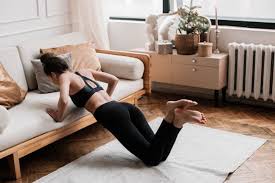
Calisthenics For Beginners
Calisthenics for beginners involves using your own body weight for exercises. It focuses on fundamental movements to build strength, improve flexibility, and boost overall fitness without needing much equipment. Start with basic exercises like squats, push-ups (on knees if needed), and lunges to build a solid foundation.
What Is Calisthenics?
Calisthenics is a type of exercise. You use your own body weight to build strength. It’s all about movement.
Think of it as using your body as a gym. It is a way to get fit. It can also help you move better.
This type of training has been around for a long time.
The main idea is simple. You perform movements. These movements work different muscles.
You don’t need heavy weights. You can do most exercises anywhere. Your own body provides the resistance.
This resistance is what makes your muscles stronger. It also helps build endurance.
Many basic exercises are part of calisthenics. Push-ups, pull-ups, squats, and lunges are good examples. As you get stronger, you can do harder versions.
You can also try new and exciting moves. These can include handstands or muscle-ups. But it all starts with the basics.
My First Try at Bodyweight Training
I remember when I first thought about trying bodyweight exercises. It was a rainy Saturday. I felt stuck inside.
I wanted to get stronger but didn’t want to join a gym. I saw a video online of someone doing a perfect pull-up. I thought, “Wow, that looks impossible!” My arms felt like noodles just watching it.
So, I decided to start small. I went into my living room. I looked up “beginner bodyweight exercises.” The first thing I tried was a squat.
It felt okay, but I noticed my knees caved in a bit. Then I tried push-ups. I couldn’t even do one proper push-up on my toes.
My arms shook so much, and I just flopped onto the floor. It was pretty humbling. I felt a mix of frustration and a little bit of embarrassment.
But I also felt a spark of determination. I knew I had to start somewhere, even if that somewhere was on my knees doing half a push-up.
Calisthenics Moves to Start With
Squats: Great for legs and glutes. Stand with feet shoulder-width apart. Lower your hips as if sitting in a chair.
Keep your back straight.
Push-ups: Works chest, shoulders, and arms. Start on knees if needed. Lower your chest towards the floor.
Push back up.
Lunges: Good for leg strength and balance. Step forward with one leg. Lower your hips until both knees are bent.
Step back and switch legs.
Plank: Builds core strength. Hold your body straight like a board. Rest on forearms and toes.
Keep your core tight.
Why Start With Calisthenics?
There are many great reasons to choose calisthenics. One big reason is that it is very accessible. You don’t need a lot of gear.
You can do it at home. You can do it in a park. You can even do it in a hotel room.
This makes it easy to stick with.
It is also very good for your body. Calisthenics builds functional strength. This means strength you use in everyday life.
Lifting groceries, playing with kids, or climbing stairs all get easier. It improves your balance and coordination too. You learn to control your body.
This type of training can also improve your posture. It helps build a strong core. A strong core supports your spine.
This can help reduce back pain. It also makes you look and feel more confident.
Benefits of Bodyweight Training
Accessibility: Workout anywhere, anytime. No gym needed.
Functional Strength: Builds muscles used in daily tasks.
Improved Coordination: Enhances body control and balance.
Flexibility: Movements often increase range of motion.
Core Strength: Strengthens the muscles around your midsection.
Posture: Can help correct slouching and improve alignment.
Understanding Basic Movements
Before you jump into any exercise, it helps to understand the basic movements. Calisthenics uses fundamental human movements. These are patterns your body already knows.
Learning to do them well is key. It helps prevent injuries. It also makes your workouts more effective.
Let’s look at a few. The squat is a pushing motion. You push down through your legs.
The push-up is a pushing motion too. You push your body away from the ground. The pull-up (or rows) is a pulling motion.
You pull your body towards something.
The lunge is a stepping motion. It works one leg at a time. The plank is an isometric hold.
Your muscles stay tense. They don’t move much. Mastering these basic patterns sets you up for success.
It builds a strong base for harder moves later.
Movement Patterns Explained
Pushing: Moving away from an object. Examples: Push-ups, overhead press.
Pulling: Moving towards an object. Examples: Pull-ups, rows.
Hinging: Bending at the hips. Examples: Deadlifts (though often weighted), good mornings.
Squatting: Bending at hips and knees. Examples: Bodyweight squats, deep squats.
Carrying: Moving with a load. Examples: Farmer’s walks (can be done with weights or even heavy objects).
Rotating: Twisting the torso. Examples: Russian twists, wood chops.
Building Your First Routine
Creating a routine does not need to be hard. Start simple. Aim for a few exercises.
Do them 2-3 times a week. Make sure you have a rest day in between.
A good starting point is to pick one exercise for each main body part. For legs, try squats. For your chest and arms, try push-ups.
For your back, try inverted rows (using a sturdy table or low bar). For your core, try planks.
Aim for 2-3 sets of each exercise. Do about 8-12 repetitions. For planks, hold for 20-30 seconds.
Rest for about 60 seconds between sets. This gives your muscles time to recover.
Listen to your body. If something hurts, stop. It’s better to do fewer reps correctly than many reps with bad form.
You will get stronger over time. You can add more exercises or reps as you go.
Sample Beginner Routine (Perform 2-3 times/week)
Warm-up: 5-10 minutes of light cardio (jogging in place, jumping jacks) and dynamic stretches (arm circles, leg swings).
- Bodyweight Squats: 3 sets of 10-12 reps
- Knee Push-ups: 3 sets of as many reps as possible (AMRAP) with good form
- Inverted Rows (use sturdy table): 3 sets of 8-10 reps
- Plank: 3 sets, hold for 30 seconds
- Glute Bridges: 3 sets of 12-15 reps
Cool-down: 5-10 minutes of static stretching (hold stretches for 30 seconds).
The Importance of Form
This is super important. Doing exercises the right way matters a lot. Good form protects you from getting hurt.
It also makes sure you work the muscles you want to work.
Think about a squat again. If your knees go way past your toes, or your back rounds, that’s not good. You might feel it in your knees or back instead of your legs and glutes.
It’s better to do fewer squats with perfect form.
For push-ups, keep your body in a straight line. Don’t let your hips sag. Don’t stick your butt up in the air.
Keep your core tight. This makes the exercise work your whole body.
Many online videos show correct form. Watch them carefully. You can also record yourself doing the exercises.
Then compare your video to the correct examples. This helps you see where you can improve.
Form Checkpoints
Squats: Keep chest up, back straight. Knees track over toes, not collapsing inward. Go as deep as comfortable without pain.
Push-ups: Maintain a straight line from head to heels. Core engaged. Elbows tucked slightly, not flaring out wide.
Plank: Body forms a straight line. Don’t let hips sag or rise too high. Engage glutes and abs.
Lunges: Front knee over ankle, back knee drops towards floor. Torso upright. Avoid leaning too far forward.
Progression: How to Get Stronger
Once you can do your beginner routine easily, it’s time to progress. You need to challenge your muscles more. This is how they grow stronger.
There are several ways to do this. You can do more repetitions. If you did 10 squats, try for 12 or 15.
You can also do more sets. If you did 3 sets, try 4 sets.
Another way is to reduce rest time. Instead of resting for 60 seconds, try 45 seconds. This makes your workout more intense.
You can also try harder variations of exercises.
For push-ups, you can move from knee push-ups to incline push-ups (hands on a raised surface like a chair or counter). Then you can try full push-ups on your toes. For squats, you can try jump squats or pistol squat progressions.
Listen to your body. Progress gradually. Trying to do too much too soon can lead to injury.
Celebrate small wins along the way!
Ways to Progress
Increase Reps: Do more repetitions per set.
Increase Sets: Add more sets to each exercise.
Decrease Rest: Shorten the time between sets.
Harder Variations: Move to more challenging versions of exercises.
Increase Time Under Tension: Slow down the movement, especially the lowering (eccentric) part.
Add Tempo: Introduce pauses at certain points in the movement.
Calisthenics and Flexibility
Calisthenics isn’t just about strength. It’s also great for your flexibility. Many exercises naturally increase your range of motion.
Think about a deep squat. To do it well, your hips, knees, and ankles need to be flexible.
The act of moving your body through a full range of motion helps. It keeps your joints healthy. It also makes everyday movements feel smoother.
You might find you can reach things more easily or bend down without feeling stiff.
Adding specific stretching is also a good idea. You can do dynamic stretches before your workout. These prepare your muscles for movement.
Think of arm circles or leg swings. After your workout, do static stretches. Hold each stretch for about 30 seconds.
Improving flexibility can also help prevent injuries. It allows your muscles to move more freely. This is especially important when you start trying more complex calisthenics moves.
Flexibility Focus
Dynamic Stretches (Before Workout): Arm circles, leg swings, torso twists, high knees.
Static Stretches (After Workout): Hamstring stretch, quad stretch, shoulder stretch, chest stretch.
Hold Time: Aim for 30 seconds per static stretch.
Breathing: Breathe deeply and relax into each stretch.
Common Beginner Mistakes to Avoid
When starting out, it’s easy to make a few common errors. Being aware of them can help you avoid them. This saves you time and prevents injury.
One mistake is doing too much too soon. You might see others doing impressive moves and try to copy them. Your body needs time to adapt.
Start slow and build up. Consistency is more important than intensity at first.
Another mistake is ignoring form. As we talked about, bad form can lead to injuries. It also means you’re not working the right muscles.
Always prioritize doing an exercise correctly over doing many repetitions.
Not warming up or cooling down is also a mistake. Warming up prepares your body for exercise. It increases blood flow and muscle temperature.
Cooling down helps your body recover. It can reduce stiffness.
Finally, not being patient is a common issue. Building strength and skill takes time. You won’t see drastic changes overnight.
Trust the process. Keep showing up, and you will see results.
Mistakes to Watch For
Too Much Too Soon: Starting with too much volume or intensity.
Poor Form: Performing exercises incorrectly, risking injury.
Skipping Warm-up/Cool-down: Neglecting preparation and recovery.
Impatience: Expecting quick results and getting discouraged.
Ignoring Pain: Pushing through sharp or persistent pain.
Lack of Consistency: Irregular workouts hinder progress.
Nutrition for Calisthenics Beginners
What you eat plays a big role in how you feel and perform. For calisthenics, you need good fuel. This helps your muscles repair and grow.
It also gives you energy for your workouts.
Focus on whole, unprocessed foods. This includes lean proteins, complex carbohydrates, and healthy fats. Protein is vital for muscle repair.
Foods like chicken, fish, beans, and tofu are good sources.
Carbohydrates give you energy. Choose sources like oats, brown rice, and sweet potatoes. They provide sustained energy for your workouts.
Healthy fats are important too. Avocados, nuts, seeds, and olive oil are great choices. They help with hormone production and nutrient absorption.
Stay hydrated. Drink plenty of water throughout the day. This is crucial for all bodily functions, especially during exercise.
You don’t need fancy supplements. Focus on a balanced diet. This will provide everything you need to start.
Eating well will make your workouts more effective.
Fueling Your Body
Protein: Essential for muscle repair. (Chicken, fish, beans, lentils, tofu, eggs)
Complex Carbs: Provide lasting energy. (Oats, brown rice, quinoa, sweet potatoes, whole grains)
Healthy Fats: Support hormone function and absorption. (Avocado, nuts, seeds, olive oil, fatty fish)
Fruits & Vegetables: Rich in vitamins, minerals, and antioxidants. (Berries, apples, bananas, spinach, broccoli, carrots)
Hydration: Drink water consistently throughout the day.
When to Seek Professional Help
While calisthenics is generally safe, there are times when you should seek expert advice. If you have any pre-existing health conditions, it’s wise to talk to your doctor before starting a new exercise program.
If you experience sharp, persistent pain during or after exercise, don’t ignore it. This could be a sign of injury. A physical therapist or a qualified personal trainer can assess your movement and help you correct any issues.
If you’re unsure about proper form for certain exercises, a trainer can be invaluable. They can watch you perform the movements and give you personalized feedback. This guidance can make a big difference in your progress and safety.
Sometimes, you might hit a plateau. You feel like you’re not getting stronger. A coach can help you adjust your training.
They can introduce new techniques or exercises to help you break through.
When to Consult Experts
Pre-existing Health Conditions: Always check with your doctor first.
Persistent Pain: Sharp or ongoing pain needs professional evaluation.
Form Concerns: If you’re unsure about doing exercises correctly.
Injury Recovery: After an injury, work with a therapist.
Stalled Progress: When you feel stuck and can’t improve.
Advanced Goals: For learning complex skills like handstands or muscle-ups.
Consistency is Key
This is perhaps the most important tip. Calisthenics is a journey. You won’t become a master overnight.
The biggest factor in your success will be consistency.
Aim to exercise regularly. Even short, frequent workouts are better than one long, infrequent session. Find a schedule that works for you and stick to it.
Don’t get discouraged if you miss a workout. Life happens. Just get back on track with your next scheduled session.
One missed workout won’t derail your progress.
Celebrate your achievements. Notice how much stronger you are getting. See how your movements are improving.
These small victories will keep you motivated. Consistency builds momentum. Momentum leads to lasting change.
Making Consistency Work
Set Realistic Goals: Don’t aim for perfection from day one.
Schedule Workouts: Treat them like important appointments.
Find Your “Why”: Remember your reasons for starting.
Track Progress: Seeing how far you’ve come is motivating.
Be Kind to Yourself: Allow for rest days and occasional slip-ups.
Find a Buddy: Sometimes a workout partner helps with accountability.
Beyond the Basics: What’s Next?
Once you feel comfortable with the beginner exercises and routine, you can explore more. There are many exciting calisthenics skills to learn. These might include:
Pull-ups: A fundamental upper body exercise. You can start with assisted pull-ups or negative pull-ups.
Dips: Great for chest, shoulders, and triceps. You can do these on chairs or parallel bars.
Handstands: Requires balance, shoulder strength, and core control. Start with wall-assisted handstands.
Levers: Exercises like the front lever and back lever build incredible back and core strength.
Remember that each new skill takes time and dedicated practice. Break down complex movements into smaller parts. Focus on mastering each step before moving on.
The journey of calisthenics is continuous learning. It’s about challenging yourself and discovering what your body can do. Enjoy the process of getting stronger and more capable.
Future Calisthenics Goals
Pull-up Variations: Chin-ups, wide-grip pull-ups, muscle-ups.
Dip Variations: Ring dips, weighted dips.
Handstand Progressions: Freestanding handstands, handstand push-ups.
Leg Strength: Pistol squats, shrimp squats.
Core Mastery: Dragon flags, levers.
Conclusion
Starting calisthenics is a fantastic decision for your health. It’s a rewarding path that builds strength and confidence. Remember to start slow, focus on form, and be consistent.
You have the power within you to begin this journey. Enjoy the process of discovering what your body can achieve.
Frequently Asked Questions about Calisthenics for Beginners
How long does it take to see results with calisthenics?
You can start feeling stronger and more energetic within a few weeks of consistent training. Visible muscle definition and significant strength gains typically take 2-3 months or more, depending on your effort, consistency, and diet.
Do I need any equipment to start calisthenics?
No, you don’t need any equipment to start. Your body weight is your primary tool. As you progress, you might consider a pull-up bar or resistance bands, but they are not essential for beginners.
What if I can’t do a full push-up yet?
That’s completely normal! Start with knee push-ups or incline push-ups (hands on a raised surface like a table or counter). Focus on good form and gradually progress as your strength increases.
You can also do negative push-ups, where you jump to the top position and slowly lower yourself down.
How many days a week should beginners do calisthenics?
For beginners, 2-3 days a week is a great starting point. This allows your muscles time to recover and rebuild. Make sure to have at least one rest day between workouts targeting the same muscle groups.
Is calisthenics good for weight loss?
Yes, calisthenics can be very effective for weight loss when combined with a healthy diet. It builds muscle, which boosts your metabolism. The calorie expenditure during workouts also contributes to weight loss.
Consistency and a calorie deficit are key.
Can I combine calisthenics with other forms of exercise?
Absolutely! Many people combine calisthenics with cardio exercises like running or cycling, or with weightlifting. This approach can lead to well-rounded fitness.
Just ensure you manage your overall training volume to avoid overtraining.

Related Posts
Quick Workout Before Work
15 Minute Home Workout