
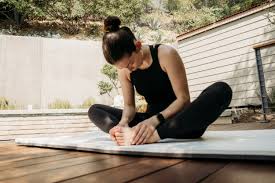
This guide will show you how. We’ll explore gentle ways to help your muscles relax and move better. You’ll learn simple movements you can do anywhere.
Get ready to feel more fluid and at ease.
A home workout for flexibility focuses on gentle movements and stretches that increase your range of motion. These exercises help muscles relax and joints move more freely. You can do them without special equipment, improving your overall comfort and movement throughout the day.
Understanding Flexibility
Flexibility is your body’s ability to bend and move. It lets your muscles and joints reach their full range of motion. Think of it like a rubber band.
A good rubber band can stretch and snap back. A stiff, old one might break if you pull too hard.
Our bodies need this stretchiness. It helps us do everyday things. Picking up something from the floor.
Reaching for a shelf. Even just sitting up straight. When we lose flexibility, these things can feel hard.
We might feel aches and pains.
Many things can make us less flexible. Sitting too much is a big one. So is not moving much.
Injuries can also play a part. Even stress can make your muscles tense up. This tenses state reduces how much you can move.
The good news is that flexibility can be improved. It takes a little effort. But the rewards are huge.
Better movement. Less pain. A greater sense of ease in your body.
You don’t need a fancy gym. Your living room will do just fine.
My Own Stiff Story
I remember a time when touching my toes felt like a distant dream. I’d sit at my desk for hours. My back would ache.
My shoulders felt tight. Even simple tasks like tying my shoes felt like a chore. I thought I was just destined to be a bit creaky.
Then, one rainy Saturday, I decided to try something new. I found a simple stretching video online. It wasn’t intense.
It just asked me to move gently. I felt silly at first. My body protested a bit.
But I kept going.
After a few weeks, I noticed a small change. I could reach a little further. My morning stiffness felt less intense.
It wasn’t a sudden, dramatic shift. It was a slow, steady gain. That feeling of accomplishment was amazing.
It showed me that progress is possible, even when you feel stuck.
Why Flexibility Matters
Better Posture: Stretches help align your body. This can fix slouching.
Reduced Pain: Tight muscles often cause aches. Looser muscles mean less pain.
Improved Performance: Whether for sports or daily tasks, better movement helps.
Stress Relief: Gentle movement can calm your mind and body.
The Core Movements: Gentle Stretches
Let’s talk about the best ways to start. We want moves that are safe and effective. These are gentle ways to wake up your muscles.
They help your joints move smoothly.
Remember to breathe. Deep breaths help your muscles relax. Inhale as you prepare to move.
Exhale as you stretch. Don’t push too hard. You should feel a gentle pull, not sharp pain.
Neck Rolls
Start with your head. Gently drop your chin to your chest. Feel the stretch in the back of your neck.
Slowly roll your right ear towards your right shoulder. Hold for a breath. Then roll your chin back to your chest.
Now roll your left ear towards your left shoulder. Repeat this 3-5 times in each direction.
Shoulder Rolls
Stand or sit tall. Bring your shoulders forward in a circle. Make them go up towards your ears, then back, then down.
Do this 5-10 times. Then, reverse the direction. Roll them back, up, forward, and down.
This helps loosen the muscles around your shoulders and upper back.
Arm Circles
Extend your arms out to the sides, like wings. Make small circles with your hands. Go forward 10 times.
Then backward 10 times. Gradually make the circles bigger if it feels comfortable. This wakes up your shoulder joints and the muscles in your arms.
Torso Twists
Stand with your feet shoulder-width apart. Keep your hips steady. Gently twist your upper body to the right.
Then twist to the left. Imagine your spine is a wet towel you are wringing out. Do this about 10-15 times per side.
This helps your spine stay mobile.
Cat-Cow Pose
Get on your hands and knees. Your hands should be under your shoulders. Your knees should be under your hips.
As you inhale, drop your belly towards the floor. Lift your head and chest. This is the “cow” pose.
As you exhale, round your spine towards the ceiling. Tuck your chin to your chest. This is the “cat” pose.
Flow between these two poses for 5-10 breaths. This move is great for your entire spine. It warms it up nicely.
Hamstring Stretch (Seated)
Sit on the floor. Extend one leg straight out. Bend the other knee and place the sole of your foot against your inner thigh.
Lean forward from your hips towards the extended leg. Keep your back straight. Reach towards your toes.
Hold for 20-30 seconds. Feel the stretch in the back of your thigh. Repeat on the other leg.
Quad Stretch (Standing)
Stand near a wall or chair for balance. Hold onto it if you need to. Bend one knee.
Bring your heel towards your buttock. Reach back with the same hand and gently grasp your ankle or foot. Keep your knees close together.
Feel the stretch in the front of your thigh. Hold for 20-30 seconds. Repeat on the other leg.
Calf Stretch
Stand facing a wall. Step one foot back. Keep both heels on the floor.
Bend your front knee slightly. Lean into the wall. You should feel a stretch in the back calf of your straight leg.
Hold for 20-30 seconds. Switch legs and repeat.
Quick-Scan Table: Daily Mobility Boosters
| Movement | Focus Area | Reps/Time |
|---|---|---|
| Neck Rolls | Neck | 3-5 each way |
| Shoulder Rolls | Shoulders, Upper Back | 10-15 each way |
| Arm Circles | Shoulders | 10 forward, 10 back |
| Torso Twists | Spine | 10-15 each side |
| Cat-Cow | Spine | 5-10 breaths |
| Seated Hamstring | Hamstrings | 20-30 sec per leg |
| Standing Quad | Quads | 20-30 sec per leg |
| Calf Stretch | Calves | 20-30 sec per leg |
Making Your Home a Flex Zone
You don’t need a lot of space for these moves. Your living room, a bedroom, or even a hallway can work. The key is creating a little dedicated time and space.
Consider putting down a yoga mat. It gives you a soft surface. It also marks your personal space.
Many people find that having a visual cue helps them stick to a routine.
Think about the time of day. Some people like to stretch first thing in the morning. This can help shake off sleepiness.
Others prefer to unwind with stretches in the evening. Many find doing them after a short walk or other light activity helps. Their muscles are already warm.
Music can also help. Gentle, calming music can make the experience more pleasant. It can help you focus on your breath and your body.
It can also help you set a pace.
Most importantly, be consistent. Even 10-15 minutes a day can make a big difference. It’s better to do a little bit often than to do a lot once in a while.
Your body will thank you for the regular care.
Beyond the Basics: Dynamic Moves
Once you’re comfortable with the basic stretches, you can add some dynamic movements. These are active movements. They help prepare your body for more.
They also improve your range of motion as you move.
Leg Swings
Stand near a wall or chair for support. Swing one leg forward and backward. Keep your core engaged.
Start with small swings. Gradually increase the range as you feel comfortable. Do 10-15 swings.
Then switch legs. This helps your hip joints and leg muscles.
Lateral Leg Swings
Facing the wall or chair, swing one leg across your body. Then swing it out to the side. Keep your body stable.
This targets the inner and outer thigh muscles. Do 10-15 swings per leg. This improves hip mobility.
Walking Lunges
Step forward with one leg. Lower your hips until both knees are bent at about a 90-degree angle. Your front knee should be over your ankle.
Your back knee should hover just off the floor. Push off your back foot and step forward into another lunge with the other leg. Take 10-12 lunges per leg.
This works your hips, quads, and hamstrings.
Arm Swings with Torso Rotation
Stand with feet shoulder-width apart. Let your arms hang loosely. Gently swing your arms from side to side.
Allow your torso to twist naturally with the swing. Keep your movements fluid and controlled. Do this for about 30 seconds.
This combines shoulder and torso mobility.
Contrast Matrix: Static vs. Dynamic Stretching
Static Stretching
- Holding a stretch for a period of time (e.g., 20-30 seconds).
- Best done after a workout or when muscles are warm.
- Helps increase overall flexibility and range of motion.
- Examples: Holding a hamstring stretch.
Dynamic Stretching
- Active movements through a range of motion.
- Best done as a warm-up before exercise.
- Prepares muscles for activity and improves performance.
- Examples: Leg swings, arm circles.
Breathing and Mindfulness
How you breathe during stretching is super important. Deep, calm breaths signal to your body that it’s safe to relax. When we hold our breath, our muscles tense up.
That’s the opposite of what we want for flexibility.
Try to breathe in through your nose. Feel your belly expand. Then exhale slowly through your mouth.
Let the tension leave your body with the breath. This mindful breathing makes your stretching more effective. It also helps calm your mind.
Focusing on your body during these stretches is also key. What do you feel? Where do you feel it?
Are there any tight spots? Just observe without judgment. This awareness helps you understand your body better.
It helps you know where you need to focus your efforts.
When you stretch, try to be present. Let go of worries about work or chores. For these few minutes, just be with your body.
This mindfulness aspect adds another layer of benefit. It’s not just about the physical stretch. It’s also about mental release.
When to Be Cautious
While stretching is generally safe, there are times to be careful. If you have an injury, talk to your doctor or a physical therapist first. They can advise you on what is safe to do.
If you feel sharp pain, stop the stretch immediately. A gentle pull is good. Pain is a warning sign.
Pushing through pain can lead to more injuries. It can cause muscle tears or strains.
For very stiff joints or certain medical conditions, consult a healthcare professional. They can guide you on specific exercises or modifications. For example, someone with severe arthritis might need different approaches than a generally healthy person.
Always listen to your body. It knows its limits. Respect those limits.
Flexibility is a journey, not a race. Gradual progress is the safest and most effective way to go.
Observational Flow: Building a Routine
- Morning Wake-Up: 5 minutes of gentle neck, shoulder, and torso movements.
- Mid-Day Break: Stand up, do a quick calf stretch or seated hamstring stretch.
- Evening Wind-Down: 10-15 minutes of static stretches focusing on major muscle groups (legs, back, shoulders).
- Add Dynamic Moves: On days you feel energetic, incorporate leg swings before a walk.
- Consistency is Key: Aim for some form of movement daily, even if it’s just 2 minutes.
Making it Stick: Tips for Consistency
Sticking with any new habit can be tough. Here are some ideas to help you make your home flexibility workout a regular thing.
Schedule It
Put it in your calendar. Treat it like an important appointment. This makes it harder to skip.
Even 10 minutes is better than nothing.
Start Small
Don’t try to do an hour of stretching on day one. Begin with 5-10 minutes. As you feel more comfortable and see results, you can gradually increase the time.
Find a Buddy
If you can, find a friend or family member who also wants to improve flexibility. You can encourage each other. You can even do some stretches together virtually.
Track Your Progress
Keep a simple journal. Note down what stretches you did and how they felt. You might notice improvements over time.
Seeing your progress can be a great motivator.
Reward Yourself
Set small goals. When you reach them, give yourself a small reward. Maybe it’s a relaxing bath, a favorite book, or a healthy treat.
This positive reinforcement helps build good habits.
Make it Enjoyable
Listen to music you love. Stretch in a place with a nice view if you can. If you dread it, you won’t stick with it.
Find ways to make it a pleasant part of your day.
Stacked Micro-Sections: Benefits at a Glance
Joint Health: Keeps joints lubricated and moving smoothly.
Muscle Tone: Helps maintain healthy muscle length and prevent shortening.
Injury Prevention: More flexible muscles are less prone to strains.
Improved Circulation: Gentle movement can boost blood flow.
Mental Well-being: Reduces stress and promotes relaxation.
Common Concerns and How to Address Them
It’s normal to have questions when starting something new. Here are a few common concerns people have about home flexibility workouts.
“I don’t have enough time.”
Remember, even 5-10 minutes can make a difference. Break it up. Do 2 minutes while your coffee brews.
Do another 3 minutes before bed. Small bits add up. Think of it as an investment in your well-being.
“I’m not flexible at all. It feels impossible.”
Everyone starts somewhere. Your current level is your starting point. Focus on small improvements.
The goal is progress, not perfection. You’re just trying to move a little better than yesterday.
“Will this make me sore?”
You might feel a little muscle soreness, especially at first. This is usually mild. It means your muscles are adapting.
If the soreness is severe or lasts more than a day or two, you might be pushing too hard. Ease up.
“Do I need special equipment?”
No! That’s the beauty of a home workout for flexibility. You can use your own body weight.
A mat is helpful but not required. A sturdy chair can be used for balance.
“What if I have a bad knee/back/shoulder?”
Always consult a healthcare professional first. They can recommend safe exercises. You can often modify moves.
For example, instead of a deep lunge, you might do a shallower one or a step-up.
The Long-Term Picture
Improving flexibility isn’t just about feeling good today. It’s about investing in your long-term health. As we age, our muscles naturally tend to shorten and stiffen.
Regular stretching helps counteract this. It helps maintain independence and mobility.
Think about the activities you enjoy. Do you like gardening? Playing with grandkids?
Traveling? Maintaining good flexibility makes all these activities easier and more enjoyable. It reduces the risk of falls and injuries.
A home workout for flexibility is a simple, powerful tool. It’s accessible to almost everyone. It doesn’t require a big time commitment or expensive gear.
It’s a way to show your body kindness and keep it functioning well for years to come.
Frequently Asked Questions
How often should I do flexibility exercises at home?
It’s best to aim for some form of flexibility exercise most days of the week. Even 5-10 minutes daily can be very effective. Consistency is more important than duration.
What’s the difference between stretching and flexibility?
Stretching is the action you do. Flexibility is the result. Stretching helps improve your flexibility, which is your body’s ability to move freely.
Can I improve flexibility if I’m overweight?
Yes, absolutely! Start with gentle stretches that feel comfortable. Focus on movements that don’t put extra strain on your joints.
Many people find that improving flexibility helps them move more easily with their weight.
Is it okay to stretch if I’m cold?
It’s generally better to do some light movement or warm-up before stretching. This increases blood flow to your muscles. You can do a few minutes of walking in place or arm circles.
This prepares your muscles for stretching.
How long does it take to see results in flexibility?
You might notice small changes within a few weeks. However, significant improvements can take months of consistent practice. Be patient with yourself.
Celebrate small wins along the way.
Should I hold my stretches or bounce?
You should generally hold stretches (static stretching) for 20-30 seconds without bouncing. Bouncing, known as ballistic stretching, can increase the risk of injury. Dynamic stretching involves controlled movements and is often used as a warm-up.
Bringing It All Together
Creating a flexible body from home is totally achievable. It starts with small, consistent steps. Gentle movements and mindful breathing are your best friends here.
You’ve got this! Your body will respond positively to this care. Enjoy the journey to feeling more open and at ease in your everyday life.

Leave a Reply