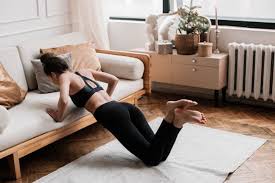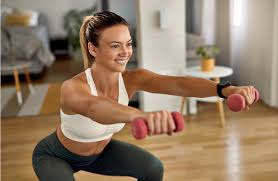
Dumbbell Workout At Home
You’ve decided to bring the gym home. That’s fantastic! Maybe you’re short on time, or you just prefer the comfort of your own space.
But now you’re looking at those dumbbells and wondering, “What next?” It’s easy to feel a little lost when you’re not sure where to start. You want to get a good workout, see results, and feel strong, but the sheer number of options can be overwhelming. Let’s break it down together so you can build a solid dumbbell routine right in your living room.
A dumbbell workout at home can be highly effective for building strength and muscle. It involves a variety of exercises targeting different muscle groups, requiring focus on proper form and progressive overload. You can achieve a full-body routine using just a few key dumbbell movements.
Understanding Home Dumbbell Workouts
What exactly is a dumbbell workout at home? It’s simply using dumbbells as your primary piece of equipment to exercise in your own house. You don’t need a fancy gym.
Your living room, a spare bedroom, or even a garage can become your fitness space. The goal is to use these weights to challenge your muscles. This challenge is what makes them grow stronger and bigger.
Why does this matter? Because it offers a way to stay fit and healthy that fits your life. You can do it early in the morning before anyone wakes up.
Or perhaps in the evening after a long day. There are no travel times to the gym. No waiting for machines.
Just you and your dumbbells, ready to go.
This guide will walk you through the basics. We’ll cover essential exercises. We’ll talk about how to do them safely.
You’ll learn how to create a routine that works for your body. By the end, you’ll feel confident picking up those weights and getting a great workout.
The Building Blocks: Essential Dumbbell Exercises
To get a full-body workout, you need to hit all the major muscle groups. Dumbbells are surprisingly versatile. They let you do exercises for your legs, chest, back, shoulders, and arms.
We’ll start with the classics. These are movements that give you the most bang for your buck.
Think of these as the core moves. Once you master them, you can add more. But for now, focus on these.
They are the foundation of a great home dumbbell routine. Proper form is key here. It’s better to do fewer reps with good form than many reps with bad form.
Bad form can lead to injuries.
We’ll go over each exercise. We’ll explain what muscles it works. We’ll also give you tips on how to do it right.
Remember to start with weights that feel challenging but allow you to maintain good form. You can always increase the weight later.
Lower Body Power: Squats and Lunges
Your legs are your body’s largest muscle group. Working them is crucial for overall strength. Dumbbells make leg exercises even more effective.
Goblet Squat: This is a fantastic way to work your quads, glutes, and hamstrings. Hold one dumbbell vertically at your chest with both hands. Stand with your feet shoulder-width apart.
Keep your back straight and chest up. Lower your hips as if sitting into a chair. Go as low as you can comfortably.
Then, push through your heels to stand back up. Your knees should track over your toes. Don’t let them cave inward.
This is a great move for building leg strength and power.
Goblet Squat Tips
Weight Placement: Hold the dumbbell securely at your chest. This helps you stay balanced.
Core Engagement: Keep your stomach muscles tight. This supports your back.
Depth: Aim for your thighs to be parallel to the floor. Go deeper if you can without pain.
Breathing: Inhale as you go down. Exhale as you push up.
Dumbbell Lunges: Lunges work your legs one at a time. This helps with balance and targets your quads, glutes, and hamstrings. Hold a dumbbell in each hand.
Stand tall. Step forward with one leg. Lower your body until both knees are bent at about 90 degrees.
Your front knee should be over your ankle. Your back knee should hover just off the floor. Push off your front foot to return to the starting position.
Repeat on the other side. You can also do reverse lunges by stepping backward.
Lunge Form Check
Knee Position: Never let your front knee go past your toes. Keep it aligned over your ankle.
Torso: Stay upright. Avoid leaning too far forward.
Stride Length: Find a step length that allows you to reach the 90-degree bend without overreaching.
These two exercises alone provide a powerful workout for your lower body. They are compound movements, meaning they work multiple muscles at once. This makes them very efficient for building strength and burning calories.
Upper Body Push: Chest and Shoulders
For your upper body pushing muscles, we’ll focus on your chest and shoulders. These are often worked together.
Dumbbell Bench Press: You don’t need a bench to do this effectively. You can perform it on the floor. Lie on your back with your knees bent and feet flat on the floor.
Hold a dumbbell in each hand, palms facing each other. Extend your arms straight up above your chest. Lower the dumbbells slowly towards your chest.
Keep your elbows at about a 45-degree angle from your body. Touch your elbows to the floor if you can. Then, push the dumbbells back up to the starting position.
This works your chest, shoulders, and triceps.
Floor Press Benefits
Shoulder Safety: The floor limits how far down your arms can go. This can be safer for your shoulders.
Core Stability: Keep your glutes squeezed and back pressed lightly into the floor.
Mind-Muscle Connection: Focus on squeezing your chest muscles as you press up.
Dumbbell Overhead Press: This is a key exercise for building strong shoulders. Stand or sit. Hold a dumbbell in each hand at shoulder height.
Your palms should face forward. Keep your core tight. Press the dumbbells straight up overhead.
Stop when your arms are fully extended. Lower them back down slowly to the starting position. Make sure your back stays straight.
Don’t arch it excessively. This targets your deltoids (shoulder muscles) and triceps.
Overhead Press Tips
Elbow Position: Start with elbows slightly in front of your body, not directly out to the sides. This protects your shoulders.
Controlled Movement: The lowering phase (eccentric) is just as important as the lifting phase. Control the weight.
Breathing: Exhale as you press up. Inhale as you lower the weight.
These exercises will give your chest and shoulders a solid workout. They help create that strong upper body look and feel.
Upper Body Pull: Back and Biceps
Working your back and biceps is essential for posture and a balanced physique. Pulling movements are key here.
Dumbbell Rows: This exercise is excellent for your upper back muscles, including your lats and rhomboids, as well as your biceps. You can do this in a few ways. A common one is the single-arm dumbbell row.
Place one knee and one hand on a stable surface, like a sturdy chair or couch. Let the dumbbell hang straight down from your other arm, palm facing your body. Keep your back straight and your core engaged.
Pull the dumbbell up towards your chest. Squeeze your shoulder blade at the top. Lower the dumbbell slowly back down.
Repeat on the other side. Ensure your body forms a straight line from your head to your heel.
Single-Arm Row Technique
Back Angle: Try to keep your torso roughly parallel to the floor if possible. This allows for a good range of motion.
Shoulder Blade Squeeze: Focus on pulling with your back muscles. Think about bringing your elbow towards your hip.
Neck Alignment: Keep your neck neutral. Don’t crane your head up or let it drop.
Dumbbell Bicep Curls: This classic targets your biceps. Stand with a dumbbell in each hand, arms at your sides, palms facing forward. Keep your elbows tucked close to your body.
Curl the weights up towards your shoulders. Squeeze your biceps at the top. Slowly lower the dumbbells back down.
Avoid swinging the weights. If you need to swing, the weight is too heavy. This exercise directly works the biceps muscles.
Bicep Curl Focus
No Swinging: Resist the urge to use momentum. Keep the movement controlled by your biceps.
Full Range of Motion: Let the weight go all the way down. Fully extend your arms.
Elbows Stay Put: Your elbows should remain in place throughout the movement. They act as a hinge.
These pulling movements are vital for balancing out the pushing exercises. They contribute to good posture and a strong, capable physique.
Core Strength: The Stabilizers
While many dumbbell exercises engage your core, some directly target it.
Dumbbell Russian Twists: Sit on the floor with your knees bent and feet flat or slightly lifted. Hold one dumbbell with both hands in front of your chest. Lean back slightly, keeping your back straight.
Your core should be engaged. Twist your torso to one side, bringing the dumbbell towards the floor. Then, twist to the other side.
This movement works your oblique muscles, which are on the sides of your abdomen. It helps create a strong and stable core.
Russian Twist Execution
Controlled Twist: Move your torso, not just your arms. Keep your hips relatively stable.
Breathing: Exhale as you twist. Inhale as you return to center.
Feet Position: Lifting your feet makes the exercise harder. Keep them on the floor if you’re a beginner.
A strong core is essential for almost every movement, whether it’s lifting weights or just daily activities. It supports your spine and helps prevent injuries.
Creating Your Home Dumbbell Routine
Now that you know the exercises, how do you put them together? A good routine balances all these movements. It also considers your fitness level.
You can’t just do everything at once. You need a plan.
For beginners, starting with a full-body workout is often best. This means hitting all major muscle groups in one session. You can do this 2-3 times a week.
Allow a rest day between workouts. Your muscles need time to recover and grow.
Here’s a sample beginner routine. We’ll use sets and reps. A set is a group of repetitions.
A rep is one full movement of an exercise. Aim for 3 sets of 8-12 repetitions for most exercises. If an exercise feels too easy for 12 reps, it’s time for heavier weights.
If you can’t do 8 reps with good form, the weight is too heavy.
Beginner Full-Body Workout Structure
- Warm-up: 5-10 minutes of light cardio (jogging in place, jumping jacks) and dynamic stretches (arm circles, leg swings).
- Goblet Squats: 3 sets of 10-12 reps
- Dumbbell Bench Press (Floor): 3 sets of 10-12 reps
- Single-Arm Dumbbell Rows: 3 sets of 10-12 reps per arm
- Dumbbell Overhead Press: 3 sets of 10-12 reps
- Dumbbell Bicep Curls: 3 sets of 10-12 reps
- Dumbbell Russian Twists: 3 sets of 10-15 twists per side
- Cool-down: 5-10 minutes of static stretching (holding stretches for 20-30 seconds).
Rest for 60-90 seconds between sets. This allows your muscles to recover enough for the next set. Remember to listen to your body.
If something hurts, stop. Pain is your body’s signal that something is wrong.
As you get stronger, you can increase the weight, do more reps, or add more sets. You can also split your workouts. For example, you could do upper body one day and lower body the next.
This is often called a split routine. It allows you to focus more intensely on each muscle group.
Progression: Making Your Workouts Tougher
The key to continued progress is making your workouts harder over time. This is called progressive overload. Your muscles adapt to the stress you put on them.
If you keep doing the same thing, they will stop improving. You need to give them a new challenge.
How can you do this with dumbbells at home?
- Increase the Weight: This is the most straightforward method. When you can comfortably do 12 reps for all sets, it’s time to get slightly heavier dumbbells.
- Increase Repetitions: If you can’t get heavier weights, try doing more reps. Push yourself to do 13, 14, or 15 reps per set.
- Increase Sets: Add an extra set to your exercises. If you were doing 3 sets, try 4 sets.
- Decrease Rest Time: Shortening the time between sets makes the workout more metabolically demanding. Try resting for only 30-60 seconds.
- Improve Form: Sometimes, better control and a deeper range of motion make an exercise harder. Focus on squeezing the muscles more at the peak of the movement.
- Change Exercise Tempo: Slow down the lowering part of the movement (the eccentric phase). This increases time under tension, which can build muscle.
- Add Variations: Once you’ve mastered an exercise, try a slightly different version. For lunges, try walking lunges or Bulgarian split squats.
I remember when I first started training at home. I had a pair of 10-pound dumbbells. I could do tons of reps.
It felt easy. I thought I was strong. Then I went to a gym and tried a 25-pound dumbbell for bench press.
Wow! I realized I had a long way to go. It took time and effort to build up.
But gradually, I added weight. I focused on doing every rep perfectly. Slowly but surely, I saw changes.
My clothes fit better. I felt more energetic. It was the consistent effort and the increase in challenge that made the difference.
Progressive Overload Methods
Weight: Gradually lift heavier loads.
Volume: Increase the total number of reps or sets.
Density: Do more work in the same amount of time (shorter rest).
Intensity: Focus on the quality and difficulty of each repetition.
Don’t get discouraged if progress feels slow at first. Consistency is your best friend. Stick with it, and you will see results.
Safety First: Avoiding Injuries at Home
Working out at home is great, but safety is paramount. You don’t have a trainer watching your every move. So, you need to be extra mindful.
A simple mistake can lead to weeks of recovery. And that means missing workouts. We don’t want that!
One of the biggest risks is using weights that are too heavy. If you can’t maintain good form, drop the weight. It’s much better to do 10 perfect reps than 5 sloppy ones.
Your muscles need the correct stimulus, and that comes from proper movement patterns.
Another common issue is rushing through exercises. Especially the lowering part. The eccentric phase of a lift, when you’re lowering the weight, is just as important for building muscle.
Lowering the weight too fast can also increase your risk of injury. Control the descent. Let gravity do some work, but guide the weight.
I once tried to do a dumbbell snatch too quickly. I was trying to impress myself, I guess. I felt a sharp pain in my shoulder.
It wasn’t a major injury, thankfully, but it sidelined me for a few days. It taught me a valuable lesson: control and patience are key. Speed without control is dangerous.
Make sure your workout area is clear. Tripping over a rug or a stray dumbbell can happen. Clear any clutter.
Ensure you have enough space to move freely. If you’re doing floor presses, make sure the floor is clean and dry. For lunges, ensure you have stable footing.
Warm-ups and cool-downs are non-negotiable. A good warm-up prepares your muscles and joints for exercise. It increases blood flow and reduces stiffness.
A cool-down helps your heart rate return to normal and can improve flexibility over time. Don’t skip these steps!
Home Workout Safety Checklist
Clear Space: Ensure no obstacles are in your workout path.
Proper Footing: Wear appropriate shoes. Make sure your floor surface is stable.
Controlled Movements: Focus on form over speed. Especially on the way down.
Listen to Your Body: Stop if you feel sharp pain. Differentiate between muscle fatigue and injury pain.
Appropriate Weights: Choose weights that challenge you but allow perfect form.
If you have any pre-existing conditions or health concerns, it’s always a good idea to consult with a doctor before starting a new workout program. They can offer personalized advice.
When is a Dumbbell Workout at Home Enough?
This is a question many people ask. Can you really build a great physique with just dumbbells at home? The answer is yes, for many people.
If your goals are general fitness, building muscle tone, and improving overall strength, a well-structured dumbbell program is absolutely sufficient.
For example, if you want to look good in your clothes, feel healthier, and have more energy, home dumbbell workouts can get you there. You can achieve a strong, lean physique without ever stepping foot in a commercial gym.
However, there are times when a gym might offer advantages. If your primary goal is maximal muscle hypertrophy (building very large muscles) or extreme strength gains, you might eventually need access to heavier weights or specialized machines. Some lifts, like heavy barbell squats or deadlifts, are hard to replicate perfectly with dumbbells alone, especially as you get very advanced.
Also, variety is the spice of life, and a gym offers more machines and equipment. This can provide different types of stress and stimulate muscles in new ways. But for the vast majority of fitness goals, especially for people training at home, dumbbells are incredibly powerful tools.
Consider your personal goals and preferences. If you enjoy your home workouts, see progress, and feel great, then your home dumbbell routine is not just enough – it’s perfect for you!
Home Dumbbell Workout vs. Gym
Home Convenience: Workout anytime, no travel. Save time.
Home Cost: Initial investment in dumbbells, but no ongoing membership fees.
Home Focus: Fewer distractions, easier to concentrate on your set.
Gym Variety: Wider range of equipment, heavier weights available for advanced lifters.
Gym Atmosphere: Some people are motivated by the gym environment.
Ultimately, the “best” workout is the one you’ll stick with. If home workouts with dumbbells keep you consistent and moving towards your goals, they are more than enough.
Nutrition and Recovery: The Unsung Heroes
It’s easy to focus only on the lifting part of fitness. But what you do outside of your workout is just as important. Nutrition and recovery are the pillars that support your training.
Without them, your progress will stall, no matter how hard you train.
Nutrition: Think of food as fuel for your body. To build muscle, you need protein. Protein is like the bricks for muscle repair and growth.
Aim to include a source of lean protein with every meal. Chicken, fish, beans, lentils, tofu, and eggs are great options. Carbohydrates provide energy.
They fuel your workouts. Whole grains, fruits, and vegetables are excellent sources. Healthy fats are also crucial for hormone production and overall health.
Avocados, nuts, and olive oil are good choices.
Staying hydrated is also part of good nutrition. Drink plenty of water throughout the day. Your body needs it to function optimally, especially during exercise.
A general rule is to drink half your body weight in ounces of water per day. For example, if you weigh 150 pounds, aim for 75 ounces of water.
Recovery: This is when your muscles actually repair and grow. Sleep is the most critical part of recovery. Aim for 7-9 hours of quality sleep per night.
During sleep, your body releases growth hormones and repairs muscle tissue. If you’re not sleeping enough, you’re hindering your progress. Your muscles won’t get stronger.
You’ll also feel more tired and less motivated.
Active recovery, like light walking or stretching on your rest days, can also be beneficial. It helps improve blood flow and reduce muscle soreness. Avoid intense workouts on consecutive days for the same muscle groups.
Listen to your body. If you feel extremely fatigued or sore, take an extra rest day.
I used to think that if I wasn’t sore, I hadn’t worked out hard enough. That’s a myth! While some soreness is normal, being constantly crippled by muscle pain is a sign of overtraining.
It means you’re not recovering properly. Prioritizing sleep and balanced nutrition became a game-changer for me. I started seeing more consistent strength gains when I focused on these aspects just as much as my lifting.
Nutrition & Recovery Essentials
Protein: Essential for muscle repair and growth. Aim for lean sources.
Carbohydrates: Provide energy for workouts. Choose complex carbs like whole grains.
Healthy Fats: Support hormone function and overall health. Include sources like nuts and avocados.
Hydration: Drink plenty of water throughout the day.
Sleep: Crucial for muscle repair and growth. Aim for 7-9 hours per night.
Rest Days: Allow your body time to recover. Don’t train intensely every single day.
Treating your body well outside of your dumbbell sessions will amplify your results. It’s a partnership between effort and care.
Quick Fixes & Tips for Home Dumbbell Workouts
Sometimes, you just need a few simple tips to make your home workouts even better. Here are some quick ones that can make a big difference:
- Invest in Adjustable Dumbbells: If space is limited, adjustable dumbbells are a great solution. They let you change the weight quickly. This saves space compared to having many individual dumbbell pairs.
- Use a Workout Mat: A good mat provides cushioning for floor exercises. It also adds grip and protects your floor.
- Keep a Workout Log: Track the exercises you do, the weights you lift, and the reps you achieve. This helps you see your progress and plan future workouts. It’s very motivating!
- Listen to Music or Podcasts: Find something that energizes you. This can make your workout feel less like a chore and more like fun.
- Use Bodyweight Exercises Too: Don’t forget that bodyweight exercises like push-ups, planks, and squats are also very effective. They can be used to warm up or as finishers.
- Consider a Resistance Band: Bands are inexpensive and versatile. They can be used for warm-ups, cool-downs, or even as part of your main workout for added resistance or assistance.
- Focus on Time Under Tension: Don’t just lift and drop. Control the weight throughout the entire movement. Make each rep count.
These small adjustments can help you stay consistent and make your home dumbbell workouts more effective and enjoyable. It’s all about finding what works best for you and your home environment.
Frequently Asked Questions About Home Dumbbell Workouts
How many dumbbells do I need to start with?
For beginners, a couple of pairs is often enough. One lighter pair (e.g., 5-10 lbs) for smaller muscles and higher reps, and one heavier pair (e.g., 15-25 lbs) for larger muscle groups and lower reps. Adjustable dumbbells are also a great starting point if you have the budget.
How often should I do dumbbell workouts at home?
If you’re doing full-body workouts, 2-3 times per week with at least one rest day in between is a good starting point. As you advance, you might do split routines (e.g., upper body/lower body) 4-5 times per week, ensuring you don’t work the same muscles intensely on consecutive days.
Can I build muscle with just bodyweight and dumbbells?
Yes, absolutely! For most people, bodyweight exercises combined with dumbbells provide enough stimulus to build muscle mass and strength, especially when using progressive overload. You might need very heavy dumbbells to challenge advanced lifters for certain muscle groups.
What is the best way to warm up before a dumbbell workout?
A good warm-up includes 5-10 minutes of light cardio to get your blood flowing (like jogging in place or jumping jacks) followed by dynamic stretches. Dynamic stretches involve controlled movements through a range of motion, such as arm circles, leg swings, torso twists, and walking lunges without weight.
How do I know if my dumbbell weight is too heavy or too light?
If you can easily complete 12 repetitions with perfect form and feel like you could do many more, the weight is likely too light. If you struggle to complete 8 repetitions with good form, or your form breaks down significantly before 8 reps, the weight is likely too heavy. The ideal range for muscle growth is often 8-12 reps with challenging but manageable form.
Do I need to do cardio in addition to my dumbbell workouts?
Cardio is highly beneficial for cardiovascular health, endurance, and overall fitness. While dumbbell workouts build strength and muscle, cardio helps with heart health and can aid in fat loss. You can incorporate cardio on your rest days or after your strength training sessions, depending on your goals and energy levels.
Conclusion
Bringing your fitness journey home with dumbbells is a smart and effective choice. You’ve learned about the key exercises, how to build a routine, and the importance of safety and progression. Remember, consistency is more important than perfection.
Start simple, focus on good form, and gradually challenge yourself. Your home can be your ultimate fitness sanctuary. Enjoy the journey to a stronger, healthier you!

Related Posts
Quick Workout Before Work
15 Minute Home Workout