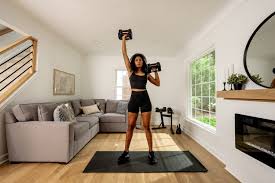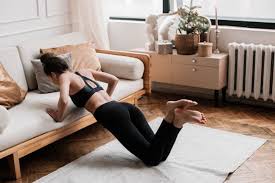
Quick Home Workout
Quick home workouts are short, efficient exercise sessions you can do in your living space. They use simple movements to build strength and stamina. These workouts are perfect for busy people who want to stay active.
You can complete them in 10-30 minutes.
The Power of Short Bursts
Our bodies love movement. Even small amounts help a lot. Think of it like eating.
A whole cake is great, but a few healthy snacks throughout the day also keep you going. Quick workouts are like those healthy snacks for your fitness.
Why do these short bursts work so well? They get your heart pumping. They wake up your muscles.
They make your brain feel better. You don’t need to sweat for an hour to see good results. Small, consistent efforts add up over time.
Many people think you need a gym or a long class to get fit. That’s a common idea. But in reality, your home is a great gym.
You have all you need right there. It’s about using what you have. It’s about making fitness work for your life, not the other way around.
Why Quick Home Workouts Matter
Life gets busy. Work, family, errands – they all take time. It’s easy to let exercise slide.
A quick home workout is a lifesaver then. It removes the excuse of “no time.” It makes fitness accessible. You can do it in your pajamas if you want!
These workouts help you manage stress too. A few minutes of movement can clear your head. It’s a way to reset your mind.
It’s also great for your mood. Exercise releases feel-good chemicals. Even a short session can make a big difference.
And let’s not forget health. Regular activity helps control weight. It’s good for your heart.
It strengthens your bones. It makes you feel more energetic overall. You don’t need huge amounts of time for these benefits.
Small, regular efforts count.
My Own Quick Workout Story
I remember a time when my schedule was just crazy. I was working late almost every night. Getting to the gym felt like a distant dream.
I’d come home exhausted. All I wanted was to sit on the couch. My fitness level started to drop.
I felt sluggish and unhappy with myself.
One evening, I was feeling particularly down. I looked around my living room. The TV was off.
The room was quiet. I thought, “What can I do right now? Just five minutes.” I put on some upbeat music.
I started doing jumping jacks. Then some squats. Then push-ups against the wall.
It wasn’t a full workout, but I felt a spark. I felt a little bit better. That tiny bit of movement made me feel like I was taking control again.
It wasn’t perfect, but it was mine. It was enough for that moment. It taught me that something is always better than nothing.
Quick Workout Styles to Try
Bodyweight Circuit: Moving from one exercise to the next with little rest. Uses your own weight for resistance.
High-Intensity Interval Training (HIIT): Short bursts of intense work followed by brief rest periods. Great for burning calories fast.
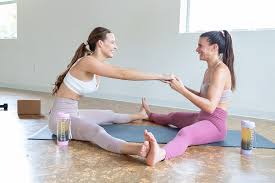
Mindful Movement: Focuses on stretching and flexibility. Good for relaxation and improving range of motion. Think yoga or Pilates.
Cardio Blast: Exercises that get your heart rate up quickly. Like dancing, jogging in place, or jumping rope.
Getting Started: What You Need
The best part about quick home workouts? You need almost nothing. Seriously.
Your body is your main tool.
Space: Find a spot where you can move freely. Your living room floor is often perfect. Make sure you have enough room to extend your arms and legs.
Comfortable Clothes: Wear anything that lets you move easily. Soft shoes are good, but many exercises can be done barefoot.
Water: Stay hydrated. Keep a bottle of water nearby. Take sips between exercises.
Music (Optional but Recommended): Music can boost your energy and motivation. Make a playlist you love!
That’s really it. No need for fancy machines or expensive gear. Your home is your gym.
Simple Exercises for Maximum Impact
We’re going to focus on exercises that work multiple muscles at once. This gives you more bang for your buck in a short time. These are often called compound movements.
Squats: Stand with your feet shoulder-width apart. Lower your hips as if sitting in a chair. Keep your chest up and your back straight.
Push back up through your heels. This works your legs and glutes.
Push-ups: Start on your hands and knees or hands and toes. Lower your chest towards the floor. Keep your body in a straight line.
Push back up. This works your chest, shoulders, and arms.
Lunges: Step forward with one leg. Lower your hips until both knees are bent at about 90 degrees. Your front knee should be over your ankle.
Push off your front foot to return to the start. Alternate legs. This works your legs and glutes.
Plank: Rest on your forearms and toes. Keep your body in a straight line from head to heels. Engage your core muscles.
Hold this position. This works your core (abs and back).
Jumping Jacks: A classic cardio move. Jump your feet wide and raise your arms overhead. Jump your feet back together and lower your arms.
This gets your heart rate up.
Glute Bridges: Lie on your back with knees bent and feet flat on the floor. Lift your hips off the ground. Squeeze your glutes at the top.
Lower back down slowly. This works your glutes and hamstrings.
These are just a few. The goal is to pick a few that feel good and challenging for you.
Building Your Quick Workout Plan
1. Choose Your Exercises: Pick 3-5 exercises from the list above or others you know.
2. Decide on Time: How long do you have? 10 minutes?
15 minutes? 20 minutes?
3. Set Your Pace: Will you do each exercise for a set time (e.g., 30 seconds)? Or for a set number of reps (e.g., 10-15 times)?
4. Structure Your Circuit: Perform each exercise one after the other. Rest for a short time (30-60 seconds) after you’ve done all of them.
Then, repeat the whole circuit for as many rounds as your time allows.
Example 15-Minute Workout:
- Squats: 12 reps
- Push-ups (on knees is fine!): 10 reps
- Lunges: 10 reps per leg
- Plank: Hold for 30 seconds
- Jumping Jacks: 30 seconds
- Rest for 60 seconds. Repeat for 2-3 rounds.
Making it a Habit
The hardest part is often starting. And the second hardest part is sticking with it. How do you make a quick home workout a regular thing?
Schedule it: Treat it like an important appointment. Put it in your calendar. Maybe it’s right after you wake up.
Or during your lunch break. Or before you settle down for the evening.
Start Small: Don’t aim for 30 minutes right away if you’re not exercising now. Start with 5 or 10 minutes. Build up gradually.
Consistency is more important than duration at first.
Find Your “Why”: Remind yourself why you’re doing this. Is it to feel more energetic? To sleep better?
To manage stress? Keep that reason in mind.
Track Your Progress: Notice how you feel after workouts. Do you have more energy? Do you sleep better?
Little wins keep you motivated.
Be Flexible: Some days will be harder than others. If you miss a workout, don’t beat yourself up. Just get back to it the next day.
Life happens, and that’s okay.
Real-World Scenarios for Quick Workouts
Let’s look at some common times when a quick home workout is a perfect fit.
The Morning Rush: You wake up, and it’s already a race against the clock. Instead of skipping it, do 10 minutes of jumping jacks and squats. You’ll feel more awake and ready for the day.
The Midday Slump: You’re sitting at your desk. Your energy is low. You feel tired.
Take a 15-minute break. Do some lunges, push-ups, and a plank. You’ll return to your work feeling refreshed.
Before Dinner: The kids are playing, or you’re waiting for dinner to cook. That 20-minute window is perfect for a quick circuit. It’s a good way to move your body before you sit down to eat.
Late Evening Wind-Down: Instead of scrolling on your phone, try 10 minutes of stretching or a gentle yoga flow. It can help you relax and prepare for sleep.
These are all moments where a traditional hour-long gym session is just not practical. But a 10-20 minute workout fits perfectly.
When is it Normal? When to Worry?
Normal:
- Feeling a little tired after a workout.
- Slight muscle soreness for a day or two (DOMS – Delayed Onset Muscle Soreness).
- Feeling more energetic overall after a few weeks.
- Needing to push yourself a bit to complete reps.
When to Worry (and consult a doctor):
- Sharp or sudden pain during exercise.
- Extreme fatigue that doesn’t go away.
- Chest pain or shortness of breath.
- Joint pain that is severe or long-lasting.
- Dizziness or feeling faint during exercise.
Always listen to your body. If something feels wrong, stop. It’s better to be safe.
Progressing Your Quick Workouts
Once you get comfortable with the basics, you might want to challenge yourself more. How can you make your quick home workouts even better?
Increase Reps or Time: If you were doing 10 squats, try 12 or 15. If you held a plank for 30 seconds, try 40 or 45 seconds.
Decrease Rest: Shorten the rest time between exercises or circuits. This makes the workout more intense.
Add Intensity: Instead of regular squats, try jump squats. For push-ups, try clapping push-ups (if you’re advanced!).
Try New Exercises: Look up new bodyweight moves. Burpees, mountain climbers, and tricep dips are great options.
Use Household Items: A sturdy chair can be used for step-ups or tricep dips. Water bottles or cans can be used as light weights for exercises like bicep curls or overhead presses.
The key is to keep challenging your body in new ways. This helps you continue to get stronger and fitter.
Common Myths About Quick Workouts
Let’s bust some myths that might be holding you back.
Myth 1: You need hours to get fit.
Reality: Short, consistent workouts are very effective. Small efforts add up. A 15-minute workout several times a week is far better than one long workout every few weeks.
Myth 2: Quick workouts aren’t as effective as long ones.
Reality: If you work hard and smart during your short session, you can achieve great results. Focus on intensity and proper form. You can still burn calories and build muscle.
Myth 3: You need special equipment.
Reality: Your bodyweight is powerful. You can do hundreds of effective exercises without any equipment. Focus on compound movements.
Myth 4: You have to feel sore to know it worked.
Reality: Soreness is not always a sign of a good workout. Sometimes, being very sore means you overdid it. Focus on how you feel overall – more energetic, stronger, and healthier.
Quick Workout Toolkit
Your Phone/Tablet: Use for workout videos, music, or timers.
A Mat (Optional): Provides comfort for floor exercises like planks or stretches.
Water Bottle: Essential for hydration.
Good Shoes: Protect your feet and ankles during higher impact moves.
Timer/Watch: To keep track of exercise durations and rest periods.
Fueling Your Quick Workouts
What you eat matters, even for short workouts. You don’t need a complicated diet plan.
Before a Workout: If you’re working out first thing, you might not need to eat. If you feel hungry, a small snack like a banana or a handful of almonds is good. This gives you energy without feeling heavy.
After a Workout: It’s good to have a meal or snack with protein and carbs within an hour or two. This helps your muscles recover. Think yogurt with berries, a hard-boiled egg, or a small sandwich.
Hydration is Key: Drink water throughout the day, not just around your workout. Staying hydrated helps your body function. It also improves your energy levels.
Focus on whole foods. Fruits, vegetables, lean proteins, and whole grains are great. They provide the nutrients your body needs to perform and recover.
You don’t need to overthink it for quick workouts.
Listen to Your Body
This is perhaps the most important piece of advice. Your body is smart. It will tell you what it needs.
For quick home workouts, this means:
Respect Pain: If you feel a sharp or sudden pain, stop. Pushing through pain can lead to injuries. It’s okay to modify an exercise or skip it.
Know Your Limits: Some days you’ll have more energy than others. On low-energy days, a gentler workout is fine. Maybe focus more on stretching or balance.
Recognize Fatigue: If you’re feeling overly tired, maybe your body needs rest. Rest days are just as important as workout days. They allow your body to repair and grow stronger.
Adapt: If an exercise feels too hard, find an easier variation. For example, do push-ups on your knees instead of your toes. If an exercise feels too easy, find a harder variation.
This mindful approach ensures you stay safe and keep progressing without burnout.
Quick Workout Examples (5-15 Minutes)
5-Minute Energy Boost:
- Jumping Jacks: 1 minute
- Bodyweight Squats: 1 minute
- High Knees (running in place): 1 minute
- Push-ups (on knees or toes): 1 minute
- Plank: 1 minute
10-Minute Full Body Blitz:
- Circuit: Squats (15 reps), Push-ups (10 reps), Lunges (10 per leg), Glute Bridges (15 reps), Plank (30 seconds).
- Rest 30 seconds. Repeat the circuit 2 times.
15-Minute Cardio & Core:
- Round 1: Jumping Jacks (45 sec), Rest (15 sec). High Knees (45 sec), Rest (15 sec). Mountain Climbers (45 sec), Rest (15 sec).
- Round 2: Plank (45 sec), Rest (15 sec). Crunches (45 sec), Rest (15 sec). Leg Raises (45 sec), Rest (15 sec).
- Repeat both rounds for a total of 3 cycles.
When to Consider Professional Help
While quick home workouts are generally safe and accessible, there are times when you might benefit from expert advice. If you have any underlying health conditions, like heart problems, diabetes, or joint issues, it’s always best to talk to your doctor before starting any new exercise program.
A physical therapist or certified personal trainer can also offer valuable guidance. They can help you ensure you’re using proper form, which is crucial for preventing injuries. They can also help you create a personalized workout plan that fits your specific needs and goals, especially if you’re looking to overcome specific limitations or achieve advanced fitness milestones.
Don’t hesitate to seek professional help if you’re unsure about something or if you experience persistent pain. Your health and safety come first.
Conclusion: Your Fitness Journey Starts Now
Fitting fitness into a busy life doesn’t have to be a struggle. Quick home workouts are your secret weapon. They are effective, convenient, and accessible to everyone.
You have the power to boost your health and energy with just a few minutes each day. Start small, stay consistent, and listen to your body. Your journey to a fitter, healthier you is already underway.
Related Posts
Quick Workout Before Work
15 Minute Home Workout