Bodyweight Workout At Home
The Joy of Bodyweight Workouts at Home
Feeling the urge to get stronger, fitter, or just move more? The good news is you don’t need fancy gym gear or a membership. Your own body is an amazing tool! This guide will help you discover how to use your bodyweight for fantastic workouts right in your own home. It’s easier than you think, and you’ll love the results.
Bodyweight workouts at home let you build strength and fitness using just your own body. They are great for all levels, need no equipment, and can be done anywhere, anytime. You’ll improve muscle tone, burn calories, and boost your overall health with simple, effective movements.
What Are Bodyweight Workouts?
Bodyweight workouts are exercises. You use gravity and your own body’s weight. This is to build strength. You can also improve your fitness. Think of it like pushing or pulling against yourself. This makes your muscles work hard.
Many common exercises use your bodyweight. Push-ups are a great example. So are squats and lunges. Jumping jacks and planks also fit this category. These movements are natural. They mimic actions we do every day.
The beauty is that the resistance comes from you. This makes it very adaptable. You can make exercises harder or easier. This is done by changing your position. You can also change how fast you move.
Why Choose Bodyweight Workouts at Home?
There are so many good reasons to try this. For starters, it’s super convenient. You can roll out of bed and start. No travel time needed. This saves you time and effort.
It’s also very budget-friendly. You don’t need to buy expensive machines. Or pay for a gym. Your body is all the equipment you need. This saves you money.
Bodyweight workouts are also safe. When done correctly, they are low-risk. You have control over your movements. You know your body best. You can stop if something feels wrong.
They build functional strength. This is strength you can use in daily life. Like carrying groceries. Or lifting a child. It helps you move better overall. It also improves your balance.
Plus, they are adaptable. Beginners can do modified versions. More advanced folks can add challenges. You can always find a way to push yourself. This keeps things interesting. It stops you from getting bored.
My First At-Home Workout Struggle
I remember my first attempt at a home workout. It was years ago. I’d just bought a fitness DVD. I set it up in my small living room. The instructor was so energetic. I felt inspired! But then the workout started.
It was a lot harder than I expected. My living room felt cramped. I kept bumping into the coffee table. During the jumping jacks, I nearly hit my head on the ceiling fan. My knees ached during the squats. I felt clumsy and a bit silly.
I quickly realized I was trying too much too soon. My form was terrible. I was using muscles I didn’t know I had. Or rather, I wasn’t using the ones I needed. By the end, I was completely exhausted. But I didn’t feel strong. I just felt sore and defeated. It was frustrating. I almost gave up right then. I thought maybe home workouts weren’t for me.
Getting Started: The Right Mindset
Be Patient: Progress takes time. Don’t expect miracles overnight.
Listen to Your Body: Rest when needed. Pain is a signal to stop.
Start Simple: Master basic moves before adding difficulty.
Stay Consistent: Even short workouts help. Aim for regular movement.
Celebrate Small Wins: Notice how you feel stronger. Or how you can do one more rep.
Essential Bodyweight Exercises for Beginners
Let’s break down some key moves. These are the building blocks. Master these, and you’ll be well on your way.
Squats
This is a fundamental move. It works your legs and glutes. Stand with your feet shoulder-width apart. Keep your chest up. Imagine you are sitting back into a chair. Lower your hips down. Keep your back straight. Go as low as you can comfortably. Then push back up to standing.
Squat Variations for Home
Bodyweight Squat: The basic move. Focus on form.
Chair Squat: Tap your glutes to a chair as you lower. Great for beginners.
Wall Squat: Lean against a wall. Slide down until your thighs are parallel to the floor. Hold for time.
Jump Squat: Explode upwards from the squat position. Land softly.
Push-Ups
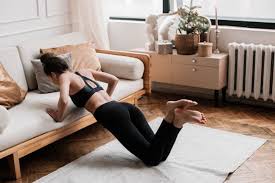
Push-ups are fantastic for your chest, shoulders, and arms. Start on your hands and knees. Place your hands slightly wider than shoulder-width. Your body should form a straight line from head to knees. Lower your chest towards the floor. Keep your elbows tucked slightly. Push back up.
If regular push-ups are too hard, try them on your knees. This is a great modification. Another option is to place your hands on an elevated surface, like a sturdy table or counter. This makes it easier.
Push-Up Progression
Wall Push-Ups: Stand facing a wall. Place hands on the wall. Lean in and push away.
Incline Push-Ups: Hands on a counter or table. Body straight. Lower chest to edge.
Knee Push-Ups: On your knees. Body straight from head to knees. Lower chest to floor.
Standard Push-Ups: On your toes. Body straight from head to heels. Lower chest to floor.
Lunges
Lunges work your legs and glutes individually. This helps with balance. Step forward with one leg. Lower your hips until both knees are bent at about 90 degrees. Your front knee should be above your ankle. Your back knee should hover just above the floor. Push off your front foot to return to the start. Alternate legs.
You can do static lunges (stepping out and back to the same spot) or walking lunges (moving forward with each lunge).
Plank
The plank is a core strength exercise. It works your abs, back, and shoulders. Get into a push-up position. Then lower onto your forearms. Your elbows should be directly under your shoulders. Keep your body in a straight line from head to heels. Don’t let your hips sag or rise too high. Hold this position.
This may seem simple, but it’s powerful. Start by holding for 20-30 seconds. Gradually increase the time.
Glute Bridges
This exercise targets your glutes and hamstrings. Lie on your back. Bend your knees. Keep your feet flat on the floor, hip-width apart. Your arms should be at your sides. Squeeze your glutes. Lift your hips off the floor. Your body should form a straight line from shoulders to knees. Hold briefly. Then lower back down slowly.
Bird-Dog
This exercise improves core stability and balance. Start on your hands and knees. Your hands should be under your shoulders. Your knees under your hips. Keep your back flat. Extend one arm straight forward. At the same time, extend the opposite leg straight back. Keep your core tight. Hold briefly. Return to the start. Alternate sides.
Structuring Your Home Bodyweight Workout
Now you know the moves. How do you put them together? A good workout has a warm-up, the main part, and a cool-down.
Warm-Up (5-10 minutes)
A warm-up prepares your body for exercise. It gets your blood flowing. It wakes up your muscles. It helps prevent injuries.
Start with light cardio. Marching in place is good. Or gentle jogging. Then do some dynamic stretches. These are movements that take your joints through their range of motion. Arm circles. Leg swings. Torso twists. Cat-cow stretches.
The Main Workout
You can do this in a few ways.
One is circuit training. You do one set of each exercise. Then you move to the next. You rest briefly between exercises. After you finish all exercises, you rest longer. Then you repeat the whole circuit. For beginners, aim for 2-3 rounds.
Another way is by sets and reps. You do a certain number of repetitions for one exercise. Then you rest. Then you do it again. For example, 3 sets of 10 squats.
Sample Beginner Circuit (Repeat 2-3 Times)
- Squats: 10-12 reps
- Knee Push-Ups: As many as possible with good form (aim for 8-10)
- Walking Lunges: 8-10 reps per leg
- Plank: Hold for 20-30 seconds
- Glute Bridges: 10-12 reps
- Bird-Dog: 8-10 reps per side
Rest 60-90 seconds between circuits.
Cool-Down (5-10 minutes)
A cool-down helps your body recover. It brings your heart rate down. It helps with flexibility. Do static stretches. These are stretches you hold. Hold each stretch for 20-30 seconds.
Examples include hamstring stretches. Quad stretches. Triceps stretches. Chest stretches. Child’s pose is also very relaxing.
Making Bodyweight Workouts More Challenging
Once you get comfortable, you’ll want to challenge yourself. Here are ways to do that.
Increase Reps or Sets
If you’re doing 10 squats, try 12 or 15. If you’re doing 2 circuits, try 3.
Reduce Rest Time
Shorten the rest time between exercises or circuits. This increases the intensity.
Tempo Changes
Slow down the movement. For example, in squats, take 3 seconds to lower yourself. Then push up quickly. This makes muscles work longer.
Add Plyometrics
These are explosive movements. Jump squats. Burpees. Jumping lunges. They increase power and cardio.
Use Variations
Move from knee push-ups to standard push-ups. Or try single-leg squats (pistol squats, with support if needed).
Increase Hold Times
For planks or wall sits, hold longer. Try for 45 seconds, then 60 seconds.
Real-World Context: My Kitchen Counter Workout
I remember one morning. I was running super late for a virtual meeting. I hadn’t exercised yet. I felt that familiar pang of guilt. But I also knew I couldn’t skip it entirely. So, I improvised.
I stood facing my kitchen counter. I used it for incline push-ups. They were easier than floor push-ups, so I could do more. Then I used the counter edge to hold onto for balance as I did single-leg calf raises. My kitchen floor was perfect for glute bridges. I just scooted myself over to where I had a bit more space.
For squats, I just used the space between the island and the cabinets. I grabbed a water bottle to add a little weight to my squats. It wasn’t a long workout. Maybe 15 minutes total. But it got my blood pumping. I felt more awake and ready for my meeting. It showed me how flexible bodyweight training can be. You don’t need a dedicated gym space. You can use what you have.
Workout Environment Tips
Clear Space: Make sure you have enough room to move freely. Remove furniture or obstacles.
Flooring: A yoga mat or carpet can provide cushioning. Hardwood or tile is fine too. Just be careful.
Ventilation: Open a window or turn on a fan. Fresh air makes a difference.
Comfortable Clothes: Wear clothing that allows you to move easily.
What This Means for You: Normal vs. Concerning
It’s important to know what to expect. Some muscle soreness is normal. Especially when you start. This is called Delayed Onset Muscle Soreness (DOMS). It usually shows up 24-48 hours after exercise. It feels like a dull ache. It gets better with time.
However, sharp or sudden pain is not normal. If you feel pain in your joints or muscles that feels wrong, stop immediately. Don’t push through it.
Fatigue is also normal. You should feel tired after a good workout. But you shouldn’t feel utterly drained or unwell. If you feel dizzy, nauseous, or very weak, it might be too much. Or you might not be hydrated enough.
If you have any health conditions, it’s always best to talk to your doctor before starting a new exercise program. They can give you advice tailored to your needs.
Quick Checks for Bodyweight Exercises
Listen to Your Body: This is the most important rule. Does it feel right?
Check Your Form: Watch yourself in a mirror if possible. Or record a short video.
Breathing: Are you breathing? Holding your breath makes it harder and less safe.
Hydration: Drink water before, during, and after your workout.
Quick Tips for Success at Home
Here are some simple things that can help you stick with it.
Schedule It
Treat your workout like an important appointment. Put it in your calendar. This makes you more likely to do it.
Find a Buddy (Virtually)
Maybe a friend lives nearby. Or you can connect online. Share your progress. Encourage each other.
Set Small Goals
Instead of “get fit,” aim for “do 5 push-ups” or “hold a plank for 30 seconds.” Achieving small goals builds confidence.
Track Your Progress
Write down your workouts. Note the exercises, reps, and hold times. Seeing how far you’ve come is motivating.
Make It Fun
Put on your favorite music. Dance during your warm-up or cool-down. Find exercises you genuinely enjoy.
Don’t Aim for Perfection
Missed a workout? It happens. Just get back on track the next day. Don’t let one missed session derail you.
Frequently Asked Questions About Home Bodyweight Workouts
How often should I do bodyweight workouts at home?
For most beginners, 2-3 times per week is a great start. As you get fitter, you can increase this to 4-5 times per week. Allow at least one rest day between intense workouts for your muscles to recover.
Do bodyweight workouts build muscle?
Yes, they absolutely can! When you challenge your muscles enough, they adapt and grow stronger. For significant muscle growth (hypertrophy), you’ll need to progressively overload your muscles.
This means making exercises harder over time, perhaps by doing more reps, more challenging variations, or increasing workout frequency.
How long does it take to see results from bodyweight workouts?
Results vary greatly from person to person. Factors like your starting fitness level, consistency, diet, and genetics play a role. Many people notice improved energy levels and a feeling of increased strength within 2-4 weeks.
Visible muscle changes or significant weight loss might take 2-3 months of consistent effort.
What if I have knee pain during squats?
If you have knee pain, pay close attention to your form. Ensure your knees track over your toes and don’t cave inward. Try squatting to a shallower depth.
You can also focus on chair squats or wall sits. If pain persists, it’s best to consult a doctor or physical therapist to rule out any underlying issues.
Can I lose weight with bodyweight exercises at home?
Bodyweight workouts can definitely help with weight loss. They burn calories and build muscle, which boosts your metabolism. However, weight loss is primarily driven by your diet.
To lose weight effectively, combine regular exercise with a balanced, calorie-controlled eating plan. Focus on whole foods and limit processed items.
Do I need any equipment at all for bodyweight exercises?
The beauty of bodyweight workouts is that you truly need no equipment. However, a few simple items can enhance your experience. A yoga mat provides cushioning.
Resistance bands can add extra challenge. A sturdy chair or step can be used for step-ups or incline push-ups. But these are optional additions, not requirements.
Your Fitness Journey Starts Now
You have the power within you. Your body is ready. You don’t need a special place or fancy things. Just a little space, some motivation, and this guide. Start slow. Be kind to yourself. Celebrate every little victory. You’ll discover a new strength and confidence. The path to a fitter, healthier you is right here, in your home. Enjoy the process!

Related Posts
Quick Workout Before Work
15 Minute Home Workout