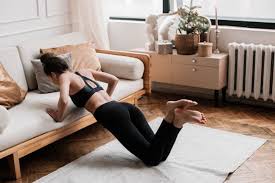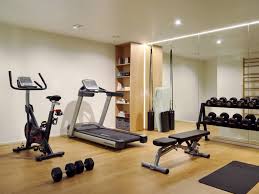
Home Gym Minimal Equipment
You can build an effective home gym with just a few pieces of minimal equipment. Focus on versatile items that allow for many different exercises. This approach saves space and money while still providing a full-body workout experience.
The key is choosing the right, multi-purpose tools.
What is Minimal Equipment for a Home Gym?
A minimal home gym means you have only the essentials. You pick things that do many jobs. You don’t need big, single-use machines.
Think about gear that is small. It should be easy to store away. Most importantly, it should help you do lots of different exercises.
This way, you can work all your muscles.
The goal is smart choices. You want items that are flexible. This means one piece of gear can do many things.
For example, resistance bands can offer many levels of tension. They can be used for strength training. They can also help with stretching.
This is a perfect example of minimal, multi-purpose equipment.
Why is this approach so popular now? Many people live in smaller homes. Space is a big deal.
Also, gym memberships can be costly. Having a home setup saves money over time. It also saves a lot of travel time.
You can work out whenever you want.
When we talk about home gym minimal equipment, we are talking about quality over quantity. It’s about picking the right tools. These tools let you do strength training.
They let you do cardio. They can even help with flexibility. All of this can happen in a small corner of your living room or bedroom.
My First Home Gym Setup: A Lesson in Small Spaces
I remember when I first wanted a home gym. I was living in a small city apartment. The living room was my main space.
I had no spare room at all. I felt discouraged. All the pictures I saw had large areas.
They had rows of weights and machines. I thought it was impossible for me.
One day, I was looking online. I saw someone talking about just using resistance bands and a jump rope. It sounded too simple.
I was used to going to a full gym. But I decided to try it. I bought a set of resistance bands with different levels.
I also got a good jump rope. That was it. That was my entire gym for months.
At first, I was skeptical. Could these simple things really give me a good workout? I started with basic exercises.
I used the bands for squats and chest presses. I did rows and bicep curls. It felt surprisingly challenging.
The tension was constant. It worked my muscles in a new way. The jump rope got my heart rate up fast.
It was a real cardio session.
What really clicked for me was the storage. When I was done, I just rolled up the bands and put them in a drawer. The jump rope hung on a hook.
My living room looked like a living room again. No bulky equipment taking up space. It felt freeing.
It taught me that you don’t need a lot to get a lot done. This experience is why I’m so passionate about home gym minimal equipment.
Essential Minimal Equipment Choices
Resistance Bands: These are fantastic. You can get them in loops or with handles. They provide variable resistance.
Use them for almost any exercise.
Jump Rope: A simple tool for great cardio. It’s small and portable. You can get your heart pumping in minutes.
Dumbbells (Adjustable or Light Set): If you can, a pair of dumbbells is useful. Adjustable ones save space. Light ones are good for many exercises.
Kettlebell: Similar to dumbbells, but great for dynamic movements like swings. One or two can offer many workout options.
Yoga Mat: For comfort during floor exercises like planks, crunches, and stretching.
The Versatility of Resistance Bands
Resistance bands are like the Swiss Army knife of home gym gear. They are super light. They take up almost no space.
You can pack them in a suitcase. Yet, they can provide a serious workout. They come in many forms.
Loop bands are popular. They are just stretchy loops of rubber or fabric.
You can use loop bands for legs. Slide one around your thighs for squats. It adds resistance.
You can use them for glute bridges. They are great for hip abduction. They work your glutes really well.
You can also use them for upper body. Loop one around your feet and do rows. Or anchor them to a door for chest presses.
Bands with handles are also common. They feel more like traditional weight training. You can grip the handles and do bicep curls.
You can do overhead presses. You can do triceps extensions. They mimic the movement of cable machines.
You can anchor these bands high, low, or in the middle.
What’s unique is that the resistance increases as you stretch the band. This means you are working harder at the end of the movement. This is different from weights.
With weights, the resistance is constant. This constant tension can be very effective for muscle growth. It also helps build strength.
Many people worry about the durability of bands. Good quality bands are very strong. They can last a long time if cared for.
Avoid leaving them in direct sunlight. Or exposing them to extreme heat. Wipe them clean after use.
Check them for any signs of wear before each workout.
The ability to adjust the resistance is another big plus. Most sets come with multiple bands. Each band has a different color and level of tension.
You can use one band. Or you can loop two or three together. This lets you find the right challenge for each exercise.
It also means you can keep progressing as you get stronger.
Resistance Band Workout Ideas
- Lower Body: Squats, Glute Bridges, Lateral Walks (with loop band around ankles/thighs), Deadlifts, Hamstring Curls.
- Upper Body: Bicep Curls, Triceps Extensions, Rows (seated or standing), Chest Press (anchored to door), Shoulder Press, Lateral Raises.
- Core: Pallof Press (anti-rotation), Wood Chops, Russian Twists (with band).
Dumbbells and Kettlebells: Core Strength Tools
While bands are great, sometimes you want that solid feel of a weight. Dumbbells and kettlebells are excellent choices for home gym minimal equipment. They offer a different kind of resistance.
This can be very beneficial for strength building.
If space is extremely limited, adjustable dumbbells are a game-changer. One pair can replace an entire rack of weights. You twist a dial or slide a pin to change the weight.
This makes switching weights between exercises very quick. It’s also much more cost-effective in the long run than buying many individual dumbbell pairs.
A small set of fixed dumbbells is also a good option. Maybe a pair at 5 lbs, 10 lbs, and 15 lbs. This gives you options for different exercises and muscle groups.
For many common movements, like bicep curls or lateral raises, lighter weights are often all you need. For squats or lunges, you might use heavier ones.
Kettlebells offer unique benefits. Their shape allows for exercises that are hard to do with dumbbells. Kettlebell swings are a prime example.
This is a powerful, full-body movement. It works your hamstrings, glutes, back, and shoulders. It’s also a great cardio exercise.
Other kettlebell moves include cleans, presses, and snatches.
One kettlebell can provide a full workout. You can do squats, lunges, presses, and rows with it. The offset center of gravity makes them challenging.
They force you to engage your core more. This can lead to better balance and stability.
For minimalists, one or two kettlebells of different weights might be ideal. Maybe a 15 lb and a 35 lb kettlebell. Or one kettlebell that you can use for most exercises.
This is a good starting point. You can always add more later if needed.
When choosing dumbbells or kettlebells, consider the grip. Make sure they feel comfortable in your hands. For dumbbells, a knurled handle provides better grip.
For kettlebells, the handle should be smooth enough for swinging. But also offer some grip so it doesn’t slip. Safety is key.
Kettlebell vs. Dumbbell: What’s Best?
Kettlebell: Ideal for dynamic, explosive movements. Great for swings, cleans, and snatches. Excellent for full-body conditioning and building power.
The offset weight challenges balance.
Dumbbell: More versatile for traditional strength training. Better for isolation exercises like curls, presses, and flyes. Adjustable dumbbells save space and cost.
For Minimalists: A kettlebell is often a great single-weight choice. A pair of adjustable dumbbells offers the most exercise variety.
Cardio Without the Treadmill
You don’t need a giant treadmill or elliptical to get your heart rate up at home. There are many simple, effective cardio options for a minimal home gym. These are often more budget-friendly and take up far less space.
Cardio is vital for heart health and burning calories.
The classic jump rope is a top contender. For a few dollars, you get an amazing cardio tool. A good quality rope can last years.
Jumping rope works your legs, arms, and core. It also greatly improves coordination and agility. It’s easy to learn basic jumps.
You can then move to more complex patterns like double unders.
Bodyweight cardio is also incredibly powerful. Think about exercises like burpees, jumping jacks, high knees, and mountain climbers. You can string these together into a circuit.
You can perform them for a set time or a set number of reps. This requires no equipment at all, other than maybe a mat.
Consider a cardio exercise bike if you have a bit more space. Even a basic spin bike is much smaller than a treadmill. It’s a great way to get a steady-state cardio workout.
You can sit and pedal while watching TV. Many people find this easier to stick with.
Another option is a mini stepper. These are small and portable. They mimic the motion of climbing stairs.
They work your legs and glutes. They also get your heart rate up. They are quiet and can be used almost anywhere.
Interval training is a fantastic way to maximize cardio in a short time. You can do this with any of the above methods. For example, jump rope for 30 seconds as fast as you can.
Then rest for 30 seconds. Repeat this for 10-15 minutes. This is more effective for fat loss than steady-state cardio for many people.
The key is consistency. Find a cardio activity you enjoy. Or at least one you can tolerate.
Make it part of your routine. Even 15-20 minutes of intense cardio most days can make a huge difference in your fitness level and overall health.
Cardio Quick-Scan Table
| Equipment | Pros | Cons |
| Jump Rope | Inexpensive, portable, great cardio, improves coordination | Requires practice, can be noisy on some floors |
| Bodyweight Exercises | Free, no equipment needed, highly versatile | Can be high impact, requires creativity for variety |
| Mini Stepper | Compact, portable, low impact | Limited range of motion, can be boring for some |
| Spin Bike | Good for steady-state cardio, can be used while relaxing | Takes up more space, can be costly |
Building a Full-Body Workout Routine
With a few key pieces of home gym minimal equipment, you can build a comprehensive workout plan. The goal is to hit all major muscle groups. You also want to include cardio and flexibility.
This ensures a balanced fitness routine.
A typical routine might look like this: three to four days of strength training per week. And two to three days of cardio. You can mix and match.
Some days might be strength and cardio combined.
For strength, you can do full-body workouts each session. Or you can split it up. A popular split is upper body one day, lower body the next.
Or push muscles (chest, shoulders, triceps) and pull muscles (back, biceps) on different days.
Let’s consider a full-body workout using minimal gear. You could start with a compound movement like goblet squats with a kettlebell. Then move to resistance band rows.
Followed by dumbbell chest presses. Then maybe some kettlebell swings for power. Finish with core work like planks.
Another approach is to focus on movement patterns. You need exercises for: pushing, pulling, squatting, hinging, and carrying. And also core stability.
Bands and dumbbells can cover all of these.
Push: Push-ups, dumbbell bench press, overhead press. Pull: Resistance band rows, dumbbell rows, pull-ups (if you have a bar). Squat: Goblet squat (kettlebell/dumbbell), bodyweight squats, band squats.
Hinge: Kettlebell swings, dumbbell deadlifts, Romanian deadlifts. Carry: Farmer’s walks (with dumbbells/kettlebells). Core: Planks, Russian twists, Pallof presses.
Cardio can be done after strength training. Or on separate days. A 20-minute HIIT session with a jump rope is efficient.
Or a 30-minute brisk walk. Or cycling if you have a bike.
Flexibility is crucial. Include stretching after workouts. Or dedicate a short session to yoga or stretching.
This helps prevent injuries. It also improves range of motion.
The most important part is consistency. Start small. Don’t try to do too much too soon.
Gradually increase intensity, duration, or weight. Listen to your body. Rest when you need to.
Sample Minimal Equipment Workout Schedule
Day 1: Full Body Strength
- Warm-up (5 min)
- Goblet Squats (Kettlebell/Dumbbell): 3 sets of 10-12 reps
- Band Rows: 3 sets of 10-12 reps
- Dumbbell Bench Press: 3 sets of 10-12 reps
- Kettlebell Swings: 3 sets of 15 reps
- Plank: 3 sets, hold for 30-60 seconds
Day 2: Cardio & Core
- Jump Rope HIIT: 20 minutes (e.g., 30 sec on, 30 sec off)
- Leg Raises: 3 sets of 15 reps
- Russian Twists: 3 sets of 15 reps per side
Day 3: Rest or Active Recovery (Light stretching/walk)
Day 4: Upper Body Focus
- Warm-up (5 min)
- Dumbbell Shoulder Press: 3 sets of 10-12 reps
- Band Pull-Aparts: 3 sets of 15-20 reps
- Dumbbell Bicep Curls: 3 sets of 10-12 reps
- Band Triceps Extensions: 3 sets of 10-12 reps
- Push-ups: 3 sets to failure
Day 5: Lower Body Focus
- Warm-up (5 min)
- Dumbbell Lunges: 3 sets of 10-12 reps per leg
- Band Squats: 3 sets of 12-15 reps
- Glute Bridges: 3 sets of 15-20 reps
- Calf Raises: 3 sets of 15-20 reps
Day 6 & 7: Rest or Cardio
Real-World Context: Fitting a Gym into Small Apartments
Living in a city often means smaller living spaces. This is where the idea of home gym minimal equipment really shines. You don’t need to sacrifice your entire living area for fitness.
Let’s look at how this works in practice.
Imagine a studio apartment. There’s one main room. You have a bed, a sofa, maybe a small table.
Where does a gym fit? It fits where you make it. A corner of the room can become your gym.
When you’re done, the gear goes away.
Resistance bands can hang on a hook or live in a small basket. Adjustable dumbbells can sit neatly under a sofa or in a closet. A yoga mat rolls up and slides easily into a narrow space.
Kettlebells can sit on a small rug or mat. This keeps your workout area defined but also temporary.
Consider the flooring. If you live above someone, you might want to protect the floor. And reduce noise.
A thick yoga mat is good. A small, interlocking rubber mat can also work. These mats are often used in professional gyms.
But you can buy smaller sets for home use. They also make the space feel more dedicated when you’re working out.
The type of exercises you do also matters. Some exercises are quieter. Others can be noisy.
Jumping jacks can be loud. Kettlebell swings are generally quieter if done on a mat. Choosing exercises that fit your living situation is important.
Especially if you have neighbors close by.
What about anchoring resistance bands? Many bands come with door anchors. These are usually safe for most doors.
They have been tested. They work by creating friction. The band loops around the anchor, which sits in the door jam.
Always check the anchor and the door before each use. Ensure it’s secure.
The key is to be intentional with your space. Designate a small area for workouts. Even if it’s just a 6×6 foot space.
Have a plan for putting gear away. This makes the transition between “gym time” and “living time” smooth. It helps maintain the feeling of having a dedicated space, even if it’s temporary.
Apartment Gym Setup: Quick Tips
- Designate a Spot: Even a small corner works.
- Store Smart: Use baskets, under-bed storage, or closet space.
- Protect Floors: Use a yoga mat or rubber mats.
- Consider Noise: Choose quieter exercises or use mats.
- Anchor Safely: Double-check door anchors before use.
- Keep it Clean: Wipe down gear after workouts.
What This Means for You: Normal vs. Concerning Signs
When you’re working out at home with minimal equipment, it’s good to know what’s normal and when to pay attention. Your body will tell you things. And your equipment will too.
Normal Sensations:
- Muscle soreness (DOMS – Delayed Onset Muscle Soreness) for a day or two after a tough workout. This is usually a good sign that you challenged your muscles.
- A feeling of fatigue after a good exercise session.
- Increased heart rate during cardio.
- A slight burn or fatigue in your muscles as you complete a set.
When to Worry (Normal vs. Concerning):
- Soreness: Normal soreness fades within 2-3 days. If pain is sharp, intense, or lasts much longer, it might be an injury. Stop and rest.
- Joint Pain: Discomfort in your joints during exercises like squats or lunges could be a sign of poor form or a joint issue. Listen to your body. Adjust form or stop the exercise.
- Equipment Strain: If resistance bands fray or snap, that’s a clear sign they are old or damaged. Inspect them regularly. If a dumbbell feels loose, stop using it.
- Dizziness or Nausea: Feeling very dizzy, lightheaded, or sick during exercise can be a sign you’re pushing too hard, not hydrated, or have a medical issue. Slow down or stop.
It’s important to have a basic understanding of your body. And to use common sense with your equipment. If something feels truly wrong, it probably is.
It’s always better to err on the side of caution. Rest, recover, and consult a professional if needed. Especially if you have any pre-existing health conditions.
For instance, if you are doing kettlebell swings and feel a sharp pain in your lower back, stop immediately. This is not normal soreness. This could be a sign of poor form or a potential injury.
Similarly, if a resistance band feels like it’s about to snap, do not continue the exercise. Replace the band.
Think of your home gym as a partnership. You work hard, and your equipment helps. Treat your equipment well, and it will serve you.
Pay attention to your body’s signals, and it will guide you towards safer and more effective workouts.
Quick Fixes & Tips for Minimalist Workouts
Even with minimal equipment, a few smart tips can make your workouts much better. These aren’t complex fixes, just simple ways to get more out of what you have.
- Progressive Overload is Key: To keep getting stronger, you need to make things harder over time. With bands, use a thicker one. Or do more reps. Or do more sets. With dumbbells, use a heavier weight when you can. Or slow down the tempo of your reps.
- Master Your Form: Good form prevents injuries. It also makes exercises more effective. Watch videos online for correct technique. Practice in front of a mirror. Focus on one exercise at a time.
- Warm-up and Cool-down: Never skip these. A 5-minute warm-up gets your body ready. A 5-minute cool-down helps your muscles recover.
- Stay Hydrated: Drink water before, during, and after your workouts. This helps with energy and recovery.
- Nutrition Matters: What you eat is just as important as how you train. Focus on whole foods.
- Consistency Over Intensity: It’s better to do a short workout most days than one huge workout once a week. Build a habit.
- Listen to Your Body: If you are in pain, stop. If you are just tired, maybe a lighter session is okay. Learn the difference.
- Make it Enjoyable: Play music. Watch a show while you do cardio. Find ways to make it fun so you stick with it.
Myth vs. Reality: Minimal Home Gyms
| Myth | Reality |
| You need a lot of expensive gear. | Effective workouts can be done with a few versatile, affordable items. |
| Minimal equipment means a limited workout. | Smart choices allow for full-body training and cardio. |
| It’s hard to build muscle with bands. | Bands offer variable resistance and can build significant muscle. |
| Home workouts are less effective than gym workouts. | Consistency and proper technique yield results anywhere. |
| You need a dedicated room. | A small corner can be transformed into a functional gym space. |
Frequently Asked Questions About Home Gym Minimal Equipment
What are the absolute must-have pieces of minimal home gym equipment?
The core essentials are typically resistance bands (loop or handled) and a jump rope for cardio and versatility. If space and budget allow, one or two dumbbells or a kettlebell are also highly recommended for adding weight variety.
Can I build significant muscle with just resistance bands?
Yes, you absolutely can build significant muscle with resistance bands. They provide progressive overload by increasing tension as you stretch them. By using different band strengths, increasing reps or sets, and focusing on proper form, muscle growth is very achievable.
How do I stay motivated with a minimal home gym setup?
Motivation comes from consistency and variety. Try different workout routines using your minimal equipment. Set small, achievable goals.
Track your progress. Listen to music or podcasts. Schedule your workouts like appointments.
And remember why you started.
Is it safe to anchor resistance bands to doors?
Yes, it is generally safe if you use a proper door anchor designed for resistance bands and if the door and frame are in good condition. Always inspect the anchor and door before each use to ensure it’s secure. Avoid using this method on weak or damaged doors.
How much space do I really need for a minimal home gym?
You might be surprised how little space you need. A yoga mat area (about 3×5 feet) is often enough for bodyweight exercises and stretching. Resistance bands can be used in even less space.
If you have a corner or a clear floor area, you have enough room to get started.
What is the best way to organize minimal home gym equipment?
Smart organization is key. Use small baskets or bins for bands and smaller items. Store adjustable dumbbells under a couch or in a closet.
Hang jump ropes or resistance bands on hooks. Keep your yoga mat rolled up. The goal is to keep your workout area clear when not in use.
Conclusion: Your Fitness Journey Starts Anywhere
Creating a functional home gym doesn’t require a huge space or a big budget. With smart choices in home gym minimal equipment, you can achieve great fitness results. Focus on versatile items.
Prioritize quality. And build a routine that works for you. Your fitness journey can truly start right where you are.
Related Posts
Quick Workout Before Work
15 Minute Home Workout