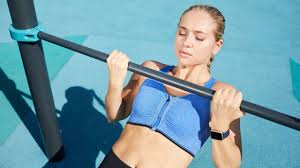
Pull Up Bar Workout
Ever look at a pull-up bar and feel a mix of awe and maybe a little dread? You’re not alone. Many of us see it as the ultimate test of upper body strength.
But what if I told you that mastering the pull-up bar is totally achievable? And it’s not just about pull-ups. A simple bar opens up a whole world of exercises to build serious muscle.
Let’s break down how you can use a pull-up bar to get a fantastic workout.
Pull-up bars offer a versatile way to build upper body strength and muscle. They are effective for targeting back, biceps, shoulders, and core muscles through various exercises beyond just standard pull-ups. Proper form and progression are key to safe and effective training.
What Is a Pull-Up Bar Workout?
A pull-up bar workout is any exercise routine that uses a horizontal bar to support your body weight. You hang from the bar. Then you pull yourself up.
Or you let yourself down slowly. It’s a classic bodyweight exercise. But the bar can do much more.
You can do hanging leg raises. You can do rows. You can do dips with some setups.
It’s a simple tool with big results. It works muscles you might not hit with other gym equipment. Think of your back, your arms, and your core.
These all get a good workout. It’s a foundational piece for building real strength. Many exercises are possible with just one bar.
This makes it great for home gyms. It’s also good for people who travel.
My First Pull-Up Bar Experience
I remember the first time I really tried to use a pull-up bar. It wasn’t a fancy gym setup. It was a doorframe pull-up bar I got for my home.
I hung there, legs dangling. I felt so weak. I couldn’t even lift myself an inch.
My arms felt like jelly. My back muscles just didn’t know what to do. I felt a bit silly, honestly.
All I managed was a pathetic little hop. But then, I saw a video online. It showed using resistance bands.
It showed starting with just hanging. It showed negatives, where you jump up and lower yourself slowly. That felt doable.
I committed to trying those small steps. Slowly, day by day, that inch became two inches. The jump became less of a jump.
It was a slow climb, but I felt a spark of hope. That first true pull-up, even if it was sloppy, felt like a massive victory.
Pull-Up Bar Basics: Getting Started
Starting Position: Hang from the bar with your hands slightly wider than shoulder-width apart. Your palms should face away from you (this is an overhand grip for a pull-up). Keep your arms straight but not locked.
Your body should be straight, feet off the ground.
The Movement: Pull your chest towards the bar. Squeeze your shoulder blades together as you pull. Keep your body as still as possible.
Don’t swing. At the top, your chin should be over the bar. Then, slowly lower yourself back down.
Control the descent. Don’t just drop.
Breathing: Exhale as you pull up. Inhale as you lower yourself down. This helps with power and control.
The Many Benefits of Pull-Up Bar Workouts
Why bother with a pull-up bar? Well, the benefits are pretty amazing. First, it’s a full-body exercise.
Your back muscles, like the lats, get a huge workout. Your biceps and forearms get stronger. Your shoulders and even your chest help out.
But it doesn’t stop there. To do a proper pull-up, you need a strong core. Your abs and lower back work hard to keep your body stable.
This means you build a stronger, more stable midsection. This is great for posture. It helps prevent back pain too.
Pull-up bars are also excellent for building functional strength. This is the kind of strength you use in everyday life. Lifting groceries, carrying kids, or moving furniture.
These activities all involve pulling. A stronger pull helps with all of them. Plus, it’s a great way to build impressive muscle definition.
Seeing your back and arm muscles develop is very rewarding. And if you’re looking to build grip strength, nothing beats hanging and pulling. Your hands and wrists get a serious workout.
This can help in other sports and activities.
Essential Pull-Up Bar Exercises
Let’s talk about the moves you can do. The star, of course, is the pull-up. This is the overhand grip version.
Then you have the chin-up. For this, your palms face you, and your hands are usually closer together. Chin-ups tend to hit your biceps a bit more.
Both are fantastic for upper body development.
But don’t stop there! Hanging from the bar opens up a ton of other options. Hanging leg raises are brilliant for your abs.
You simply hang and lift your legs up. You can keep them straight or bent. This really works your lower abs.
Another great exercise is the bodyweight row. You’ll need a lower bar for this, or you can use rings. You hang under the bar and pull your chest up.
This is like an inverted row. It’s excellent for your upper back.
You can also do L-sits while hanging. This is tough! You hold yourself with straight arms and lift your legs into an L shape.
This builds incredible core and shoulder strength. For those with a sturdy pull-up station, dips are possible. You use parallel bars to dip down and up.
This works your chest, shoulders, and triceps. The sheer variety means you can build a complete workout from just one piece of equipment.
Progression: How to Get Your First Pull-Up
1. Dead Hangs: Just hang from the bar. Focus on holding on.
Try to increase your time. This builds grip strength and shoulder stability.
2. Scapular Pulls: While hanging, gently pull your shoulder blades down and back. Your arms stay mostly straight.
This activates the muscles needed for the pull.
3. Negative Pull-Ups: Jump or step up to the top position. Then, slowly lower yourself down.
Control the entire movement. Aim for 5-10 seconds on the way down.
4. Band-Assisted Pull-Ups: Use a resistance band looped around the bar and your feet or knees. The band helps lift you.
As you get stronger, use lighter bands.
5. Incline Pull-Ups: If you have access to a lower bar, perform pull-ups at an angle. The more horizontal you are, the easier it is.
Real-World Pull-Up Bar Scenarios
Let’s think about where and why people use pull-up bars. Many people have them at home. Doorframe bars are popular because they don’t take up much space.
They are easy to set up and take down. People use them for quick workouts. They might do a few sets before work.
Or after dinner. Some have larger power towers. These have parallel bars for dips too.
They often have a place for leg raises.
Outdoor parks often have pull-up bars. These are great for spontaneous workouts. You can stop by on a walk or run.
Some bars might be a bit weathered. The temperature can affect your grip. Cold metal can make your hands slip.
Hot metal can burn your hands. It’s wise to bring gloves or chalk if you use public bars often.
Gyms obviously have them. They are usually part of a larger setup. This could be a squat rack with a pull-up bar.
Or a dedicated pull-up station. Gyms offer consistency. The bars are usually clean and well-maintained.
This allows for more focused training. You know what to expect. You don’t have to worry about the weather.
What This Means for Your Workout Plan
So, how does a pull-up bar fit into your fitness goals? If you want to build upper body strength, it’s essential. You can use it as a primary tool.
Or you can add it to your existing routine. For beginners, focusing on the progression steps is key. Don’t be discouraged if you can’t do a full pull-up right away.
Consistency is more important than intensity at the start.
As you get stronger, you can increase the difficulty. You can do more reps. You can do harder variations.
You could add weight by using a dip belt. You can try one-arm assisted pull-ups. The pull-up bar is incredibly scalable.
It works for almost anyone. It’s a great way to challenge your muscles in new ways. This can help you break through plateaus.
It adds variety to your training. This keeps things interesting and prevents boredom.
Pull-Up Bar vs. Other Back Exercises
Pull-Up Bar: Works multiple muscles at once (back, biceps, core, shoulders). Uses bodyweight for resistance. Excellent for functional strength.
Can be challenging for beginners.
Lat Pulldown Machine: Isolates back muscles more. Allows for controlled weight selection. Good for building muscle mass.
Less functional than pull-ups.
Dumbbell Rows: Targets one side of the back at a time. Requires good form to protect the lower back. Good for correcting muscle imbalances.
Cable Rows: Similar to machine pulldowns but can offer a different range of motion. Can be used for seated or standing variations.
Quick Tips for a Better Pull-Up Bar Workout
Here are some simple tips to make your workouts better. Always warm up. Light cardio and dynamic stretches are good.
This gets your blood flowing. It prepares your muscles. Focus on form.
Doing a bad pull-up is worse than doing fewer good ones. Watch videos. Ask a trainer if you can.
Squeeze your shoulder blades together at the top. Keep your body tight. Don’t let your hips sway.
Control the negative. The way down is just as important as the way up. This is where a lot of muscle growth happens.
Listen to your body. If something hurts, stop. Overtraining can lead to injury.
Rest days are crucial for muscle repair and growth. Don’t forget about your grip. If your grip gives out before your back, you need to work on that.
Dead hangs and farmer’s walks are great for grip. Vary your workouts. Don’t do the exact same thing every time.
Try different grip widths. Try chin-ups. Try hanging leg raises.
This keeps your body guessing. It prevents boredom.
Quick Scan: Exercises by Muscle Group
- Back: Pull-ups, Chin-ups, Bodyweight Rows, Hanging Rows
- Biceps: Chin-ups, Close-Grip Pull-ups
- Shoulders: Pull-ups (rear deltoids), Hanging Scapular Pulls
- Core: Hanging Leg Raises, L-sits, Knee Raises
- Forearms/Grip: Dead Hangs, Weighted Hangs
Common Questions About Pull-Up Bar Workouts
How often should I do pull-up bar workouts?
For beginners, 2-3 times a week is often enough. This gives your muscles time to recover. As you get stronger, you might be able to train more often.
It depends on your overall workout split and how your body feels. Listen to your body. Rest is important for muscle growth.
What if I can’t do a single pull-up yet?
That’s perfectly fine! Most people can’t. Start with the progression steps: dead hangs, scapular pulls, negative pull-ups, and band-assisted pull-ups.
These will build the strength you need. Consistency with these smaller steps is key to eventually getting your first full pull-up.
Can I build muscle with just a pull-up bar?
Yes, absolutely! A pull-up bar is a fantastic tool for building muscle, especially in your upper body and core. By varying the exercises, grip, and reps, you can challenge your muscles effectively.
For a full-body routine, you’d likely want to add some lower body work, but the upper body gains can be significant.
Is a doorframe pull-up bar safe?
Doorframe pull-up bars can be safe if installed correctly and used as intended. Always follow the manufacturer’s instructions. Ensure your doorframe is sturdy.
Check the bar regularly for any signs of wear or looseness. Avoid performing explosive movements that could put extra stress on the frame or bar.
What’s the difference between a pull-up and a chin-up?
The main difference is your grip. For a pull-up, your palms face away from you (overhand grip), usually wider than shoulder-width. For a chin-up, your palms face you (underhand grip), often with hands closer together.
Chin-ups tend to involve more biceps, while pull-ups engage your back more intensely.
How can I make pull-up bar workouts harder?
Once you can do many pull-ups, you can increase difficulty. Try adding weight with a dip belt or weighted vest. Perform slower negatives.
Do explosive pull-ups. Try single-arm variations with assistance. You can also increase volume by doing more reps or sets.
Changing tempo and grip can also make it harder.
Final Thoughts on Your Pull-Up Bar Journey
Embarking on a pull-up bar workout journey is one of the best things you can do for your strength. It’s a simple tool that offers complex benefits. Don’t get discouraged by initial challenges.
Every hang, every negative, every assisted pull counts. Focus on good form and gradual progress. You’ll be amazed at what your body can achieve.
Happy training!

Related Posts
Quick Workout Before Work
15 Minute Home Workout