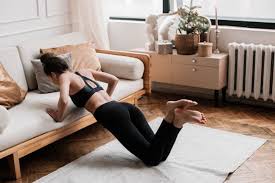
Home Cardio No Equipment
You can achieve a robust cardio workout at home without any special equipment by focusing on bodyweight exercises like jumping jacks, high knees, burpees, and mountain climbers. These movements elevate your heart rate and build endurance, making fitness accessible and affordable for everyone.
What is Home Cardio Without Equipment?
Home cardio without equipment means doing exercises that make your heart beat faster. It also makes you breathe harder. The goal is to get your blood moving and make your heart and lungs stronger.
You don’t need a gym or any machines. All you need is your own body and a bit of space. Think of it as using your own weight as resistance.
This type of exercise is great for your health. It helps manage weight too.
The science behind it is simple. When you do these moves, your muscles work harder. This uses up energy.
Your body needs more oxygen to make that energy. So, your heart pumps faster to send that oxygen. Your lungs take in more air.
This process strengthens your heart and lungs over time. It becomes more efficient at delivering oxygen. This makes everyday tasks feel easier.
You’ll have more energy too.
It’s also about consistency. Doing these simple moves regularly makes a big difference. It’s not about one super hard workout.
It’s about many days of good effort. Even short bursts of activity count. They add up to real health benefits.
You can fit them into your busy schedule easily. This makes it a practical choice for many people. It removes many common barriers to exercise.
My Own Struggle with Space and Stuff
I remember when I first started thinking seriously about getting fitter. My apartment felt so small. I didn’t have much money for a gym membership or even a few basic weights.
I felt a bit defeated before I even began. I looked at fitness apps and saw people using all sorts of equipment. I thought, “How can I possibly do this?” It felt like a closed door.
I just wanted to feel better and have more energy.
One rainy Saturday, I felt particularly stuck. I had planned to go for a run, but the weather was awful. I sat on my couch, feeling that familiar mix of guilt and frustration.
Then, I just stood up. I started jumping. Just simple jumping jacks.
My heart started to pound. I added some high knees. Then some butt kicks.
It wasn’t fancy, but I was moving. I was actually getting a workout!
I realized right then that I didn’t need much. The most important thing was just deciding to move. My living room floor became my gym.
The wall became my support for some stretches. That day, I learned a valuable lesson. Fitness is not about what you have.
It’s about what you do with what you’ve got. It was a small moment, but it changed how I approached exercise completely. It opened up a world of possibilities.
Quick Bodyweight Cardio Moves
Jumping Jacks: Classic for a reason. Stand with feet together, arms at sides. Jump, spreading feet wide and raising arms overhead.
Jump back to start.
High Knees: Run in place, bringing your knees up high towards your chest. Pump your arms. Keep your core tight.
Butt Kicks: Run in place, kicking your heels up towards your glutes. Keep your thighs mostly vertical.
Mountain Climbers: Start in a plank position. Bring one knee towards your chest, then switch. Move like you’re climbing a mountain.
Burpees: A full-body challenge. Start standing. Drop into a squat, place hands on floor, jump feet back to plank.
Do a push-up (optional). Jump feet forward, then jump up.
Why Your Body is Your Best Gym
Your body is an amazing tool. It’s designed to move. When you use your body weight, you work multiple muscles at once.
This is called compound movement. For example, a squat uses your legs, glutes, and core. A push-up uses your chest, shoulders, arms, and core.
These movements are very efficient for building strength and burning calories.
Think about how you move throughout the day. You walk, you climb stairs, you lift things. These are all bodyweight movements.
Your body is already trained for this. By doing specific exercises, you improve your ability to do these everyday actions. You become stronger and more agile.
This is practical fitness that helps in real life.
The variety is endless. You can change how you do an exercise to make it easier or harder. You can do a squat with your feet closer or wider.
You can do a jumping squat for more intensity. You can do a push-up on your knees if standard ones are too hard. This adaptability means you can always challenge yourself.
It keeps your workouts fresh and effective.
Infographic Style: Cardio Benefits at Home
Heart Health
Strengthens heart muscle. Lowers resting heart rate. Improves blood flow.
Weight Management
Burns calories. Boosts metabolism. Helps maintain a healthy weight.
Energy Levels
Fights fatigue. Improves stamina. Makes daily tasks easier.
Creating Your Home Workout Space
You don’t need a dedicated room. A small corner of your living room or bedroom can work. Make sure you have enough space to move freely.
You should be able to extend your arms and legs without hitting anything. Clear away any clutter. This helps you focus and prevents trips and falls.
Consider your flooring. A carpeted floor is fine for many exercises. For high-impact moves, or if you have concerns about noise, a yoga mat can be very helpful.
It provides cushioning and grip. It also helps absorb some of the impact. This can make exercises more comfortable and safer.
It also protects your floor.
Think about motivation. Having a designated workout spot, even a small one, can help. You can put a motivational poster on the wall.
Or just keep your yoga mat rolled out. This visual cue can remind you to exercise. It creates a sense of ritual.
It makes the idea of working out feel more real.
Structuring Your No-Equipment Cardio Session
A good workout usually has three parts. First, a warm-up. Second, the main workout.
Third, a cool-down. This order helps prevent injuries and improves performance. It also helps your body recover properly.
Warm-up (5-10 minutes): Start with light movements. This gets your blood flowing gently. Think about marching in place.
Arm circles. Leg swings. Gentle torso twists.
The goal is to wake up your muscles and joints. It prepares them for more intense work.
Main Workout (20-30 minutes): This is where you do your more vigorous exercises. You can do circuits. This means doing several exercises one after another with minimal rest.
Then, repeat the circuit. For example, do 45 seconds of high knees, then 15 seconds rest. Then 45 seconds of jumping jacks, 15 seconds rest.
Continue this for a few rounds.
Cool-down (5-10 minutes): This helps your heart rate gradually return to normal. Do some static stretches. Hold each stretch for 20-30 seconds.
Focus on the muscles you used. This can include hamstring stretches, quad stretches, and triceps stretches. Deep breathing is also important here.
Workout Circuit Example
Round 1
- Jumping Jacks: 45 seconds
- Rest: 15 seconds
- High Knees: 45 seconds
- Rest: 15 seconds
- Squats: 45 seconds
- Rest: 15 seconds
- Plank: 45 seconds
- Rest: 15 seconds
Repeat this circuit 3-4 times.
The Power of High-Intensity Interval Training (HIIT)
HIIT is perfect for home cardio without equipment. It involves short bursts of very intense exercise. These are followed by brief recovery periods.
You can do this with bodyweight exercises. For example, you might sprint in place for 30 seconds. Then, walk or rest for 15 seconds.
You repeat this cycle. It’s incredibly effective for burning fat and improving cardiovascular fitness.
HIIT workouts are short. They can be as little as 10-20 minutes. But they are very effective.
This is because your body continues to burn calories even after the workout ends. This is called the afterburn effect. It’s a great way to get a lot of benefit in a short amount of time.
It fits perfectly into busy schedules.
You can tailor HIIT to your fitness level. If you’re new to exercise, start with longer recovery times. Or shorter work intervals.
As you get fitter, you can increase the intensity. Or reduce the rest periods. The key is to push yourself during the work intervals.
Make your heart rate spike. This is what drives the results.
Incorporating Strength with Bodyweight Exercises
Cardio is great, but combining it with strength makes your fitness more complete. Bodyweight exercises are fantastic for this. You can do push-ups for your chest and arms.
Squats and lunges for your legs and glutes. Planks and crunches for your core. These exercises build lean muscle.
More muscle means a higher metabolism.
When you build muscle, your body uses more energy at rest. This means you burn more calories all day long. Even when you’re not exercising.
This helps with weight management. It also makes you stronger. You’ll feel more capable in everyday tasks.
Lifting groceries, playing with kids, or moving furniture becomes easier.
You can even create hybrid workouts. For example, you can do a burpee, which is cardio. Then immediately follow it with a squat.
This combines a full-body cardio move with a lower body strength move. Or you could do jumping lunges, which get your heart rate up and work your legs. The possibilities for combining cardio and strength are vast.
Strength Moves for Home
Push-ups: Targets chest, shoulders, triceps. Can be done on knees or toes.
Squats: Works quads, hamstrings, glutes, and core. Focus on good form.
Lunges: Excellent for legs and glutes. Improves balance.
Plank: Core strength and stability. Hold for time.
Glute Bridges: Activates glutes and hamstrings. Good for posture.
Real-World Scenarios Where This Shines
Imagine you’re a parent. You want to get fit, but you can’t leave the house easily. Your kids are home, and you need to be present.
You can do a quick 15-minute HIIT session while they’re playing or watching a show. Jumping jacks and high knees are fun and energetic. Kids might even join in, turning it into family fitness.
Consider someone living in a rural area. The nearest gym is miles away. The weather might be unpredictable, making outdoor exercise difficult.
Having a set of bodyweight exercises means you can always get a good workout. You don’t need to travel. You don’t need to worry about the elements.
Your home is your reliable fitness space.
Or think about someone on a tight budget. Gym memberships and home equipment can be expensive. Investing in good walking shoes might be all you can afford.
Bodyweight cardio requires no equipment. It’s the most accessible form of exercise. It proves that fitness doesn’t have to cost a fortune.
It’s about making smart choices with what you have.
When is Home Cardio Without Equipment Enough?
For many people, especially beginners or those looking for general health improvements, home cardio without equipment is absolutely enough. It can help you achieve significant health benefits. You can improve your heart health, manage your weight, boost your mood, and increase your energy levels.
The key is consistency and progression.
If your goal is to run a marathon or compete in weightlifting, you will eventually need more specialized training. However, for most everyday fitness goals, your bodyweight is a powerful tool. It provides a solid foundation.
It builds a base level of strength and endurance. It prepares you for more advanced activities if you choose to pursue them.
It’s also enough if you are looking for a way to stay active during travel. You can do these exercises in a hotel room. Or a small space.
You don’t need to rely on hotel gyms. This makes it easier to maintain your fitness routine no matter where you are in the world. It provides a consistent option.
When to Consider Adding Equipment or Seeking Guidance
As you get fitter, you might find that your bodyweight exercises become less challenging. This is a sign that you are progressing! At this point, you might consider adding some light dumbbells.
Or resistance bands. These can add extra resistance. They help you continue to build strength and muscle.
They allow for new types of exercises.
If you have any underlying health conditions, like heart problems or joint issues, it’s always a good idea to talk to your doctor before starting a new exercise program. They can offer personalized advice. They can help you understand what might be safe and beneficial for you.
This is especially true if you have any pain or discomfort during exercise.
Also, if you feel unsure about your form, or if you are experiencing pain, seeking guidance is important. A certified personal trainer can assess your movements. They can correct your form.
They can help you create a more advanced or tailored program. This ensures you are exercising safely and effectively. It helps prevent injuries.
Simple Checks for Safety
Listen to your body: If something feels painful, stop. Discomfort is normal, sharp pain is not.
Check your form: Watch videos or use a mirror. Proper form prevents injuries.
Stay hydrated: Drink water before, during, and after your workout.
Gradual progression: Don’t do too much too soon. Increase intensity slowly.
Quick Tips for Sticking With It
Finding motivation can be tough. Here are some ideas to help you stay on track:
- Schedule it: Treat your workout like an important appointment. Put it in your calendar.
- Find a buddy: Even a virtual one! Share your progress and encourage each other.
- Vary your workouts: Try new exercises or create new circuits to keep it interesting.
- Celebrate small wins: Acknowledge your efforts. Did you complete a tough workout? Feel proud!
- Focus on how you feel: Notice the increased energy, better sleep, and improved mood.
- Don’t aim for perfect: If you miss a day, just get back on track the next. Consistency over perfection.
Frequently Asked Questions
How long should a home cardio workout be without equipment?
A good starting point is 20-30 minutes. You can do shorter, more intense sessions like HIIT for 10-20 minutes. Or longer, lower-intensity sessions.
The most important thing is to be consistent.
What are the best bodyweight exercises for cardio?
Great options include jumping jacks, high knees, burpees, mountain climbers, butt kicks, and squat jumps. Anything that gets your heart rate up quickly.
Can I build muscle with just bodyweight exercises?
Yes, you can build muscle and improve strength with bodyweight exercises. Especially if you focus on progressive overload. This means gradually increasing the difficulty.
You can do this by doing more repetitions, more sets, or more challenging variations of exercises.
How often should I do home cardio workouts?
For general health benefits, aim for at least 150 minutes of moderate-intensity cardio per week. This can be spread over 3-5 days. Listening to your body is key.
Allow for rest days.
Is it okay to do cardio every day?
For most people, doing cardio every day is not necessary and can lead to burnout or injury. It’s better to have a mix of cardio and rest days. Your body needs time to recover and rebuild.
Listen to your body’s signals.
What if I have limited space at home?
Many effective cardio exercises require very little space. You can do high knees, jumping jacks, or mountain climbers in a small area. Focus on movements that are vertical or contained.
You might need to adapt some exercises.
Final Thoughts on Your Fitness Journey
Getting fit at home without equipment is entirely possible. It’s about making smart choices and using what you have. Your body is a powerful tool.
With consistency and a bit of creativity, you can achieve amazing results. Embrace the simplicity. Enjoy the freedom.
Your fitness journey is yours to shape, right from your living room!

Related Posts
Quick Workout Before Work
15 Minute Home Workout