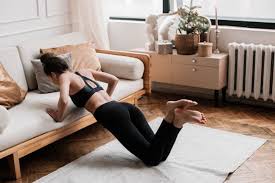
Home Workout For Beginners
Simple home workouts for beginners focus on basic movements that build strength and endurance. They use bodyweight or minimal equipment, making them accessible and effective for starting a fitness journey without leaving home.
Getting Started with Home Workouts
Starting a workout plan at home can feel like a big step. You might wonder what exercises are best. You might also worry about doing them the wrong way.
That’s a common feeling. The good news is, it doesn’t have to be complicated. We’ll focus on easy movements that work well.
These will help you feel better and get stronger, step by step. Think of it as building a good habit, one day at a time.
Why Home Workouts Are Great for Beginners
One of the biggest wins with home workouts is comfort. You can wear whatever feels good. You don’t have to worry about what others are doing.
This can make starting so much easier. Plus, you save time and money by not traveling to a gym. For beginners, this often means fewer excuses and more consistency.
And consistency is key to seeing results.
Your body will thank you for starting. Even a little movement helps boost your mood. It can also give you more energy.
Many people find they sleep better too. These are benefits you can feel quickly. They make sticking with it much more enjoyable.
So, let’s look at how to build a simple routine.
Your First Home Workout Routine
We’ll build a routine using just your body weight. This means you can do it anywhere. The focus will be on big muscle groups.
This helps build a good base. We will also include some moves that get your heart beating a little faster. This is good for your heart and lungs.
Remember to always listen to your body. If something feels painful, stop. It’s okay to modify moves.
The goal is to move safely. We want to build up strength and stamina slowly. Rushing can lead to injury.
We want this to feel good, not hard and scary.
Warm-Up: Get Your Body Ready
Before you start any workout, a warm-up is super important. It gets your blood flowing. It prepares your muscles for work.
This helps prevent aches and pains later. A good warm-up takes about 5 to 10 minutes. It should be light and dynamic.
This means moving your body.
Let’s try these simple warm-up moves:
- Marching in Place: Just lift your knees up and down. Swing your arms gently. Do this for 1 minute.
- Arm Circles: Stand with your feet apart. Make small circles with your arms forward. Do 10 circles. Then, make them backward. Do 10 more.
- Leg Swings: Hold onto a wall or chair for balance. Swing one leg forward and backward. Do 10 swings. Then switch legs.
- Torso Twists: Stand with feet shoulder-width apart. Gently twist your upper body side to side. Keep your hips steady. Do this for 1 minute.
These movements are easy. They get your whole body ready. They feel good and start to wake up your muscles.
Don’t rush them. Enjoy the feeling of getting ready to move.
The Main Workout: Simple Bodyweight Moves
Now for the main part! We’ll cover a few key exercises. These work different parts of your body.
We will aim for 2-3 sets of each move. Rest for 30-60 seconds between sets. Take your time.
Focus on doing each move with good form.
Core Strength Exercises
These moves build a strong middle. This helps with posture and everyday tasks.
- Squats: Stand with your feet shoulder-width apart. Lower your hips as if sitting in a chair. Keep your back straight. Go as low as you can comfortably. Push through your heels to stand back up. Do 10-12 reps.
- Lunges: Step forward with one leg. Lower your hips until both knees are bent at about 90 degrees. Your front knee should be over your ankle. Your back knee should almost touch the floor. Push off your front foot to return to start. Do 10-12 reps on each leg.
- Plank: Get on the floor on your forearms and toes. Keep your body in a straight line from head to heels. Don’t let your hips sag or rise too high. Engage your core muscles. Hold for 20-30 seconds.
Upper Body & Core
These help strengthen your arms, shoulders, and keep your core tight.
- Push-Ups (Knee or Wall): For beginners, it’s easier to do push-ups on your knees. Or, stand facing a wall and place your hands on it. Lower your chest towards the floor, keeping your body straight. Push back up. Do 8-10 reps.
- Bird-Dog: Start on your hands and knees. Extend your right arm straight forward and your left leg straight back. Keep your back flat. Hold for a second. Return to start. Repeat on the other side. Do 10-12 reps per side.
Remember, perfect form is more important than doing many reps. Watch some videos online if you’re unsure. Seeing the movement can really help.
Cardio Burst
These get your heart rate up for better endurance.
- Jumping Jacks: Stand with feet together, arms at sides. Jump, spreading legs wide and raising arms overhead. Jump again to return to start. Do 30 seconds.
- High Knees: March or lightly jog in place, bringing your knees up high towards your chest. Pump your arms. Do 30 seconds.
These cardio bursts can be added at the end of your strength work. Or you can do them on separate days. Just a few minutes can make a big difference.
Cool-Down: Stretch It Out
After your workout, it’s important to cool down. This helps your body recover. It can also help reduce muscle soreness.
Stretching after exercise is best. Hold each stretch for about 20-30 seconds. Breathe deeply.
Try these stretches:
- Quad Stretch: Stand and hold onto something for balance. Grab your ankle and gently pull your heel towards your glutes. Feel the stretch in the front of your thigh. Hold for 20 seconds. Switch legs.
- Hamstring Stretch: Sit on the floor with one leg extended. Bend the other leg, placing the sole of your foot against your inner thigh. Gently lean forward from your hips towards your extended foot. Keep your back straight. Hold for 20 seconds. Switch legs.
- Chest Stretch: Stand in a doorway. Place your forearms on the doorframe, elbows bent at 90 degrees. Step forward gently until you feel a stretch across your chest. Hold for 20 seconds.
- Triceps Stretch: Reach one arm overhead. Bend your elbow, letting your hand fall behind your head. Use your other hand to gently push down on the bent elbow. Feel the stretch in the back of your arm. Hold for 20 seconds. Switch arms.
A good cool-down helps your body relax. It signals that the work is done. This makes your muscles feel better.
It’s a peaceful way to end your session.
My First Home Workout Experience
I remember when I first decided to try working out at home. It was a gloomy Tuesday evening. The sky was gray, and so was my motivation.
I’d just finished a long day at my desk job. My body felt stiff, and my mind felt tired. The thought of going to a busy gym seemed exhausting.
I just wanted to stay on the couch.
But I also remembered how sluggish I’d felt the week before. I knew I needed to do something. So, I put on some comfy workout clothes.
I cleared a small space in my living room. I put on some upbeat music. My heart was pounding a little with nervousness.
Would I look silly? Would I even know what to do?
I started with some basic squats. My knees creaked a bit. I felt a little wobbly.
Then I tried a plank, and I couldn’t hold it for more than 15 seconds before my arms started shaking. It wasn’t glamorous. I definitely didn’t feel like a fitness model.
I felt a little clumsy and very aware of my own limits. But as I moved through the simple exercises, something shifted. A little warmth spread through my muscles.
My breathing got deeper. By the time I finished my last set of lunges, I felt a surprising surge of energy. It wasn’t the feeling of having conquered a huge challenge, but more like a quiet accomplishment.
I had done it. I had moved my body. And the feeling of pride was way better than the feeling of staying on the couch.
Making Your Home Workouts Effective
To get the most out of your home workouts, a few things can help. Consistency is the biggest factor. Try to schedule your workouts like any other important appointment.
Even 20-30 minutes a few times a week is great.
Focusing on your form is also key. It’s better to do fewer reps perfectly than many reps poorly. Watch videos or look at diagrams to understand the right way to move.
This prevents injuries and makes the exercise work better.
Don’t forget to breathe! Deep, controlled breathing helps. It brings oxygen to your muscles.
It also helps you stay calm and focused. And finally, be patient with yourself. Results take time.
Celebrate the small wins.
Quick Tips for Beginner Success
Find Your Time: Morning or evening? Choose what works for you.
Small Space Needed: You only need enough room to move your arms and legs.
Listen to Your Body: Never push through sharp pain.
Stay Hydrated: Drink water before, during, and after.
When to Worry and When It’s Just Normal
It’s normal to feel some muscle soreness a day or two after a new workout. This is called DOMS (Delayed Onset Muscle Soreness). It feels like a dull ache.
It usually goes away on its own within 48-72 hours. This means your muscles are getting stronger.
However, you should stop and rest if you feel any sharp pain during an exercise. Also, if you have swelling, redness, or pain that lasts for many days and doesn’t get better, it’s a good idea to talk to a doctor. For most people, starting with gentle movements and gradually increasing intensity will prevent these issues.
Normal vs. Concerning
Normal: Mild muscle soreness 1-2 days after exercise. Feeling a little tired but energetic overall. Wanting to do it again!
Concerning: Sharp pain during exercise. Swelling or bruising. Pain that doesn’t go away after a few days.
Extreme fatigue that lasts a long time.
Progression: What Comes Next?
Once you feel comfortable with this routine, you can start to make it a little harder. This is called progression. You don’t need to do it all at once.
Here are some ways to progress:
- Do More Reps: If you can easily do 12 squats, try for 15.
- Do More Sets: Add a third set to your exercises.
- Hold Planks Longer: Try holding for 45 seconds or even a minute.
- Add Light Weights: Use soup cans or water bottles for squats and lunges.
- Try New Moves: Look up variations of exercises you already do.
The key is to challenge yourself just a little bit more each week or two. Your body will adapt. This keeps it getting stronger and fitter.
Simple Ways to Make Exercises Harder
Increased Reps: Add 2-3 more repetitions to each set.
Increased Sets: Go from 2 sets to 3 sets of each exercise.
Reduced Rest: Shorten the rest time between sets to 30 seconds.
Add Resistance: Use light dumbbells, resistance bands, or even filled water bottles.
Making It a Habit
Starting is the hardest part. Keeping it going is the next challenge. How do you make working out a habit?
Think about why you started. Was it to have more energy? To feel stronger?
To manage stress?
Tie your workout to something you already do. Maybe you do your workout right after you brush your teeth in the morning. Or perhaps you do it while your dinner is cooking.
Finding a trigger helps. Also, tell a friend or family member about your goals. They can cheer you on.
Don’t aim for perfection. If you miss a day, it’s okay. Just get back to it the next day.
Missing one workout doesn’t ruin your progress. It’s the consistency over time that matters most. Think of it as building a strong foundation for your health.
Equipment for Home Workouts (Optional)
You can do a lot with just your bodyweight. But if you want to add a little more, some simple items can help. These aren’t necessary to start, but they can add variety later.
Great Starter Equipment
Yoga Mat: Makes floor exercises more comfortable and provides a clear workout space.
Resistance Bands: Inexpensive and versatile. They add resistance to many exercises.
Light Dumbbells (2-5 lbs): Good for adding weight to squats, lunges, and upper body moves.
Jump Rope: A simple way to add a fun cardio element.
Remember, you don’t need all of these at once. Start with what you have. Then, if you find you enjoy it and want to do more, you can slowly add things.
A good mat is often the first thing people buy.
Fueling Your Body for Home Workouts
What you eat plays a role in how you feel during your workouts. You don’t need a special diet. Just try to eat balanced meals.
This means including protein, healthy fats, and plenty of fruits and vegetables.
For a workout, you want energy. A banana or a small handful of nuts before a workout can be helpful. After your workout, focus on a meal or snack that includes protein.
This helps your muscles repair. Examples include yogurt with berries, or chicken with vegetables.
Hydration is also crucial. Drink water throughout the day. Before a workout, have a glass of water.
During your workout, sip water if you feel thirsty. This helps prevent fatigue and keeps your body working well.
Simple Nutrition Tips
Pre-Workout Snack (Optional, 30-60 min before): A piece of fruit (apple, banana), a small handful of almonds.
Post-Workout Recovery (Within 1 hour after): Greek yogurt with fruit, a protein shake, chicken breast with a side of veggies.
Everyday Eating: Focus on whole foods, lean protein, healthy fats, and lots of colorful vegetables and fruits.
Common Beginner Questions Answered
How often should a beginner work out at home?
For beginners, aiming for 2-3 times a week is a great start. Focus on good form. You can gradually increase to 4-5 days as you get stronger.
Rest days are important too!
How often should a beginner work out at home?
For beginners, aiming for 2-3 times a week is a great start. Focus on good form. You can gradually increase to 4-5 days as you get stronger.
Rest days are important too!
What if I don’t have much space for home workouts?
You don’t need a lot of space! Many exercises like squats, lunges, planks, and push-ups can be done in a small area. Just make sure you can move your arms and legs freely without hitting anything.
What if I don’t have much space for home workouts?
You don’t need a lot of space! Many exercises like squats, lunges, planks, and push-ups can be done in a small area. Just make sure you can move your arms and legs freely without hitting anything.
How long should a beginner’s home workout be?
Start with 20-30 minutes. This includes your warm-up and cool-down. As you get fitter, you can gradually increase the duration to 45-60 minutes if you wish.
How long should a beginner’s home workout be?
Start with 20-30 minutes. This includes your warm-up and cool-down. As you get fitter, you can gradually increase the duration to 45-60 minutes if you wish.
Is it okay to do the same workout every day?
It’s generally better to vary your workouts a bit. However, for beginners, doing the same basic routine 2-3 times a week is fine. As you advance, you’ll want to add different exercises to work different muscles and prevent boredom.
Is it okay to do the same workout every day?
It’s generally better to vary your workouts a bit. However, for beginners, doing the same basic routine 2-3 times a week is fine. As you advance, you’ll want to add different exercises to work different muscles and prevent boredom.
Can I lose weight with home workouts alone?
Yes, you can! Home workouts help burn calories and build muscle. Muscle burns more calories than fat, even at rest.
Combining workouts with a healthy diet is the most effective way to manage weight.
Can I lose weight with home workouts alone?
Yes, you can! Home workouts help burn calories and build muscle. Muscle burns more calories than fat, even at rest.
Combining workouts with a healthy diet is the most effective way to manage weight.
What should I do if I feel dizzy or lightheaded during a workout?
Stop immediately. Sit down or lie down. Take slow, deep breaths.
Make sure you are well-hydrated. If it happens often, consult a doctor. It could be a sign you need to adjust your intensity or nutrition.
What should I do if I feel dizzy or lightheaded during a workout?
Stop immediately. Sit down or lie down. Take slow, deep breaths.
Make sure you are well-hydrated. If it happens often, consult a doctor. It could be a sign you need to adjust your intensity or nutrition.
Conclusion: Your Fitness Journey Starts Now
Starting a home workout routine is a fantastic step towards a healthier you. Remember, it’s about progress, not perfection. These simple exercises are designed to be manageable and effective for beginners.
Listen to your body, stay consistent, and celebrate every small win along the way. Your home is your gym, and you’ve got this!

Related Posts
Quick Workout Before Work
15 Minute Home Workout