
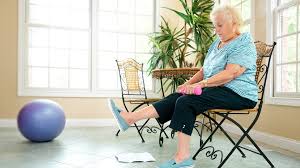
Home workouts for seniors focus on safe, effective exercises that improve strength, balance, and flexibility using little to no equipment. These routines are designed to be gentle on joints while building essential physical capabilities for daily life.
Why Home Workouts Matter for Seniors
Staying active as we age is super important. It helps our bodies keep working well. Our muscles stay strong, and our bones get tougher.
Good balance means fewer falls. More flexibility helps us reach and bend easier. These things make a big difference in our daily lives.
They help us do things like pick up grandchildren or reach the top shelf. They help us feel more independent and enjoy life more.
When you exercise at home, it’s safe and comfy. You don’t have to worry about traffic or weather. You can do it in your pajamas if you want!
It’s all about making fitness fit your life, not the other way around. You control the pace and the exercises. This makes it much easier to stick with it over time.
Understanding Strength Training Basics
Strength training is like giving your muscles a power-up. It uses resistance to make your muscles work harder. Over time, this makes them grow stronger.
For seniors, this is key. Stronger muscles help with everyday tasks. Lifting groceries becomes easier.
Getting up from a chair feels less like a struggle. Even just walking feels more solid.
You don’t need heavy weights to build strength. Your own body weight is a great starting point. Things like sitting and standing up from a chair can build leg strength.
Using resistance bands is another easy way to add challenge. These bands are light and easy to store. They let you work many different muscle groups safely.
The goal is to challenge your muscles just enough to help them grow.
Getting Started with Strength
Tip: Start slow. Do just a few reps at first. Focus on doing the move right.
It’s better to do 5 good moves than 20 sloppy ones.
Bodyweight Moves:
- Chair Squats: Sit and stand from a sturdy chair.
- Wall Push-ups: Lean against a wall and push away.
- Calf Raises: Stand and lift your heels off the floor.
It’s also good to remember that muscles need time to rest and repair. So, don’t work the same muscles hard every single day. Give them a day off in between.
This is when they get stronger. Think of it like letting your garden grow after you water it.
The Power of Balance Exercises
Balance is something many of us take for granted until it starts to slip. Poor balance is a big reason why falls happen. Falls can lead to serious injuries.
But the good news is, balance can be improved at any age. It’s a skill, and like any skill, it can be practiced and strengthened.
Balance exercises help your brain and body work together better. They train the small muscles in your feet and ankles. They also help your core muscles stay strong.
These are the muscles around your middle. A strong core is like a stable foundation for your whole body. It helps you stay upright and steady.
Balance Builders
What to try:
- Single Leg Stand: Hold onto a chair for support. Lift one foot off the floor for a few seconds. Try to do this for 10-30 seconds. Then switch legs.
- Heel-to-Toe Walk: Walk like you’re on a tightrope. Place the heel of one foot right in front of the toes of the other.
- Tai Chi Moves: Gentle, slow movements can greatly improve balance.
When you’re doing balance work, always have something nearby to hold onto. A sturdy table, counter, or wall works well. It’s okay to use support.
The goal is to improve, not to risk a fall. Even small improvements in balance can make a big difference in your confidence when walking.
Boosting Flexibility and Mobility
Flexibility is your body’s ability to bend and move. Mobility is how easily you can move your joints through their full range. As we get older, these can decrease.
This can make movements feel stiff. It might feel harder to turn your head or reach for things. Stretching helps combat this stiffness.
Gentle stretching helps muscles relax. It can also help reduce aches and pains. When your muscles are more flexible, your joints can move more freely.
This makes everyday activities feel less effortful. It’s like lubricating a squeaky door hinge. Everything just works better.
Easy Stretches for Home
Remember: Stretch gently. Never bounce. Feel a slight pull, not pain.
- Neck Turns: Slowly turn your head to look over one shoulder. Hold, then the other.
- Shoulder Rolls: Roll your shoulders forward and then backward.
- Hamstring Stretch: Sit on the floor or edge of a chair. Gently reach towards your toes.
- Quad Stretch: Stand and gently pull one heel towards your backside.
Stretching is often best done after a short warm-up. A few minutes of gentle walking in place can get your blood flowing. This prepares your muscles for stretching.
It helps prevent injury. Making stretching a part of your routine can really help you feel more limber.
My Own Experience with Home Workouts
I remember when my Aunt Carol first started thinking about home workouts. She lives alone and found it hard to get to the local senior center for classes. She worried about her strength and balance after a minor stumble.
I went over one afternoon, and we cleared a small space in her living room. It was just her sofa and a coffee table.
We started with simple chair stands. She thought it would be too easy. But after a few, she was breathing a bit harder and her legs felt tired.
Then we tried some arm raises with small water bottles. She giggled when one slipped from her grasp. It was a small moment, but it showed me how much fun this could be.
We focused on her breathing and making sure her movements were slow and controlled. By the end, she felt a pleasant tiredness, not exhaustion. That day, seeing her smile and feel a bit more capable, was a big turning point for her confidence.
Designing Your Safe Home Workout Space
You don’t need a fancy home gym. A small, clear space is all you need. Think about your living room, a spare bedroom, or even a corner of your kitchen.
Make sure the floor is not too slippery. If you have a rug, make sure it doesn’t bunch up. It should be safe to move around on.
Good lighting is also important. You want to see what you’re doing clearly. Remove any clutter or tripping hazards.
Think about furniture you might bump into. Move chairs or tables just a little if needed. Safety first is the best rule for home workouts.
Setting Up Your Zone
Essential checks:
- Clear space: Enough room to move your arms and legs freely.
- Non-slip surface: Avoid slippery rugs or floors.
- Sturdy support: A chair or wall for balance.
- Good lighting: To see your movements.
- No clutter: Keep the area free of things to trip over.
Having a dedicated spot can also help you get into the mindset for exercise. It becomes your “activity zone.” This mental cue can make it easier to start your workout. You know, “This is where I move my body.” It makes it feel more official and intentional.
Choosing the Right Exercises for You
The best home workout is one you can do safely and enjoy. There are many types of exercises that work well for seniors. The key is to pick ones that fit your current fitness level and any health conditions you might have.
Always talk to your doctor before starting any new exercise program. They can give you personalized advice. They can tell you what types of movements are best for you and what to avoid.
This is especially true if you have heart issues, joint pain, or other health concerns.
Exercise Categories for Seniors
Focus on these:
- Strength: Bodyweight, resistance bands. Builds muscle.
- Balance: Single leg stands, heel-to-toe walks. Prevents falls.
- Flexibility: Gentle stretches. Improves range of motion.
- Cardio: Brisk walking in place, step-ups. Good for heart health.
Think about what you want to achieve. Do you want more energy? Better sleep?
Easier movement for daily chores? Your goals will help guide your exercise choices. You can mix and match different types of exercises to get a well-rounded fitness routine.
Warm-Up: Getting Your Body Ready
Never jump straight into intense exercise. Your body needs a little time to wake up. A warm-up prepares your muscles and heart for activity.
It increases blood flow and makes your joints more ready to move. This can help prevent injuries. A good warm-up is usually short, about 5-10 minutes.
You can start with gentle movements. Marching in place is a great warm-up. Swinging your arms in a circular motion is also good.
Gentle leg swings, forward and back, can help. The goal is to get your body moving and feel a bit warmer. You should feel your heart rate pick up slightly.
Simple Warm-Up Ideas
Try these for 5 minutes:
- Marching in place.
- Arm circles (small, then bigger).
- Leg swings (forward/back, side-to-side).
- Ankle circles.
- Gentle torso twists.
Listen to your body during the warm-up. If something feels wrong, stop. The warm-up should feel easy and preparatory.
It’s not supposed to be tiring. It’s the gentle opening act before the main performance.
Strength Exercises You Can Do at Home
Building and maintaining muscle mass is vital for seniors. It helps with metabolism, bone health, and overall strength. You can achieve this without going to a gym.
Using your own body weight is a powerful tool. Resistance bands are also fantastic because they’re light and versatile.
Chair squats are a perfect example. Sit on a sturdy chair. Stand up slowly, using your leg muscles.
Then sit back down in a controlled way. This works your quads, hamstrings, and glutes. Aim for 10-15 repetitions.
If that’s too hard, start by just pushing up partially from the chair.
Key Strength Moves
Focus on form:
- Chair Squats: Sit and stand. Works legs and glutes.
- Wall Push-ups: Stand facing a wall. Place hands on wall, shoulder-width apart. Lean in and push back. Works chest and arms.
- Bicep Curls (with resistance bands or light weights): Hold band under feet, or light weights. Curl hands towards shoulders. Works biceps.
- Overhead Press (with bands or light weights): Start with weights/band at shoulder level. Push upwards. Works shoulders.
Resistance bands come in different strengths. You can start with a light band and move to a stronger one as you get fitter. They are great for exercises like rows, leg presses, and chest presses.
Always make sure the band is secure. Check for any signs of wear and tear before using it.
Balance and Stability Exercises
Good balance helps you feel more secure in your movements. It allows you to navigate your home and community with greater confidence. The exercises for balance often mimic everyday movements.
They help train your body to react quickly to shifts in your weight.
The single-leg stand is a classic. Stand near a counter or chair. Lift one foot slightly off the ground.
Try to hold this position. Start with just a few seconds. As you get better, hold it longer.
If you find it too difficult, try lifting your foot just an inch. The goal is to challenge yourself safely.
Improving Balance at Home
Practice these regularly:
- Tandem Stance: Stand with one foot directly in front of the other, like walking a straight line. Hold this.
- Heel Raises: Stand tall. Slowly lift your heels off the floor. Hold for a moment, then lower. Works calf muscles which aid balance.
- Toe Raises: Stand tall. Lift your toes off the floor, so you are balancing on your heels.
When you’re working on balance, focus on your core. Engage your abdominal muscles. This helps stabilize your trunk.
Imagine drawing your belly button in towards your spine. This simple act makes a big difference in your stability.
Flexibility and Mobility Drills
Stiffness can limit your ability to perform daily tasks. It can also lead to discomfort. Regular stretching can combat this.
It helps muscles stay elastic and joints move smoothly.
A simple seated hamstring stretch is great for many people. Sit on the edge of a chair. Extend one leg straight out in front of you.
Keep your heel on the floor. Gently lean forward from your hips, keeping your back straight. You should feel a stretch in the back of your thigh.
Hold for 20-30 seconds. Repeat on the other leg.
Daily Mobility Boosters
Incorporate these into your day:
- Cat-Cow Stretch (seated or on hands/knees): Arch your back, then round it. Helps spine mobility.
- Wrist Circles: Rotate your wrists in circles, both ways.
- Ankle Rolls: Lift one foot. Rotate your ankle in circles.
- Trunk Twists (seated): Gently twist your upper body side to side.
It’s also helpful to do these stretches when your muscles are warm. After your warm-up is ideal. But even doing them before bed can help you relax.
It can lead to better sleep and less morning stiffness.
Cardiovascular Health at Home
Heart health is crucial at any age. You don’t need to run marathons to get a good cardio workout. Many activities can get your heart rate up safely at home.
This improves circulation and boosts endurance.
Walking in place is a simple yet effective cardio exercise. Start by marching lightly. As you feel more comfortable, increase the pace.
You can add arm movements, like pumping your arms, to make it more vigorous. Aim for 15-30 minutes most days of the week.
Home Cardio Ideas
Get your heart pumping:
- Brisk Walking in Place: Increase speed and add arm movements.
- Step-Ups: Use a sturdy step or bottom stair. Step up with one foot, then the other. Repeat, then switch lead foot.
- Dancing: Put on your favorite music and move!
- Stair Climbing (if safe): Go up and down stairs slowly and carefully.
Listen to your body. If you feel dizzy or short of breath, slow down or stop. The “talk test” is a good guide.
You should be able to talk in short sentences while doing cardio. If you can’t speak at all, you’re working too hard.
Cool-Down: Winding Down Safely
Just like warming up, cooling down is important. It helps your heart rate return to normal gradually. It also allows your muscles to begin recovering.
A cool-down usually involves slowing down your activity and then doing some gentle stretches.
If you were walking in place, slow your pace to a gentle march. Then, stop and do some of the flexibility exercises you practiced earlier. Hold each stretch for a little longer during the cool-down, about 30 seconds.
This helps improve your flexibility over time. It feels good to end your workout calmly.
Cool-Down Routine
Follow these steps:
- Slow down your main activity (e.g., walk slower).
- Perform static stretches (hold each stretch).
- Focus on major muscle groups worked.
- Breathe deeply and relax.
A good cool-down can help prevent muscle soreness. It makes you feel more relaxed and less stiff after your workout. It’s the perfect way to signal to your body that the exercise session is complete.
What This Means for You
The great thing about home workouts is they are adaptable. What works one week might need a tweak the next. If you feel more energetic, you can do a bit more.
If you’re feeling tired or have a minor ache, you can do less or choose gentler movements.
Consistency is more important than intensity. It’s better to do a short, easy workout three times a week than a hard workout once a month. Find a routine that you can stick with.
It might take some trial and error to find what you enjoy and what feels best for your body.
When it’s normal to feel a little muscle tiredness a day or two after a new exercise. That’s called delayed onset muscle soreness (DOMS). It’s a sign your muscles are adapting.
But sharp, sudden pain is not normal. If you experience that, stop the exercise and consult your doctor.
Quick Tips for Staying Motivated
It’s easy to start a new habit, but sticking with it can be the hardest part. Here are some ideas that might help you stay on track with your home workouts:
- Schedule It: Treat your workout time like an important appointment. Put it in your calendar.
- Find a Buddy: If you have a friend or family member who also wants to exercise at home, do it together virtually.
- Celebrate Small Wins: Did you complete a week of workouts? Treat yourself to something nice (that isn’t unhealthy food!).
- Variety is Key: Mix up your exercises to prevent boredom. Try a new stretch or a different cardio move.
- Focus on How You Feel: Pay attention to the positive changes. More energy? Better sleep? Stronger?
- Don’t Aim for Perfection: Some days will be better than others. If you miss a day, just get back to it the next.
Remember, the goal is to improve your health and well-being. It’s about feeling better and living more fully. Any movement is better than no movement.
Be kind to yourself throughout the process.
Frequently Asked Questions About Home Workouts for Seniors
How often should seniors exercise at home?
Most health organizations recommend at least 150 minutes of moderate-intensity aerobic activity or 75 minutes of vigorous-intensity activity per week, spread throughout the week. For strength training, aim for at least two days per week, working major muscle groups. Balance exercises should be done daily or several times a week.
Consistency is key!
What are the best home exercises for seniors with arthritis?
Low-impact exercises are best. Focus on gentle range-of-motion movements, light strength training with resistance bands, and water exercises if available. Swimming or water aerobics can be very beneficial.
Avoid high-impact activities and exercises that cause sharp pain. Always consult your doctor or a physical therapist for personalized advice.
Can I build muscle at home without weights?
Absolutely! Your own body weight is a fantastic tool for building muscle. Exercises like squats, lunges, push-ups (even modified on a wall or knees), and planks can be very effective.
Resistance bands are also a great, affordable alternative to weights for adding challenge to your strength training.
How can I improve my balance at home?
Regularly practice balance exercises. Stand on one leg (using support if needed), walk heel-to-toe, and do gentle Tai Chi movements. Make sure your workout space is safe and clear of hazards.
Simple activities like standing up and sitting down from a chair without using your hands also help build leg strength crucial for balance.
What if I get tired easily during my workout?
It’s perfectly normal to get tired, especially when starting out. Listen to your body. Take breaks when you need them.
You can also shorten the duration of your workout or do fewer repetitions. Gradually increase the intensity or duration as your stamina improves. It’s better to do a little consistently than to push too hard and get discouraged.
Should I consult a doctor before starting a home workout program?
Yes, it’s highly recommended. Before beginning any new exercise program, especially if you have pre-existing health conditions, it’s wise to talk to your doctor. They can assess your current health, offer personalized advice, and help you choose exercises that are safe and effective for your individual needs.
They might also suggest consulting a physical therapist.
Concluding Thoughts on Home Fitness
Taking charge of your fitness at home is empowering. It’s about creating a healthier, stronger you right where you are. With simple steps and consistent effort, you can enjoy better mobility, balance, and overall well-being.
Your home is your gym, and your journey starts now!

Leave a Reply