
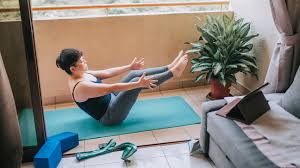
Creating a successful home workout for strength involves using your body weight effectively, focusing on compound movements, and progressively challenging yourself. Consistency and proper form are key to building muscle and improving overall fitness without relying on gym equipment.
Understanding Home Workout Strength
What does “strength” even mean when we talk about working out at home? It’s about making your muscles work harder. It’s about being able to lift things more easily.
It’s also about feeling more stable and confident in your body. When you do a home workout for strength, you’re training your muscles to handle more load. This load can come from your own body weight, or from simple things you find around the house.
Think about it. When you stand up from a chair, you’re using strength. When you carry groceries, that’s strength in action.
Building strength at home makes these everyday tasks feel lighter. It also helps protect your joints and can even boost your mood. It’s a win-win for your body and mind.
The main idea is that muscles grow and get stronger when they are challenged. They need a reason to adapt. At home, we can give them that reason using specific movements and by gradually increasing the difficulty.
It’s like teaching your muscles new tricks, but way more effective.
We’ll focus on exercises that use multiple muscle groups at once. These are called compound movements. They give you more bang for your buck.
Instead of doing one exercise for your arms and another for your legs, you can do one exercise that works both. This is very efficient for building overall strength.
You’ll learn to listen to your body. It’s not about pushing yourself to extreme pain. It’s about finding that good challenge.
The kind that makes you feel like you’ve accomplished something. And the kind that makes your muscles a little tired, but in a good way. This is how progress happens.
We’ll also talk about how to make exercises harder as you get stronger. This is called progression. If something feels too easy, we need to find ways to make it a bit tougher.
This keeps your muscles guessing and ensures you keep getting stronger over time.
My Own Home Strength Journey
I remember when I first decided to try building strength at home. I was working late one night. My apartment felt small.
The gym membership felt like a waste because I was always too tired to go. I looked at my simple living room. I wondered if I could really get stronger without any weights.
I felt a bit silly. Could a few push-ups and squats really do anything? There was a definite feeling of doubt, mixed with a spark of hope.
I decided to try a simple bodyweight circuit. The first few reps were okay, but by the end of the second round, my legs were shaking. My arms felt like jelly.
It was a humbling but exciting moment. I realized my own body weight was a powerful tool. It was a moment of “aha!” that changed my approach to fitness.
I felt a surge of accomplishment, even though I was just on my living room floor.
That night, I learned a big lesson. Strength isn’t just about lifting heavy things. It’s about how your body moves and supports itself.
It’s about the effort you put in. The feeling of my muscles working hard was proof that I was on the right track. It was a far cry from feeling weak or discouraged.
It was the start of seeing my home as a personal fitness space. This feeling of empowerment was what I craved. It showed me that real change could happen with simple actions and a clear plan.
I started to notice how many everyday activities required strength. Carrying my reusable grocery bags felt easier. Climbing stairs became less of a chore.
Even just standing for longer periods felt more comfortable. This was direct proof that my effort was paying off. It wasn’t just about aesthetics; it was about functional strength that made my life better.
It was an exciting realization that fitness could be integrated seamlessly into my daily routine.
The key was consistency. Some days I felt super motivated. Other days, it was a struggle to even start.
But showing up, even for a short workout, made a difference. I learned that progress wasn’t always linear. There were ups and downs.
But the overall trend was upward. This understanding helped me stay committed. It taught me that patience and persistence are just as important as the exercises themselves.
One of the biggest challenges was knowing when to push myself. I didn’t want to get injured. But I also didn’t want to waste my time doing something too easy.
I started reading about proper form. I watched videos carefully. I focused on the feeling of the muscles working.
This mindful approach helped me get more out of each movement. It also built a stronger mind-body connection. This awareness is crucial for safe and effective training.
What stood out most was the sheer variety of exercises possible with just body weight. I discovered new ways to challenge myself. Things like single-leg squats, variations of push-ups, and plank holds.
Each offered a unique way to test my limits. It showed me that endless possibilities existed within the four walls of my home. This opened up a new world of fitness.
It felt like unlocking a secret level of capability. The initial doubt melted away, replaced by genuine enthusiasm.
This personal journey taught me that a home workout for strength is accessible to everyone. It requires a bit of know-how and dedication. But the rewards are immense.
You gain not just physical strength, but also confidence and a sense of self-reliance. It’s about taking control of your fitness, on your terms.
Bodyweight Exercises: Your Strength Toolkit
Think of these as the building blocks for your home strength routine:
- Squats: Work your legs and glutes.
- Push-ups: Target your chest, shoulders, and arms.
- Lunges: Great for leg strength and balance.
- Planks: Build core strength.
- Glute Bridges: Strengthen your glutes and lower back.
Getting Started: Setting Up Your Home Workout
You don’t need a special room or fancy gear. Your living room, bedroom, or even a clear spot in the kitchen can work. Just make sure you have enough space to move freely.
You want to be able to extend your arms and legs without hitting furniture. Clear some clutter if needed.
Comfortable clothing is important. Wear clothes that let you move easily. Think about your feet too.
You can do most exercises barefoot for better grip. Or wear supportive shoes if that feels better for you. Make sure the floor isn’t too slippery.
A water bottle is a good idea. Staying hydrated is crucial for any workout. You might also want a small towel to wipe away sweat.
These simple items make your workout more comfortable.
Most importantly, create a mindset for success. Tell yourself you can do this. You are building strength.
You are taking care of yourself. This mental part is very powerful. It helps you stick with it, even on days you don’t feel like it.
Think about a consistent time to work out. Maybe it’s first thing in the morning. Or perhaps it’s after work.
Finding a routine helps make it a habit. It signals to your brain that it’s time to move.
Don’t feel pressured to do a long workout right away. Start small. Even 15-20 minutes a few times a week can make a big difference.
As you get stronger, you can gradually increase the time and intensity.
The goal is to make it sustainable. Something you can do week after week. It’s not about a quick fix.
It’s about building a healthier, stronger you over time. This journey is personal. Celebrate small wins along the way.
Your First Home Strength Session: A Quick Guide
Warm-up (5 minutes):
- Jumping jacks (light)
- Arm circles (forward and backward)
- Leg swings (forward and side to side)
- Torso twists
Workout (15-20 minutes):
Perform 2-3 rounds of the following:
- Squats: 10-12 reps
- Push-ups (on knees or toes): 8-10 reps
- Lunges (alternating legs): 8-10 reps per leg
- Plank: Hold for 20-30 seconds
- Glute Bridges: 12-15 reps
Cool-down (5 minutes):
- Gentle stretching for major muscle groups (quads, hamstrings, chest, shoulders).
The Power of Bodyweight Exercises
Bodyweight exercises are fantastic for building strength. They use your own body as resistance. This means you can get a great workout anywhere.
You don’t need to buy expensive equipment. This makes it very accessible. It’s a practical way to start a home workout for strength.
When you do bodyweight exercises, you learn to control your movements. This helps build good form. Good form is crucial for preventing injuries.
It also makes the exercise more effective. You feel the muscles working better.
Think about a push-up. Your body weight is the resistance. Your chest, shoulders, and triceps all work together.
Your core has to stay strong to keep your body in a straight line. This is a compound movement that hits many muscles at once.
Squats are another great example. They work your quads, hamstrings, glutes, and even your core. When done correctly, they are a powerful tool for building lower body strength.
You can change how you do them to make them harder or easier.
Planks are excellent for core strength. Your abdominal muscles, back muscles, and even your shoulders have to work to hold the position. A strong core is vital for almost every movement you make.
The beauty of bodyweight training is its scalability. You can adjust the difficulty in many ways. You can change the tempo of the movement.
You can increase the number of repetitions. You can decrease the rest time between sets. You can even change your body position.
For example, if regular push-ups are too hard, you can do them on your knees. This makes it easier. As you get stronger, you can progress to full push-ups.
If squats feel too easy, you can try jump squats or hold a heavy book.
This ability to adapt makes bodyweight training suitable for all fitness levels. Whether you’re a beginner or more advanced, you can find challenges. You can always find ways to push yourself further.
Progression Techniques for Bodyweight Strength
Making Exercises Harder:
- Increase Reps: Do more repetitions of the same exercise.
- Increase Sets: Do more total sets of the exercise.
- Decrease Rest: Shorten the time you rest between sets.
- Change Tempo: Slow down the movement (e.g., 3 seconds down, 1 second up).
- Add Pauses: Hold the hardest part of the exercise for a few seconds.
- Increase Range of Motion: Squat deeper, or elevate your hands for push-ups to go lower.
- Unilateral Training: Work one limb at a time (e.g., single-leg squats, one-arm push-ups – with modifications).
- Plyometrics: Add explosive movements like jumps.
Compound Movements for Maximum Impact
When you want to build strength efficiently, compound movements are your best friend. These are exercises that use more than one joint and multiple muscle groups at the same time. They mimic natural, everyday movements.
This makes them very functional for building overall strength.
Think about a squat. It involves your hips, knees, and ankles. Muscles like your quads, hamstrings, glutes, and even your core all work together.
This is far more efficient than doing a leg extension (which isolates one muscle) and then a hamstring curl. You get a bigger workout in less time.
Other great compound movements for a home workout for strength include:
- Push-ups: Chest, shoulders, triceps, and core.
- Lunges: Quads, hamstrings, glutes, and core for stability.
- Pull-ups/Chin-ups (if you have a bar): Back, biceps, and shoulders. If no bar, rows using a sturdy table edge can work similar muscles.
- Burpees: A full-body movement that includes a squat, push-up, and jump.
- Mountain Climbers: Great for core and cardio, but also engages shoulders and arms.
Why are these so effective? They require coordination. Your brain has to send signals to multiple muscles at once.
This strengthens the communication between your brain and your muscles. This is often called neuromuscular adaptation. It’s a key part of getting stronger.
Also, compound movements tend to burn more calories. Because you’re using more muscle mass, your body works harder. This can be a nice bonus if you’re also looking to manage your weight.
You get strength and a bit of a cardio boost.
When you focus on compound movements, you build functional strength. This is the strength you use in real life. Being able to lift a box, carry a child, or even just get up from a low chair becomes easier.
This type of strength has a huge impact on your quality of life.
It’s important to learn the proper form for each of these movements. Watching videos and even practicing in front of a mirror can help. Focus on controlled, smooth movements.
Don’t rush through them.
If a compound movement is too difficult initially, you can use modifications. For example, if you can’t do a full push-up, do them on your knees. If lunges are hard on your balance, hold onto a wall or chair for support.
The key is to find a way to perform the movement with good form.
As you get stronger, you can increase the difficulty using the progression techniques we talked about. This might mean doing more reps, adding a pause at the bottom of your squat, or doing a more challenging variation of the push-up.
The synergy of multiple muscles working together is what makes compound exercises so powerful. They create a ripple effect, building strength and resilience throughout your entire body. This holistic approach is fundamental to a well-rounded strength program.
Compound vs. Isolation Exercises: Why Choose Compound?
Compound Exercises
- What they are: Work multiple muscle groups and joints simultaneously.
- Examples: Squats, push-ups, lunges, deadlifts (if equipment allows).
- Benefits: Build functional strength, more efficient, burn more calories, improve coordination.
Isolation Exercises
- What they are: Target a single muscle group and joint.
- Examples: Bicep curls, leg extensions, calf raises.
- Benefits: Can be used for specific muscle targeting or rehabilitation.
- Home Strength Focus: Less emphasis needed for general strength.
For a home workout for strength, prioritize compound movements for the best overall results.
Making Your Home Workout Progressive
So, you’ve started doing squats and push-ups. They feel good, but maybe a little too easy now. That’s a great sign!
It means your muscles are adapting. To keep getting stronger, you need to make your workouts progressive. This means gradually increasing the challenge over time.
The most common way to progress is by increasing the number of repetitions. If you were doing 10 squats, try for 12 next time. If that feels good, aim for 15.
Once you can easily do a high number of reps (like 20 or more) with good form, it might be time to try a different method of progression.
Another way is to increase the number of sets. If you were doing 3 sets of 10 squats, try doing 4 sets of 10. This adds more volume to your workout, which also challenges your muscles.
Decreasing rest time between sets is also a powerful tool. If you were resting for 60 seconds between sets, try resting for 45 seconds. This makes your workout more intense and improves your muscular endurance.
You can also change the tempo of your exercises. Instead of doing a squat quickly, try slowing down the movement. Go down for 3 seconds, pause at the bottom for 1 second, and then come up for 2 seconds.
This increased time under tension can significantly boost strength gains.
Changing the exercise variation is another excellent way to progress. For push-ups, this could mean going from knee push-ups to full push-ups, then to decline push-ups (feet elevated), or even close-grip push-ups for more triceps work.
For squats, you could progress to split squats, Bulgarian split squats (rear foot elevated), or even try pistol squats (single-leg squats) with assistance. These variations demand more balance and strength.
Don’t forget about adding pauses. Hold the bottom position of a squat or the top position of a glute bridge for a few seconds. This forces your muscles to work harder and builds isometric strength.
The key is to listen to your body. Progression should be challenging but not impossible. If you feel sharp pain, stop.
It’s better to back off slightly than to risk injury. You want to push your limits, but safely.
Tracking your workouts can be very helpful. Write down how many reps, sets, and what variations you did. This way, you can see your progress over time and know exactly what to aim for in your next session.
It’s a tangible way to see your strength grow.
Remember that consistency is more important than one perfect workout. Small, consistent improvements add up over weeks and months. This gradual increase in demand is what signals your muscles to become stronger and more resilient.
It’s the engine of growth for your home workout for strength.
Progressive Overload: The Key to Getting Stronger
What is Progressive Overload?
It’s the principle of gradually increasing the stress placed on your muscles over time. Your muscles adapt to the current stress, so you need to increase it to force further adaptation (strength gain).
How to Apply it at Home:
- Reps: Go from 10 to 12, then 15.
- Sets: Go from 3 sets to 4 sets.
- Weight: (If using household items) Use heavier items.
- Difficulty: Move from knee push-ups to full push-ups.
- Volume: Combine reps, sets, and reduced rest.
Without progression, your strength gains will stall.
Building a Balanced Home Workout Routine
To get strong all over, your home workout for strength needs to be balanced. This means hitting all the major muscle groups. You don’t want to be super strong in your legs but have weaker upper body muscles, or vice versa.
A balanced routine typically includes exercises that work your:
- Legs and Glutes: Squats, lunges, glute bridges, calf raises.
- Chest, Shoulders, and Triceps (Pushing Muscles): Push-ups (various forms), dips (using a chair or step).
- Back and Biceps (Pulling Muscles): Rows (using a sturdy table edge, resistance bands, or household items like a backpack filled with books), pull-ups/chin-ups if you have a bar.
- Core: Planks (front, side), crunches, leg raises, Russian twists (with or without weight).
The goal is to include movements that push and movements that pull. For example, push-ups are a pushing exercise. Rows are a pulling exercise.
Doing both helps create balanced strength and prevents muscle imbalances.
How often should you do this? For building strength, aiming for 2-3 full-body workouts per week is often effective. This allows your muscles enough time to recover and rebuild between sessions.
Recovery is when the actual muscle growth and strengthening happens.
You can structure your workouts in a few ways:
- Full Body Workouts: Do exercises for all major muscle groups in each session. This is great for beginners and time-efficient.
- Upper/Lower Split: Dedicate one workout day to upper body and another to lower body. This might be more advanced.
For most people starting at home, full-body workouts are ideal. They ensure you’re hitting everything regularly.
Listen to your body. If a certain muscle group feels particularly sore, give it an extra day of rest. You can still work other parts of your body.
For instance, if your legs are sore, you can do an upper body and core workout.
Don’t forget the importance of warm-ups and cool-downs. A good warm-up prepares your muscles for work. A cool-down helps your body recover.
These small steps contribute to your overall consistency and safety.
Creating a balanced routine ensures you’re developing a strong, capable body from head to toe. It prevents weaknesses from developing and promotes overall athletic ability. This holistic approach is fundamental to a successful and sustainable home workout for strength.
Sample Weekly Home Strength Schedule (Full Body)
Monday: Full Body Strength Workout 1
Tuesday: Rest or Light Activity (walking, stretching)
Wednesday: Full Body Strength Workout 2 (can be similar or slightly varied)
Thursday: Rest or Light Activity
Friday: Full Body Strength Workout 3 (focus on progression)
Saturday & Sunday: Rest or Active Recovery
Key: Aim for 2-3 strength sessions per week, allowing at least one rest day between them.
Nutrition and Recovery for Muscle Growth
Getting stronger isn’t just about the workout itself. What you eat and how you recover play huge roles. Your muscles need the right fuel to perform and then to rebuild stronger.
For muscle growth, protein is essential. It’s like the building blocks for your muscles. You can get protein from sources like lean meats, poultry, fish, eggs, dairy, beans, lentils, tofu, and nuts.
Try to include a good source of protein with each meal.
Carbohydrates are also important. They give you energy for your workouts. Whole grains, fruits, and vegetables are great sources of healthy carbs.
They also provide vitamins and minerals your body needs.
Don’t forget healthy fats. They are important for hormone production and overall health. Avocados, nuts, seeds, and olive oil are good choices.
Hydration is key. Drink plenty of water throughout the day. This helps your muscles function properly and aids in recovery.
After your workout, your body is ready to repair and rebuild. This is where recovery comes in. Sleep is one of the most critical recovery tools.
Aim for 7-9 hours of quality sleep per night.
During sleep, your body releases growth hormones and repairs muscle tissue. Skimping on sleep can hinder your progress significantly. It’s when the actual muscle growth and strengthening happens.
Active recovery is also beneficial. This means doing light activities on your rest days. Things like walking, gentle yoga, or stretching can help improve blood flow to your muscles.
This aids in removing waste products and delivering nutrients.
Listen to your body. If you feel overly tired or sore, it might mean you need more rest. Pushing too hard without adequate recovery can lead to burnout or injury.
Building strength is a marathon, not a sprint.
Think of your nutrition and recovery as the other half of your home workout for strength. They support and amplify the hard work you do during your training sessions. Without them, your efforts might not yield the results you expect.
Post-Workout Nutrition Basics
Timing: Aim to eat a balanced meal or snack within 1-2 hours after your workout.
Key Components:
- Protein: To repair muscle tissue. (e.g., chicken breast, Greek yogurt, protein shake)
- Carbohydrates: To replenish energy stores. (e.g., fruit, sweet potato, brown rice)
- Healthy Fats: For overall health and hormone balance. (e.g., avocado, nuts)
Hydration: Drink water to rehydrate.
When to Worry and When It’s Normal
It’s totally normal to feel some muscle soreness after a strength workout. This is called Delayed Onset Muscle Soreness (DOMS). It usually shows up 24-48 hours after exercise and feels like a dull ache or tenderness in your muscles.
This is a sign that your muscles have been challenged and are recovering. It’s a good thing!
What’s not normal is sharp, sudden pain during an exercise. If you feel a shooting or stabbing pain, stop immediately. This could be a sign of an injury like a strain or sprain.
If muscle soreness is extremely severe, lasts for more than a few days, or prevents you from moving normally, it might be a sign you pushed too hard. It’s okay to take an extra rest day or reduce the intensity for your next few workouts.
You might also notice your strength levels fluctuate. Some days you’ll feel stronger than others. This is normal and can be due to sleep quality, nutrition, stress levels, or even just how your body is feeling that day.
Don’t get discouraged by slight dips.
If you’re consistently unable to complete the target number of reps or sets that you could easily do before, and it’s not due to fatigue, that might be something to look into. However, for most people, this isn’t a concern.
The main signs to pay attention to are:
- Sharp or sudden pain during exercise.
- Severe, persistent pain that limits movement.
- Swelling or bruising that appears without a clear injury.
If you experience any of these, it’s wise to consult a healthcare professional or a physical therapist. They can help diagnose the issue and guide you on recovery.
For a home workout for strength, focusing on proper form is your best defense against injury. It allows your muscles to do the work intended without putting undue stress on joints or connective tissues. Learning and practicing good form is paramount.
Remember that building strength is a process. There will be days that feel harder than others. The key is to remain consistent and tune into what your body is telling you.
This awareness helps you train effectively and safely.
Normal vs. Concerning: Strength Workout Signals
Normal:
- Mild to moderate muscle soreness 24-48 hours after exercise (DOMS).
- Slight fatigue after a challenging workout.
- Feeling stronger and more capable over weeks and months.
- Variations in daily strength performance.
Concerning:
- Sharp, stabbing, or sudden pain during exercise.
- Severe, debilitating muscle soreness that lasts for days.
- Joint pain or swelling.
- Inability to perform movements you could do previously without pain.
Action: If you experience concerning signals, rest and consult a doctor or physical therapist.
Quick Fixes and Tips for Home Strength
You don’t need a lot of time or equipment to build strength at home. Here are some quick tips to make your workouts more effective and sustainable.
- Start Small: Don’t try to do too much too soon. A 20-minute workout several times a week is better than a 1-hour workout once a month.
- Focus on Form: It’s better to do fewer reps with perfect form than many reps with poor form. Watch videos and practice.
- Use Household Items: Heavy books, water jugs, or backpacks filled with items can add resistance to exercises like squats, lunges, or rows.
- Shorten Rest Times: To make your workout more intense and time-efficient, reduce the rest between sets.
- Incorporate Pauses: Holding the toughest part of an exercise (like the bottom of a squat) for a few seconds increases muscle tension.
- Listen to Your Body: If you’re overly tired, take an extra rest day. Pushing through extreme fatigue can lead to injury.
- Stay Consistent: Aim for regular workouts. Consistency is more important than intensity when you’re starting out.
- Vary Your Routine: Change up your exercises or variations every few weeks to keep your muscles challenged and prevent boredom.
- Stay Hydrated: Drink water before, during, and after your workout.
- Celebrate Progress: Acknowledge your achievements, no matter how small. This keeps you motivated.
These tips can help you maximize your home workout for strength. They focus on making the most of your time and resources.
Frequently Asked Questions About Home Strength Workouts
How often should I do a home workout for strength?
For most beginners, aiming for 2-3 full-body strength workouts per week is effective. This allows your muscles enough time to recover and rebuild between sessions. Listen to your body; if you feel very sore, add an extra rest day.
Do I need any equipment for a home workout for strength?
No, you don’t necessarily need special equipment. Your body weight provides excellent resistance. You can also use common household items like sturdy chairs, water jugs, or heavy books to add extra challenge to exercises like squats, lunges, or rows.
What are the best bodyweight exercises for building strength?
The best bodyweight exercises for strength are compound movements. These include squats, lunges, push-ups (on knees or toes), planks, and glute bridges. These exercises engage multiple muscle groups simultaneously, leading to more efficient strength building.
How do I know if I’m progressing with my home workouts?
Progression is key. You’ll know you’re progressing if exercises start to feel easier. You can then increase the difficulty by doing more repetitions, more sets, decreasing rest times, slowing down the tempo, or trying more challenging exercise variations.
Keeping a workout log can help you track your progress.
How long does it take to see results from a home strength workout?
You can often start to feel stronger and notice improvements in endurance within 2-4 weeks of consistent training. Visible muscle changes might take 4-8 weeks or longer, depending on your consistency, effort, and diet. Strength gains happen steadily with regular effort.
Is it safe to do strength training at home without a trainer?
Yes, it can be very safe if you prioritize proper form. Start with simpler variations of exercises and watch reputable instructional videos. If you experience any sharp pain or have concerns, it’s always best to consult with a healthcare professional or a certified trainer for guidance.
Conclusion and Next Steps
Building strength at home is absolutely achievable. You’ve learned that your own body is a powerful tool. Compound movements and progressive overload are your best friends.
By focusing on consistent, balanced workouts, you can transform your home into your personal fitness sanctuary. Remember to fuel your body well and allow for rest. You’ve got this!

Leave a Reply