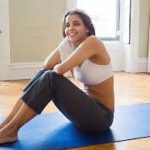
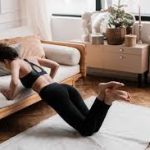
You can achieve a strong and toned midsection with effective ab exercises that require no equipment. Focus on proper form and consistency for best results in your own home.
Building a Strong Core Without Equipment
A strong core is more than just having visible abs. It’s about stability. It helps with everyday tasks.
It also helps prevent injuries. Your core muscles include your abs. They also include your back muscles.
And your pelvic floor muscles.
When you work these muscles together, you get a solid foundation. This foundation supports your whole body. Many exercises can target these muscles.
You don’t need weights. You don’t need fancy machines. Your own body weight is enough.
Let’s break down what makes a great home ab workout. We’ll look at common exercises. We’ll also explore how to make them work for you.
This means feeling stronger. It means moving better.
The key is variety. Doing the same thing over and over gets boring. It also stops giving you results.
Your muscles need new challenges. We will explore different ways to challenge your abs. This will help you see progress.
It will also keep your workouts fresh and fun. Ready to get started?
My Own Battle with the Living Room Plank
I remember staring at the floor. It was a Tuesday evening. I had just finished dinner.
My favorite show was on, but I felt a familiar guilt. I knew I should do something for my abs. I’d seen so many ads for ab gadgets.
But I just didn’t want to buy anything else. My apartment was already full of things I rarely used.
I decided to try a plank. It sounded simple. Just hold a position.
I got down on the floor. I remember the slight coolness of the carpet. I held myself up on my forearms and toes.
My arms started to shake almost right away. My back felt like it was dipping. I thought, “This can’t be right.” I lasted maybe 15 seconds.
It felt like an hour. My muscles were burning. But it was the bad kind of burn.
It felt weak. I felt discouraged. I thought maybe I just wasn’t meant to have strong abs.
Or maybe I really did need that magic ab machine. That feeling of not being good enough is what stops many people. It certainly almost stopped me.
Core Muscles at a Glance
Rectus Abdominis: This is the “six-pack” muscle. It helps bend your spine forward. It’s key for sit-ups.
Obliques: These are on your sides. They help you twist and bend sideways. They are important for balance.
Transverse Abdominis: This is your deepest ab muscle. It acts like a corset. It supports your spine and organs.
Lower Back Muscles: These work with your abs. They keep your back strong and stable.
Understanding Your Ab Workout Goals
When most people think of ab workouts, they picture a six-pack. While visible abs are great, they are just one part of the picture. A truly strong core does so much more.
It improves your posture. It makes lifting things easier. It helps you run faster.
It keeps you stable when you play sports.
Having a strong core can even help with back pain. Many people suffer from lower back discomfort. Often, weak core muscles are a big reason why.
Strengthening your abs and back can help reduce this pain. It gives your spine better support.
So, what are you aiming for? Is it to look good? Is it to feel stronger?
Is it to move better? Or is it to avoid injuries? The best home ab workout no equipment plan will support all these goals.
It’s not just about one thing. It’s about overall body health.
The Foundational No-Equipment Ab Exercises
These are the building blocks. They are simple but very effective. You can do them anywhere.
No special mats are needed. Just a clear spot on the floor.
Crunches: Lie on your back. Bend your knees. Keep your feet flat on the floor.
Place your hands behind your head or across your chest. Lift your head and shoulders off the floor. Focus on squeezing your abs.
Lower back down slowly. Don’t pull on your neck. Move with control.
Leg Raises: Lie on your back. Keep your legs straight. You can place your hands under your lower back for support if needed.
Lift your legs up towards the ceiling. Keep them as straight as you can. Lower them back down slowly.
Stop just before they touch the floor. This keeps tension on your abs.
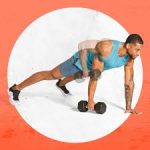
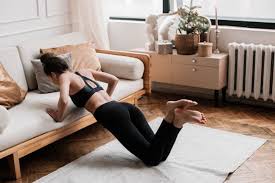
Plank: This is a fantastic exercise. Get into a push-up position. Then lower yourself onto your forearms.
Keep your body in a straight line from head to heels. Engage your abs. Don’t let your hips sag or rise too high.
Hold this position. Start with 20-30 seconds. Work up to longer holds.
Bicycle Crunches: Lie on your back. Bring your knees up. Place your hands behind your head.
Lift your shoulders off the floor. Bring your right elbow towards your left knee. Straighten your right leg.
Then switch sides. Bring your left elbow towards your right knee. Keep going in a pedaling motion.
This hits your obliques well.
Russian Twists: Sit on the floor. Bend your knees. Lean back slightly.
Keep your back straight. You can lift your feet off the floor for a harder version. Clasp your hands together.
Twist your torso from side to side. Touch the floor next to your hip if you can. This targets the sides of your abs.
Myth Buster: You Need Weights for Strong Abs
Myth: You can only build strong abs with heavy weights or machines.
Reality: Your body weight is a powerful tool. Exercises like planks, crunches, and leg raises use gravity.
They create enough resistance to build strength. Adding variations and increasing hold times also boosts effectiveness.
Making the Most of Your Home Ab Workout
Doing the exercises is one thing. Doing them right is another. Proper form is super important.
It makes the exercise work as intended. It also stops you from getting hurt. Let’s talk about form for a few key moves.
For crunches, think about lifting with your abs. Imagine your belly button pulling towards your spine. Don’t yank your head forward with your hands.
Keep your neck long and relaxed. Your chin should stay slightly tucked.
With leg raises, the trick is to keep your lower back on the floor. If your back arches, your abs aren’t doing the main work. Your hips might also lift off the floor.
Try bending your knees more if this happens. Or try bringing your legs up higher. You want to feel the work in your lower abs.
Planks are all about the straight line. Imagine a ruler along your back. No bumps or dips allowed!
Engage your glutes too. This helps keep your hips from dropping. Squeeze your abs tight.
For bicycle crunches, focus on the twist. It’s not just about moving your legs. It’s about bringing your elbow to meet your opposite knee.
Control the movement. Don’t let your legs flail.
Russian twists are similar. Keep your back straight. Don’t hunch over.
The twist comes from your torso. Imagine you’re wringing out a towel. This engages your obliques.
It keeps the exercise effective.
A Day in the Life: My Kitchen Floor Workout
It was a Saturday morning. Sunlight streamed into my kitchen. I didn’t have time for a long workout.
But I still wanted to hit my abs. I decided to do a quick circuit right there. I rolled out my yoga mat.
It was small, but it did the job.
First, I did 30 seconds of plank. I focused on keeping my body stiff. Then, I moved to bicycle crunches.
I did 20 on each side. My heart rate picked up a little. Then, I did 15 leg raises.
I made sure to lower my legs slowly. Lastly, I finished with 30 Russian twists, feet lifted. I felt a good burn.
It took less than 10 minutes. But I knew I had worked my core hard. That feeling of accomplishment right there in my kitchen was great.
It proved I didn’t need a gym to get results.
Quick-Scan Table: Beginner Ab Moves
| Exercise | Focus Area | How to Make it Easier | How to Make it Harder |
|---|---|---|---|
| Crunches | Upper Abs | Keep feet on floor, hands on chest | Slow down the movement, add a slight pause |
| Leg Raises | Lower Abs | Bend knees more, place hands under hips | Keep legs straighter, lower slowly |
| Plank | Full Core | Drop to knees | Hold longer, lift one leg or arm |
| Bicycle Crunches | Obliques, Upper Abs | Move slower, focus on touch | Faster pace, hold elbow to knee |
Adding Variety for Better Results
Your muscles adapt. That’s normal. If you do the same three exercises every day, you’ll hit a plateau.
To keep seeing changes, you need to mix things up. There are so many ways to challenge your abs without equipment.
Think about different types of movement. We’ve covered bending forward (crunches) and twisting (Russian twists). What about side bending?
What about holding still under tension (plank)?
Consider exercises that engage your core for stability. For example, during push-ups, your abs work hard to keep your body straight. Even squats work your core to keep you upright.
Here are some variations to try:
Side Plank: Lie on your side. Stack your feet. Prop yourself up on one forearm.
Lift your hips off the floor. Your body should form a straight line. Hold this.
Then switch sides. This is great for your obliques.
Flutter Kicks: Lie on your back. Lift your legs a few inches off the floor. Keep them straight.
Move your legs up and down in small, rapid movements. Imagine you are kicking through water. Keep your abs tight so your back doesn’t arch.
Scissor Kicks: Lie on your back. Lift your legs. Move them in a criss-cross motion.
One leg crosses in front of the other. Then they switch. This also works the lower abs and obliques.
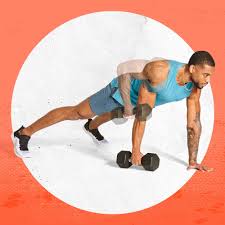
Mountain Climbers: Start in a plank position. Bring one knee towards your chest. Then quickly switch legs.
It looks like you are running in place. This is a cardio and core workout. It’s intense.
Bird-Dog: Start on your hands and knees. Keep your back flat. Extend your right arm forward and your left leg backward.
Keep your core engaged. Your body should stay stable. Don’t let your hips tilt.
Hold for a moment. Then switch sides. This is amazing for core stability and lower back strength.
Contrast Matrix: Ab Exercise Myths vs. Reality
Myth: You need to do hundreds of crunches to see results.
Reality: Quality over quantity. A few dozen perfectly done crunches are better than 200 sloppy ones.
Focus on muscle connection.
Myth: Abs are made in the gym.
Reality: Abs are made through consistent effort and diet. You can train them effectively at home with no equipment.
Myth: Doing ab exercises alone will make you lose belly fat.
Reality: Spot reduction isn’t really possible. To lose belly fat, you need a combination of diet and overall exercise that burns calories.
Real-World Scenarios: When Core Strength Matters Most
Think about your daily life. When do you use your core without even realizing it?
Picking up groceries: When you bend down to grab a bag, your core stabilizes your spine. If your core is weak, your back takes more strain.
Carrying a toddler: Holding a child requires a strong, stable core. It prevents you from leaning back too much or straining your back.
Sitting at a desk: Even sitting requires some core engagement to maintain good posture. Slouching happens when your core is too tired to support you.
Playing with kids: Whether it’s running, jumping, or throwing, your core is the engine that allows for controlled, powerful movements.
Gardening: Twisting, bending, and lifting in the garden all rely heavily on core strength for safety and efficiency.
In the US, many of us have jobs that involve a lot of sitting. This can weaken our core muscles over time. Then, when we do physical activity, our bodies are more prone to injury.
A regular home ab workout no equipment routine helps counteract this.
When to Be Concerned and When to Relax
Some muscle soreness after a new workout is normal. It’s called DOMS (Delayed Onset Muscle Soreness). It usually feels like a dull ache.
It typically shows up a day or two after exercising.
However, sharp, sudden pain is not normal. If you feel pain during an exercise, stop immediately. Don’t try to push through it.
This could be a sign of injury.
If you have persistent back pain, it’s important to see a doctor. While core strength can help, it’s not a cure-all. A medical professional can diagnose the cause of your pain.
They can recommend the best course of action.
Also, remember that visible abs depend a lot on body fat percentage. You can have very strong abs, but if they are covered by a layer of body fat, you won’t see them. So, while these exercises build strength, don’t get discouraged if you don’t see a six-pack right away.
Focus on how much stronger and more capable you feel.
It’s also important to listen to your body. If you’re feeling overly fatigued, it’s okay to take an extra rest day. Recovery is when your muscles actually get stronger.
Stacked Micro-Sections: Core Strength Checks
Posture Check: Stand tall. Shoulders back. Stomach gently pulled in.
Do you feel supported? Or do you feel like you’re slumping?
Balance Test: Stand on one leg. Can you hold it for 30 seconds without wobbling too much? Your core helps keep you balanced.
Daily Lift: When you pick something up, do you feel it mostly in your back or your abs? A strong core means the work is shared.
Quick Tips for Your Home Ab Routine
Here are some simple ways to boost your results without needing any gear.
Consistency is Key: Aim to work your abs at least 3-4 times a week. Even short, 10-minute sessions make a difference.
Focus on Breathing: Exhale as you engage your abs. Inhale as you relax. Proper breathing helps you control movements and engage muscles better.
Mind-Muscle Connection: Really think about the muscles you are working. Squeeze them. Feel them contract.
This makes the exercise more effective.
Progress Gradually: Start with a number of reps or holds you can do with good form. As you get stronger, slowly increase the reps, sets, or hold times.
Stay Hydrated: Drinking enough water is important for muscle function and recovery.
Warm-up and Cool-down: Even for a quick ab workout, a few minutes of light movement (like jogging in place) can prepare your muscles. Stretching afterwards can help with soreness.
Frequently Asked Questions about No-Equipment Ab Workouts
Can I really get a flat stomach with just bodyweight exercises at home?
Yes, you can absolutely strengthen your abdominal muscles and improve the appearance of your midsection with bodyweight exercises at home. While visible abs also depend on your overall body fat percentage, consistent core training at home will build strong, toned muscles. This helps create a flatter, more stable core over time.
How often should I do an ab workout with no equipment?
For best results, aim to work your abdominal muscles 3 to 5 times per week. Your core muscles, like other muscles, need time to recover and rebuild. You can do them every other day or even split them up into shorter sessions throughout the week.
Listen to your body and take rest days when needed.
What is the best no-equipment ab exercise for beginners?
For beginners, the standard plank is an excellent starting point. It engages multiple core muscles and is easier to perform with proper form than some other exercises. Start with short holds (15-30 seconds) and gradually increase the duration.
Knee planks are also a great modification.
Will doing ab exercises help me lose belly fat?
Ab exercises primarily build and strengthen your abdominal muscles. While they contribute to overall calorie burning, they don’t specifically target fat loss from the belly area alone. To reduce belly fat, a combination of a healthy diet, regular cardio, and consistent strength training (including ab workouts) is most effective.
Spot reduction is largely a myth.
How long does it take to see results from a home ab workout?
Results vary for everyone. You might start feeling stronger within a few weeks. Visible changes often take longer, usually several months, and depend on your diet and consistency.
Focus on feeling your core get stronger and more stable. That’s a sign of great progress!
Can I do ab workouts every day?
While you can do ab exercises daily, it’s generally not recommended. Your muscles need rest to recover and grow stronger. Doing them every day without rest can lead to overuse injuries or plateaus.
Aiming for 3-5 times a week allows for adequate recovery while still promoting consistent progress.
Final Thoughts on Your Home Core Journey
Building a strong core without equipment is totally achievable. It’s about smart, consistent effort. You have the power in your own body.
Focus on form. Mix up your exercises. Listen to what your body tells you.
You’ll feel stronger and more capable every day.
},
},
},
},
},
} ] }